
 ไทย
ไทย
+86-17757929999

Product Search
Gas/Oil Thermal Fluid Heater is widely used in industrial processes requiring precise and stable heating. These systems provide reliable thermal energy for chemical processing, asphalt heating, and other manufacturing applications. Despite their robustness, unexpected overheating can occur, leading to operational disruptions and potential safety hazards. Understanding the causes of sudden temperature spikes is essential to prevent equipment damage and maintain production continuity.
The performance of thermal fluid heaters is closely tied to the properties of the heat transfer fluid itself. Key factors include:
Monitoring and maintaining the correct fluid type and temperature range is crucial to prevent overheating.
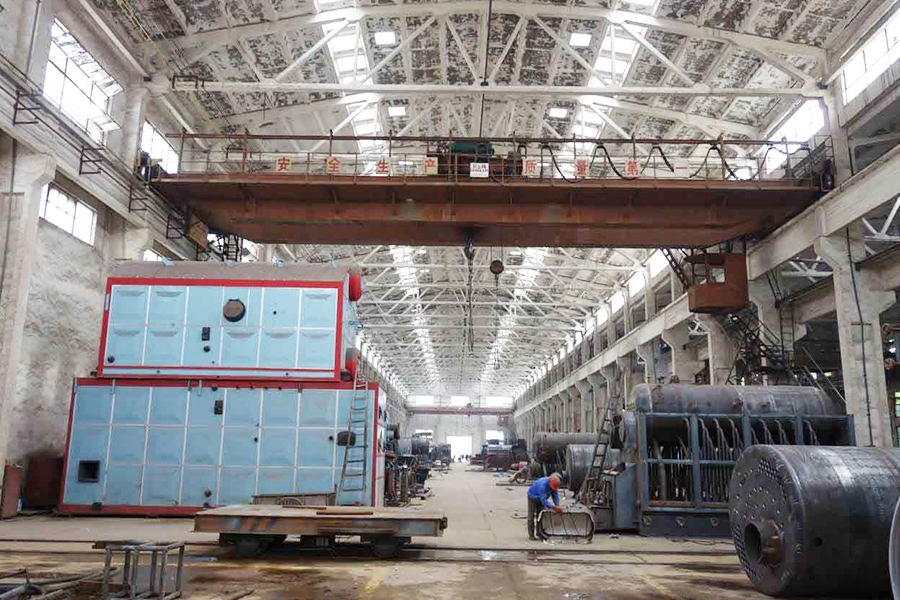
Sudden spikes in heater temperature usually result from mechanical or operational issues rather than the fluid itself. Common causes include:
Understanding these factors allows operators to troubleshoot quickly and prevent damage.
Modern gas and oil thermal fluid heaters incorporate multiple features to reduce the risk of sudden temperature rises:
These design improvements make it possible for heaters to respond dynamically to changes in fuel quality, flow rate, and thermal load.
Routine operation and maintenance practices play a significant role in avoiding temperature spikes:
Consistent attention to these practices reduces the likelihood of sudden temperature excursions and improves overall heater longevity.
An asphalt production facility experienced sudden overheating in a 2 MW gas thermal fluid heater. Engineers identified multiple contributing factors:
Corrective actions included cleaning the heater coils, replacing degraded fluid, repairing the pump, and installing redundant temperature sensors. After adjustments, the system returned to stable operation without overheating.
Gas and oil thermal fluid heaters can experience sudden overheating due to a combination of mechanical, operational, and fluid-related factors. Key considerations include pump performance, flow path cleanliness, fuel regulation, and control system accuracy. Modern heater designs with serpentine coils, sensors, and automatic flow regulation improve resilience against temperature spikes. Routine maintenance and vigilant monitoring of fluid properties and mechanical components are essential to ensure safe and reliable operation. Proper attention to these elements minimizes the risk of overheating and supports consistent industrial heating performance.
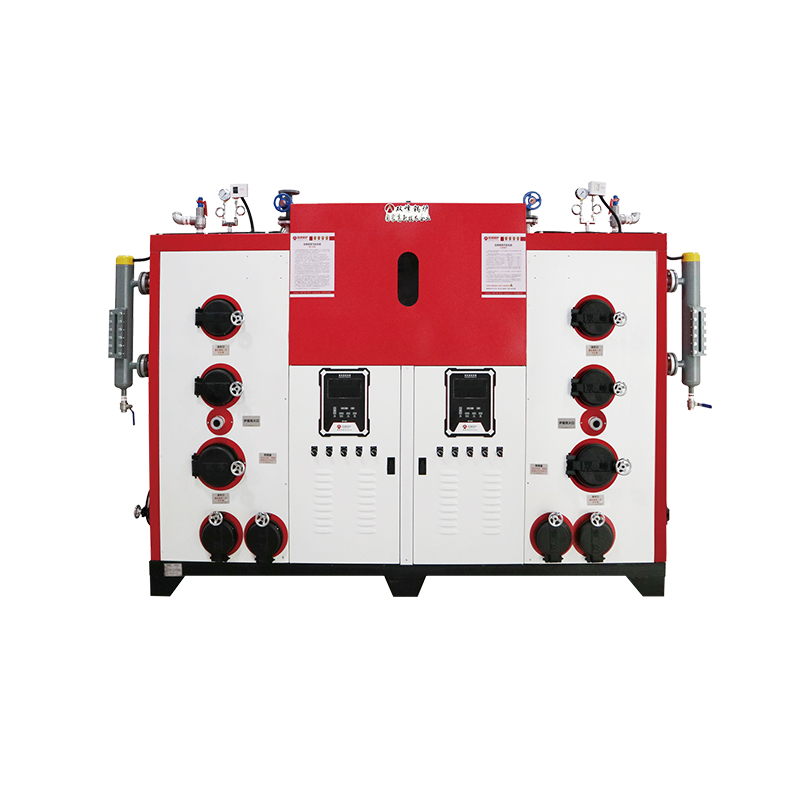
Product Introduction and FeatureThe SFeng LHG-s series biomass coal fired steam generator is a semi-...
See Details
Product Introduction and FeatureThe SFeng DZG Series solid fuel biomass/coal fired steam boiler has ...
See Details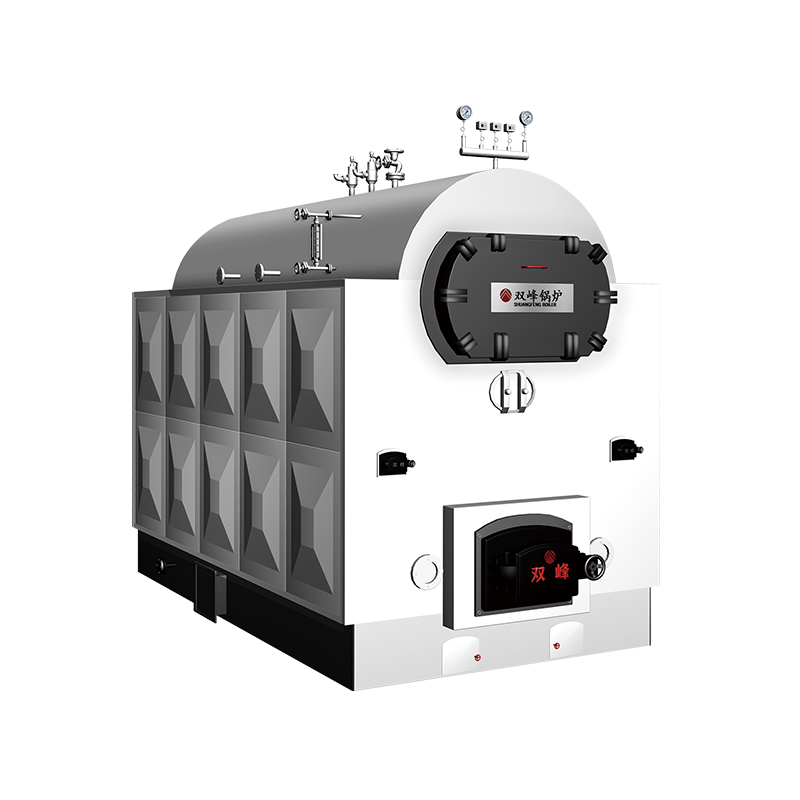
Product Introduction and FeatureDZG structure coal-fired steam boiler features a compact and single-...
See Details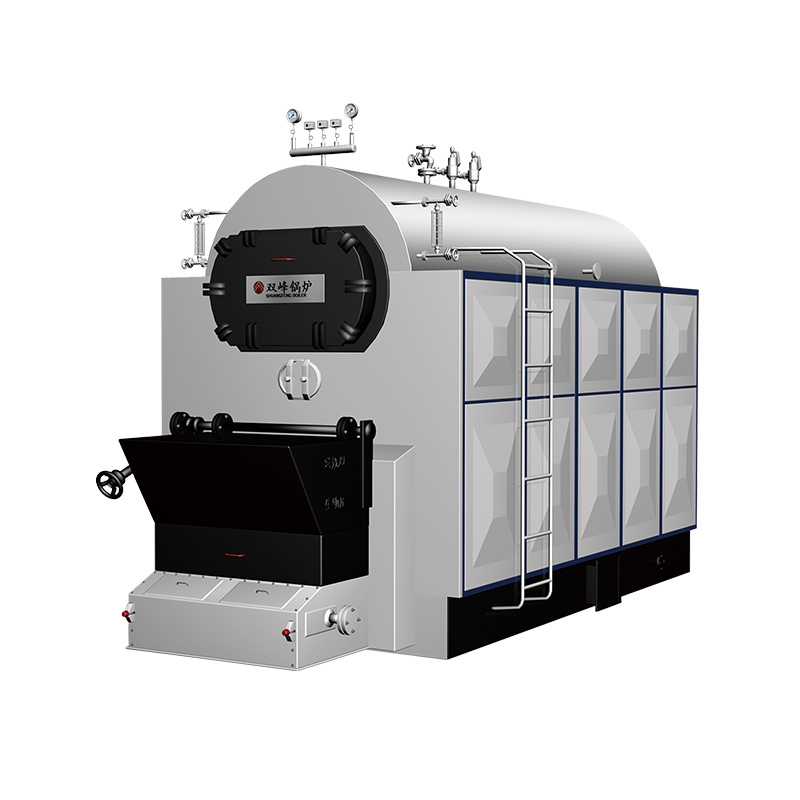
Product Introduction and FeatureThe DZL-S energy-saving and environmentally friendly steam boiler is...
See Details
Product Introduction and FeatureSZI-S type energy-saving and environmentally friendly steam boiler i...
See Details
+86-17757929999

.png)
No. 150 Zhenxing Road, Jinhua, Zhejiang, China

With seven decades of expertise in energy-efficient and eco-friendly thermal equipment including steam boilers, steam generators, and pressure vessels, we operate as a nationally recognized high-tech enterprise offering integrated solutions from R&D and design to manufacturing, installation, maintenance, retrofitting, and after-sales service.
Copyright Zhejiang Shuangfeng Boiler Manufacturing Co., Ltd. All Rights Reserved.

Wuyi Generator Factory