
 ไทย
ไทย
+86-17757929999

Product Search
Biomass steam boilers have become an increasingly popular solution for industrial and commercial heating. They offer an alternative to fossil fuel systems and are valued for their use of renewable energy sources such as wood chips, pellets, and crop residues. However, performance can vary significantly depending on the quality and type of fuel supplied. Understanding how biomass boilers respond to fuel variation is crucial to ensure reliable operation and consistent steam output.
Biomass boilers can utilize a wide range of fuels, each with distinct properties:
Understanding the differences in energy content, ash production, and moisture level is essential. Biomass boilers are designed to handle a degree of variability, but extreme fluctuations may affect performance and operational safety.
Moisture in fuel is a critical factor for biomass steam boilers. Higher moisture reduces the calorific value of the fuel, requiring more material to produce the same amount of steam. Additionally, excess moisture can:
Monitoring fuel moisture and adjusting boiler operation accordingly is a practical approach to maintain stable steam output.
Modern biomass boilers incorporate design features to tolerate fuel diversity:
These adaptations ensure that boilers maintain efficiency and safety despite changes in fuel characteristics.
Daily operation also influences how well a biomass steam boiler handles fuel variability:
Operators who actively track and adjust for fuel variation can significantly reduce downtime and maintain stable steam output.
A commercial biomass steam boiler operating in a distillery experienced inconsistent steam generation. The facility switched between wood pellets and corn stalk residues depending on availability. Engineers found that:
This example demonstrates that proper operational strategies can compensate for fuel differences without compromising steam quality.
Biomass steam boilers are capable of handling a range of fuel types, but consistent performance depends on both equipment design and operational practices. Key factors include fuel moisture, particle size, ash content, and combustion control. Advanced features such as adjustable air supply, automatic feeders, and integrated control panels significantly enhance adaptability. Operators who actively monitor fuel quality and maintain equipment can achieve reliable steam output even with variable biomass fuels. Understanding these dynamics ensures that biomass boilers provide a sustainable and dependable source of industrial heat.
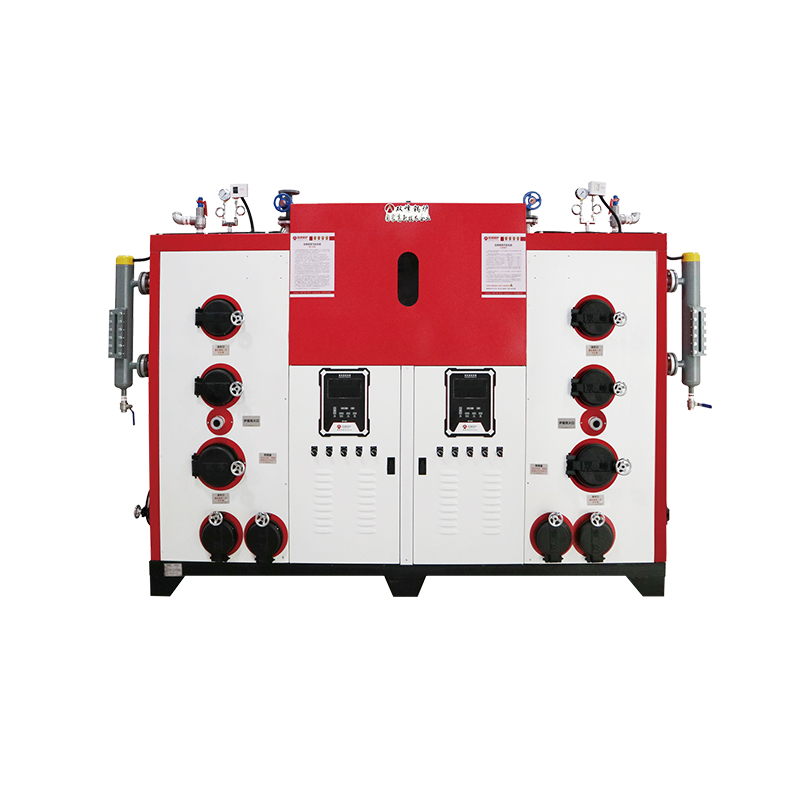
Product Introduction and FeatureThe SFeng LHG-s series biomass coal fired steam generator is a semi-...
See Details
Product Introduction and FeatureThe SFeng DZG Series solid fuel biomass/coal fired steam boiler has ...
See Details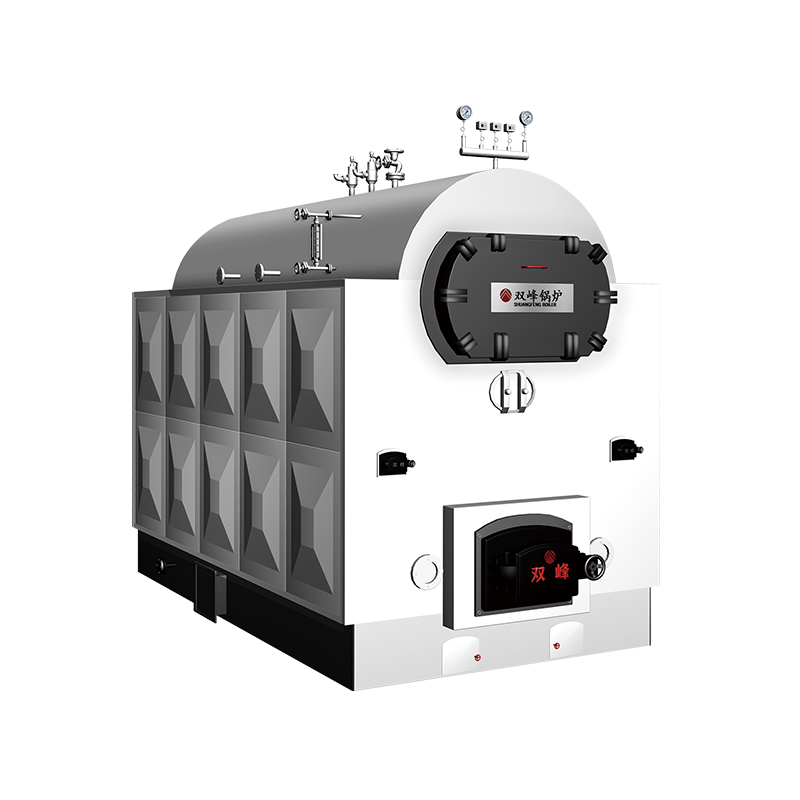
Product Introduction and FeatureDZG structure coal-fired steam boiler features a compact and single-...
See Details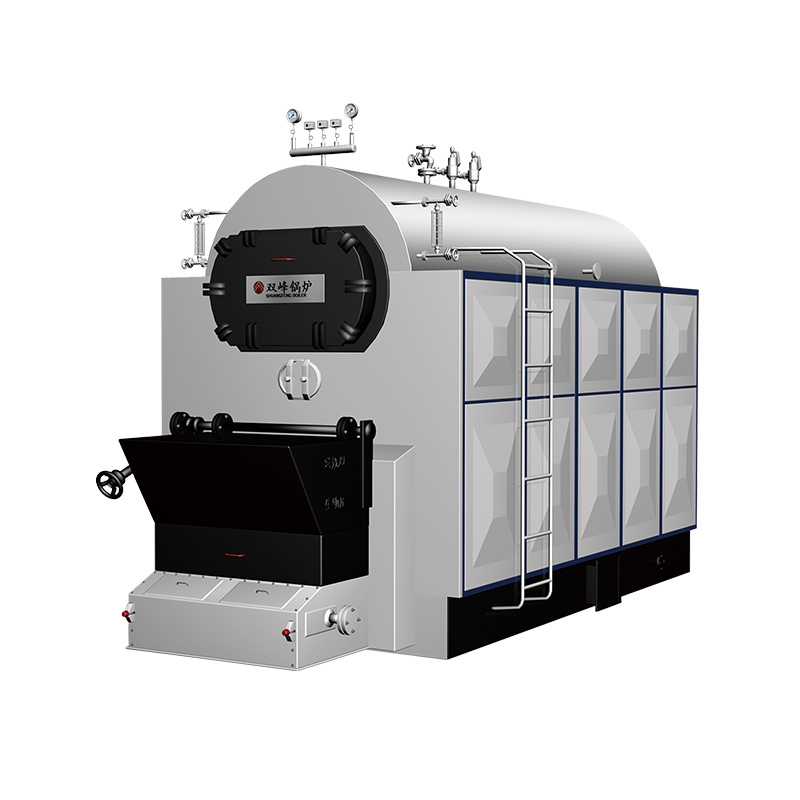
Product Introduction and FeatureThe DZL-S energy-saving and environmentally friendly steam boiler is...
See Details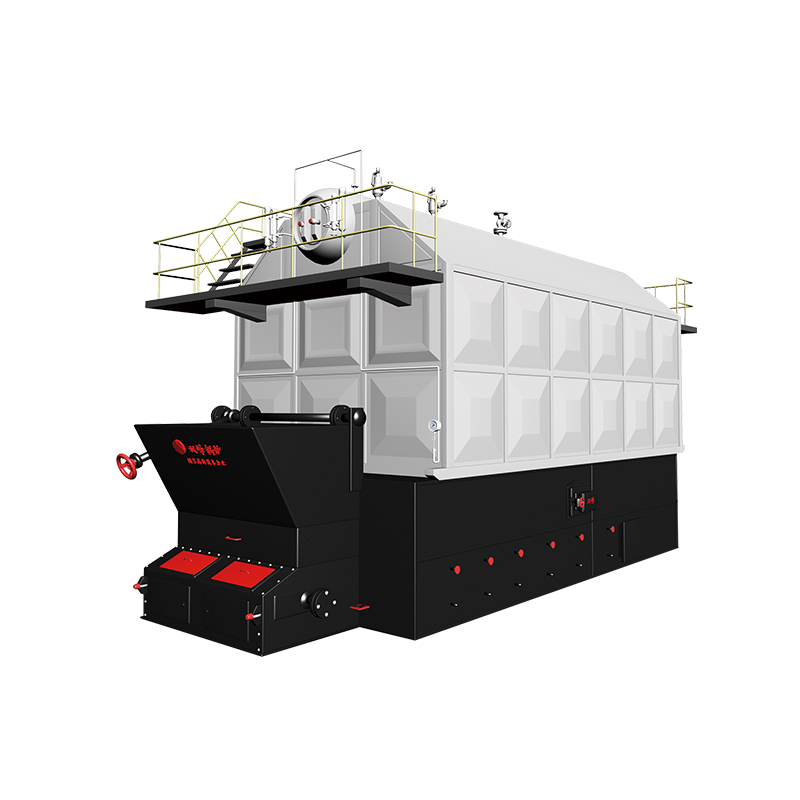
Product Introduction and FeatureSZI-S type energy-saving and environmentally friendly steam boiler i...
See Details
+86-17757929999

.png)
No. 150 Zhenxing Road, Jinhua, Zhejiang, China

With seven decades of expertise in energy-efficient and eco-friendly thermal equipment including steam boilers, steam generators, and pressure vessels, we operate as a nationally recognized high-tech enterprise offering integrated solutions from R&D and design to manufacturing, installation, maintenance, retrofitting, and after-sales service.
Copyright Zhejiang Shuangfeng Boiler Manufacturing Co., Ltd. All Rights Reserved.

Wuyi Generator Factory