
 ไทย
ไทย
+86-17757929999

Product Search
Gas/Oil Steam Generator offers a versatile approach to producing reliable steam for industrial and commercial processes. Operators often face challenges when attempting to match the generator’s capacity to smaller load requirements. Achieving stable steam output with low demand requires careful consideration of generator design, operational strategies, and fuel characteristics. Understanding these factors helps prevent inefficiencies, overheating, and excessive fuel consumption.
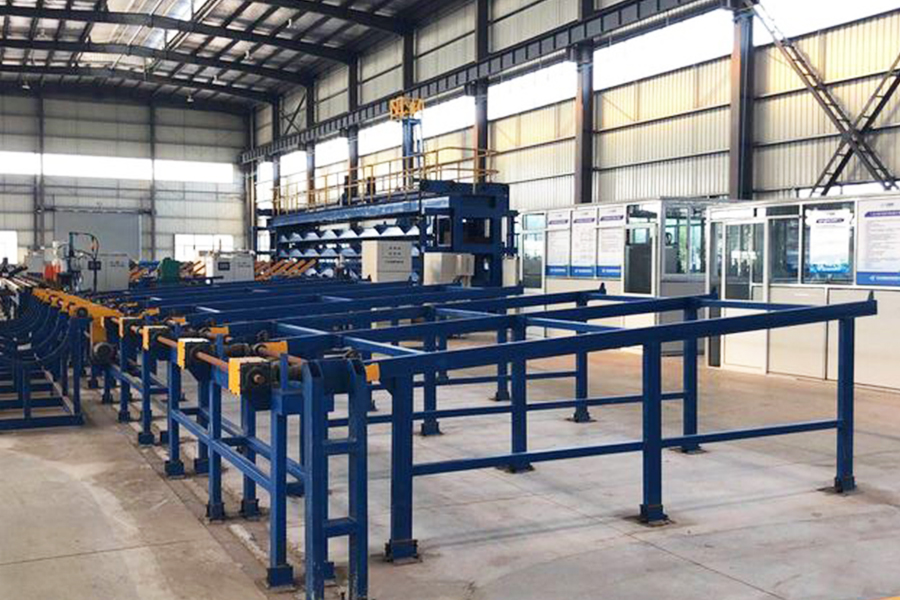
Operating a steam generator below its rated capacity can create specific difficulties:
Addressing these challenges requires understanding both the mechanical design and the operational limits of the system.
Modern gas and oil steam generators incorporate features to improve performance at small loads:
These design elements allow generators to maintain reliability and efficiency, even when the steam demand is significantly below maximum capacity.
The type and quality of fuel directly affect small-load operation:
Operators must monitor fuel viscosity, temperature, and pressure to ensure consistent steam generation and avoid carbon buildup or flame instability.
Proper operation plays a critical role in maintaining stability under low-demand conditions:
Following these practices can help avoid frequent cycling, uneven heat distribution, and excessive fuel use.
A small-scale food processing plant operated a 1.5 MW oil-fired steam generator. Daily steam demand varied widely, often below 20% of rated capacity. Engineers implemented the following adjustments:
The generator successfully met production needs while maintaining efficiency and minimizing wear on system components.
Gas and oil steam generators can operate effectively at small loads if the system design and operational practices are aligned with demand. Key factors include modulating burners, control systems, fuel quality, and use of buffer storage. Proper monitoring, maintenance, and gradual load adjustments help reduce stress on the generator and maintain stable steam pressure. Understanding these considerations ensures reliable performance for processes with variable or low steam requirements, preventing overheating and inefficiencies.
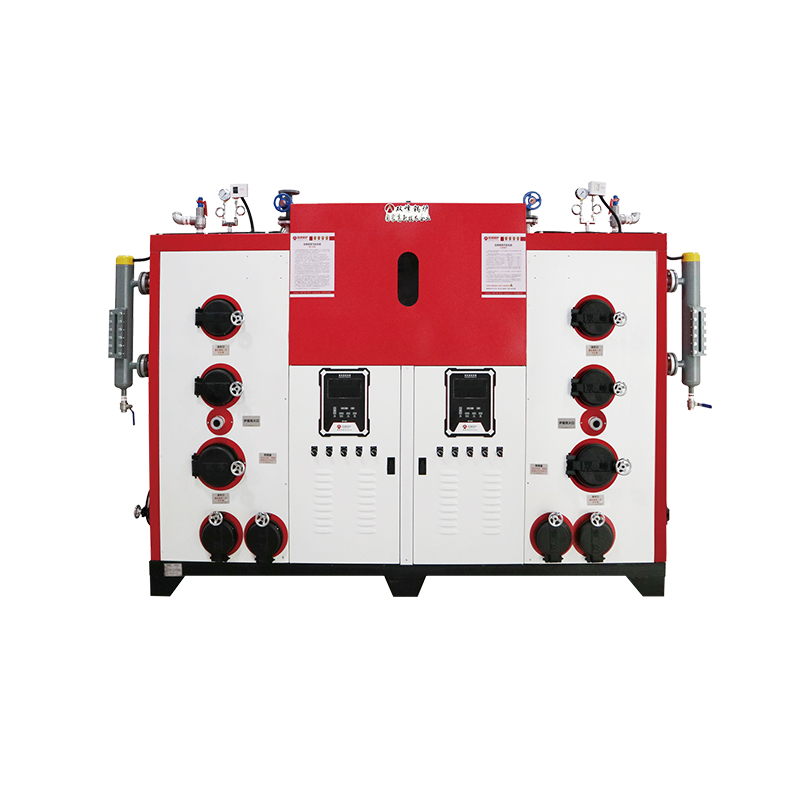
Product Introduction and FeatureThe SFeng LHG-s series biomass coal fired steam generator is a semi-...
See Details
Product Introduction and FeatureThe SFeng DZG Series solid fuel biomass/coal fired steam boiler has ...
See Details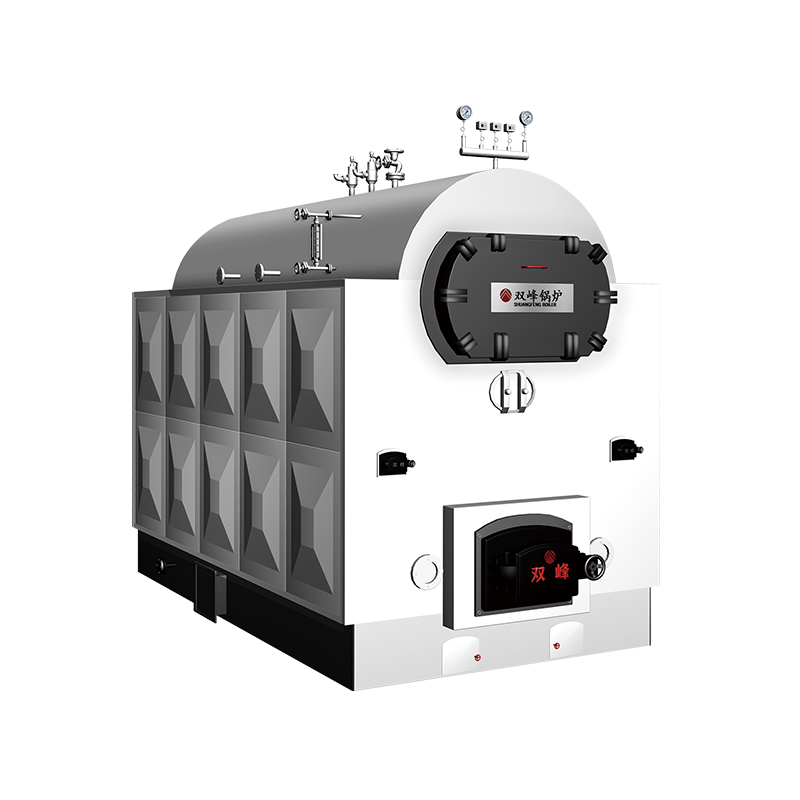
Product Introduction and FeatureDZG structure coal-fired steam boiler features a compact and single-...
See Details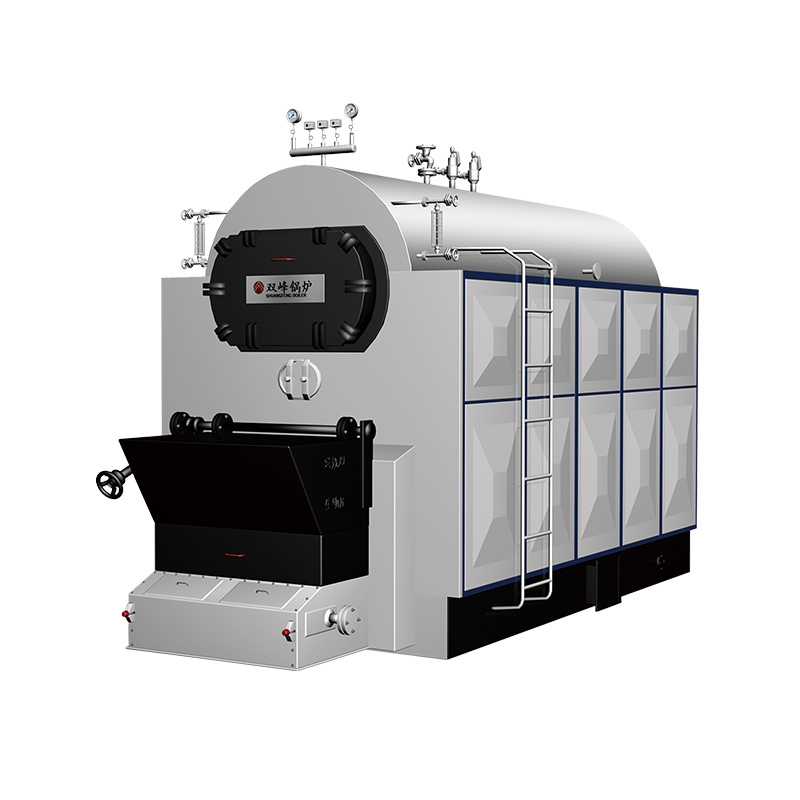
Product Introduction and FeatureThe DZL-S energy-saving and environmentally friendly steam boiler is...
See Details
Product Introduction and FeatureSZI-S type energy-saving and environmentally friendly steam boiler i...
See Details
+86-17757929999

.png)
No. 150 Zhenxing Road, Jinhua, Zhejiang, China

With seven decades of expertise in energy-efficient and eco-friendly thermal equipment including steam boilers, steam generators, and pressure vessels, we operate as a nationally recognized high-tech enterprise offering integrated solutions from R&D and design to manufacturing, installation, maintenance, retrofitting, and after-sales service.
Copyright Zhejiang Shuangfeng Boiler Manufacturing Co., Ltd. All Rights Reserved.

Wuyi Generator Factory