
 ไทย
ไทย
+86-17757929999

Product Search
Industrial heating systems powered by biomass fuels often face operational questions related to pressure consistency. A biomass hot boiler heater is expected to deliver steady steam or hot water output, yet fluctuations in pressure sometimes appear during real operation. These variations are rarely caused by a single factor. Instead, they usually come from a combination of combustion behavior, fuel quality changes, heat transfer conditions, and control response delays.
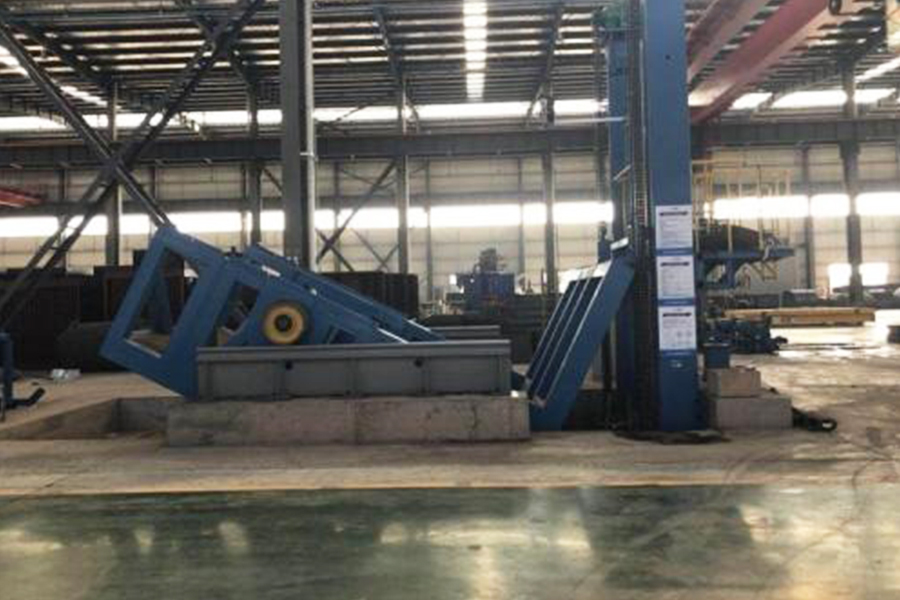
Pressure stability inside a biomass boiler depends directly on how consistently heat is generated in the furnace. Biomass fuel does not burn at a uniform rate like natural gas or refined oil, so the energy release tends to vary.
Even small variations in combustion behavior can translate into noticeable pressure changes in the steam drum or hot water circuit.
Fuel characteristics play a major role in determining whether a biomass hot boiler heater maintains stable pressure output. Unlike uniform fossil fuels, biomass materials vary significantly in structure and energy value.
Fuel inconsistency is one of the most common contributors to unstable pressure behavior in biomass-based heating systems.
Even with stable combustion, pressure fluctuations can still occur if heat transfer inside the boiler is not uniform. Deposits, fouling, or uneven flow patterns can reduce efficiency in specific zones.
These issues reduce the system’s ability to respond quickly to load changes, which may appear as pressure instability.
Modern biomass hot boiler heaters rely on automated control systems to maintain stable operating conditions. However, control accuracy depends on sensor quality, calibration, and system responsiveness.
Well-calibrated automation reduces instability, but cannot fully eliminate fluctuations caused by fuel and combustion variability.
Pressure stability is also influenced by how the boiler is operated under changing demand conditions. Biomass systems respond differently compared to gas or oil-fired units.
Stable operation is easier to achieve under steady load conditions rather than fluctuating demand patterns.
The structural design of a biomass hot boiler heater also plays a major role in how well it maintains pressure stability under real operating conditions.
Advanced designs with improved circulation and larger thermal buffering capacity tend to show more stable pressure behavior.
A manufacturing facility using a 6-ton biomass hot boiler heater experienced repeated pressure fluctuations during daily production cycles. Investigation revealed multiple contributing factors.
After improving fuel preprocessing, cleaning heat transfer surfaces, and recalibrating the control system, pressure variation was significantly reduced and stabilized within a narrow operating range.
A biomass hot boiler heater may experience unstable pressure, but the issue is rarely caused by the equipment alone. Variations in fuel quality, combustion behavior, heat transfer efficiency, and control system response all contribute to pressure fluctuations. System design and operational patterns further influence stability, especially under variable load conditions. With proper fuel preparation, regular cleaning, and well-tuned automation, pressure consistency can be significantly improved, allowing the boiler to maintain reliable thermal output across different working scenarios.
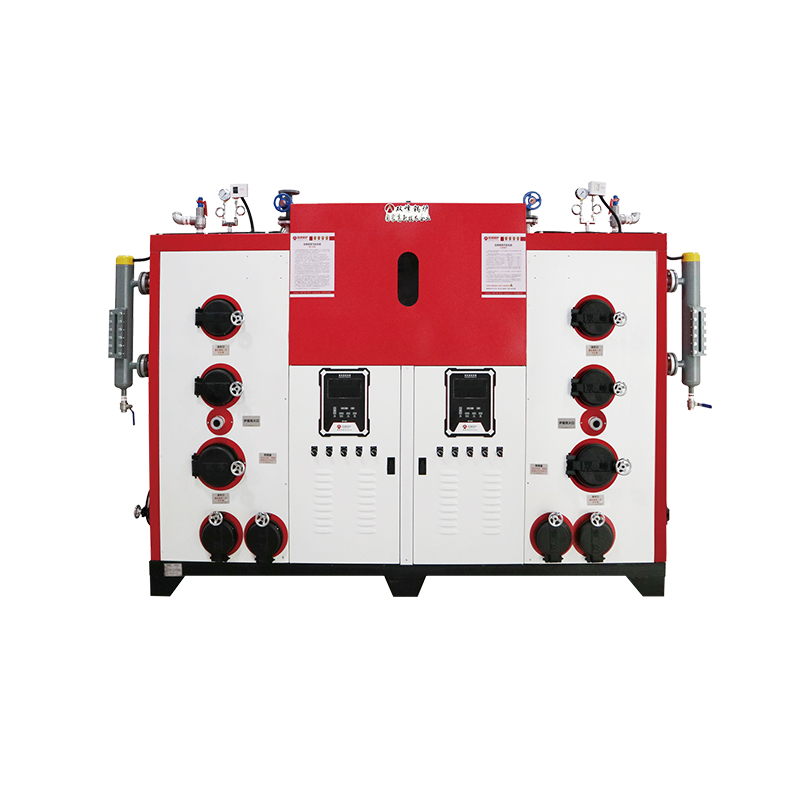
Product Introduction and FeatureThe SFeng LHG-s series biomass coal fired steam generator is a semi-...
See Details
Product Introduction and FeatureThe SFeng DZG Series solid fuel biomass/coal fired steam boiler has ...
See Details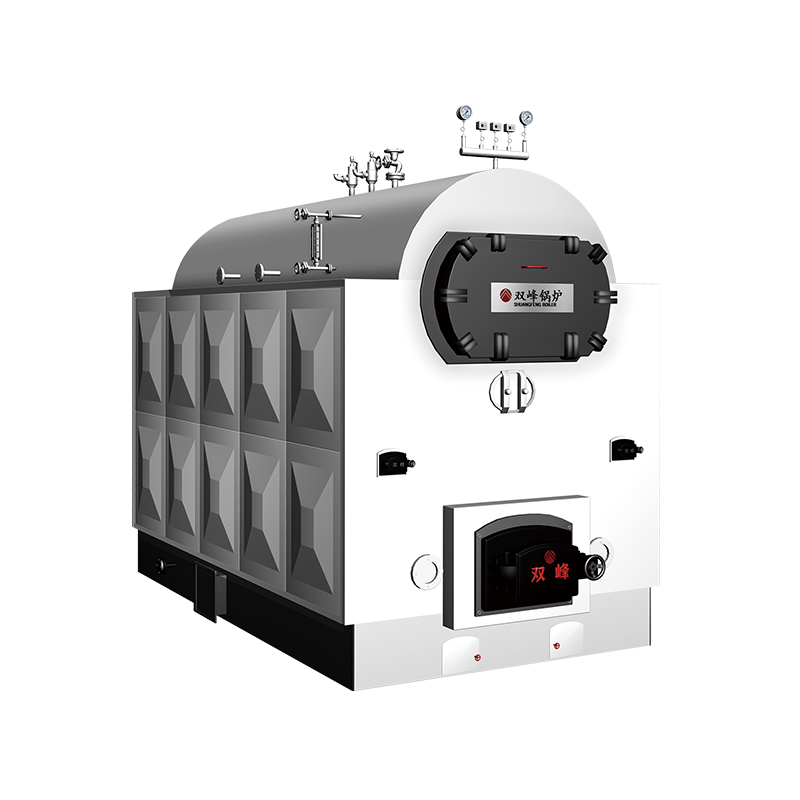
Product Introduction and FeatureDZG structure coal-fired steam boiler features a compact and single-...
See Details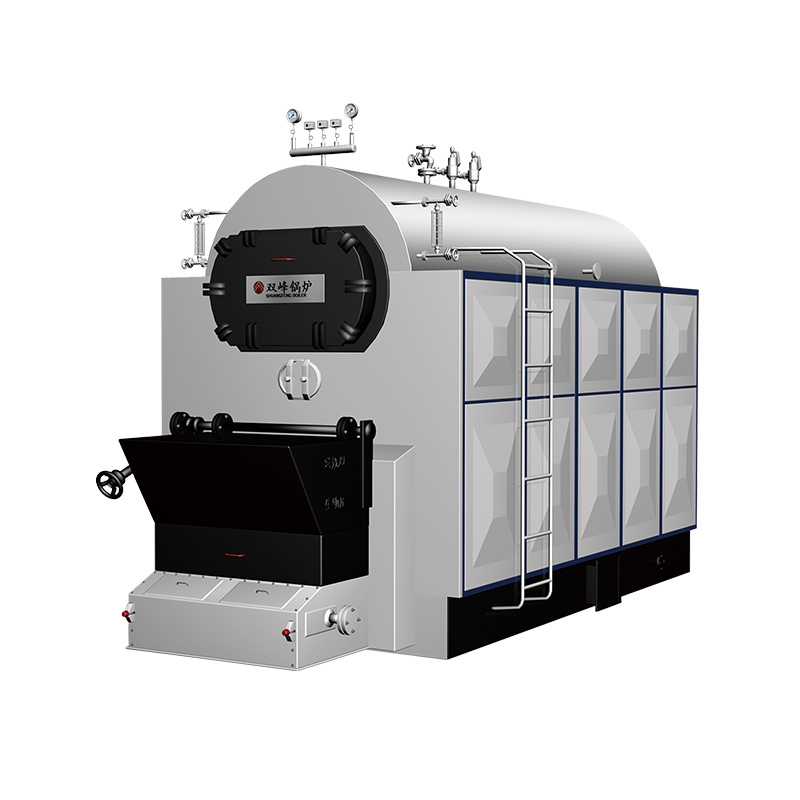
Product Introduction and FeatureThe DZL-S energy-saving and environmentally friendly steam boiler is...
See Details
Product Introduction and FeatureSZI-S type energy-saving and environmentally friendly steam boiler i...
See Details
+86-17757929999

.png)
No. 150 Zhenxing Road, Jinhua, Zhejiang, China

With seven decades of expertise in energy-efficient and eco-friendly thermal equipment including steam boilers, steam generators, and pressure vessels, we operate as a nationally recognized high-tech enterprise offering integrated solutions from R&D and design to manufacturing, installation, maintenance, retrofitting, and after-sales service.
Copyright Zhejiang Shuangfeng Boiler Manufacturing Co., Ltd. All Rights Reserved.

Wuyi Generator Factory