
 ไทย
ไทย
+86-17757929999

Product Search
A Solid Fuel Steam Boiler or Biomass Steam Boiler can be an efficient and sustainable choice for industrial steam generation, especially when powered by agricultural residues, wood chips, or pelletized biomass. Yet, operators and plant engineers regularly encounter a set of real-world challenges that affect performance, maintenance costs, and operational reliability.
Zhejiang Shuangfeng Boiler Manufacturing Co., Ltd. has engaged with customers worldwide and documented several recurring concerns, ranging from fuel variability to combustion irregularities and component wear. Below are five core challenges that users commonly face.
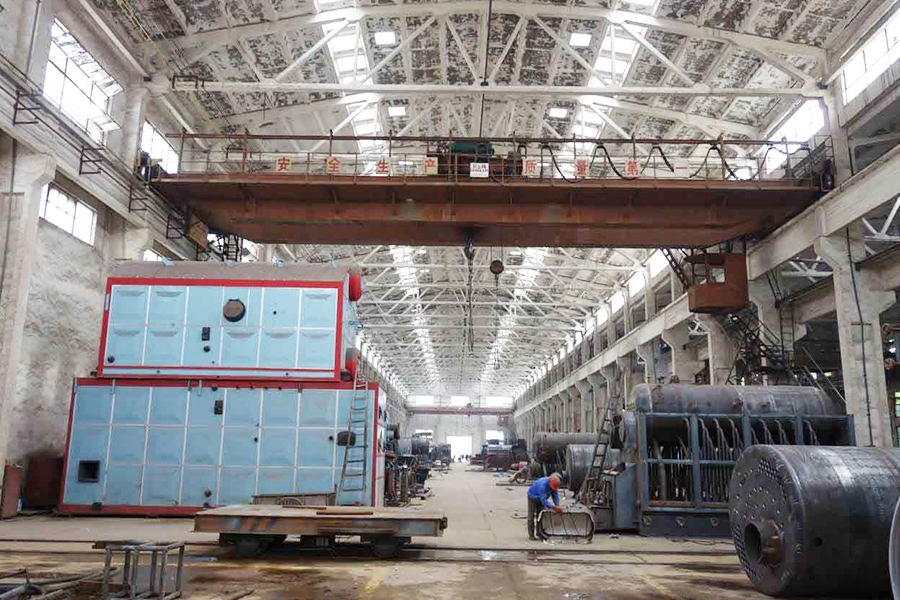
1. Fuel Quality Variability and Combustion Instabilities
Fuel inconsistency is one of the primary operational difficulties with solid fuels. Biomass feedstocks vary significantly in moisture content, density, and chemical composition — especially with agricultural wastes like straw, rice husk, or softwood chips. These differences affect how readily the fuel ignites, how completely it burns, and how much ash is produced.
Operators often report:
Higher than expected moisture leads to unstable combustion and flame extinction.
Inconsistent particle sizes can cause irregular feeding and premature fuel dropout.
Differences in volatile matter content alter combustion temperature profiles.
These factors make it hard to maintain steady furnace temperature and consistent steam output, demanding frequent adjustments by operators or automated systems.
2. Ash, Slagging, and Fouling Inside the Furnace
A significant challenge with both biomass and solid fuels is how ash behaves during combustion. When ash contains low-melting compounds like potassium and silica, it can soften or fuse into sticky deposits upon contact with hot surfaces. Slag and fouling deposits build up on furnace walls and heat exchanger tubes, reducing heat transfer efficiency and increasing maintenance needs.
Typical issues include:
Slagging: Ash melts and adheres to the hottest parts of the boiler, creating hard crusts.
Fouling: Fine particles cling to tubes and reduce steam generation efficiency.
Uneven ash fusion: Variations in ash fusion temperatures cause unpredictable deposit patterns.
These deposits slow steam production, increase fuel consumption, and sometimes force unscheduled shutdowns for cleaning. Regular soot-blowing and ash removal routines are crucial to mitigate such buildup.
3. High-Temperature Corrosion and Wear of Boiler Components
The chemical nature of biomass ash doesn’t just cause deposits — it can accelerate corrosion and material degradation in high-temperature zones of the boiler. Alkali salts and chlorides produced during biomass combustion react with furnace walls, superheaters, and other pressure parts, leading to accelerated wear and pitting.
Effects include:
Hot spots where protective oxide layers are eroded.
Enhanced wear on superheater tubes, reducing component lifespan.
Frequent replacement or coating of critical parts.
This corrosion stress demands careful selection of corrosion-resistant alloys and regular inspection cycles to detect early deterioration.
4. Ash Handling and Maintenance Burden
Solid fuel systems inherently produce more combustion residues than gas or liquid fuels, which means maintenance schedules need to reflect this reality. Frequent ash removal, clinkering removal, and inspection of grates or cyclonic separators are part of day-to-day boiler upkeep.
Practical implications include:
Labor and downtime for cleaning ash bins and hopper areas.
Wear on mechanical conveyors and ash handling screws.
Additional costs for ash disposal or recycling programs.
Keeping ash handling systems optimized — including the use of mechanical sootblowers or ash coolers — becomes vital to sustained operation.
5. Operational Training and System Control Complexity
Unlike fossil-fuel fired boilers with relatively predictable fuel behavior, Biomass Steam Boiler systems require more hands-on control and system understanding. Operators need to:
Monitor and balance air-fuel ratios dynamically.
Adjust feed rates to match real-time steam demand.
Diagnose combustion anomalies quickly to prevent clinkering or flame failure.
Training personnel and implementing advanced combustion control systems help reduce variability, but intelligent control demands greater expertise and sometimes additional instrumentation.
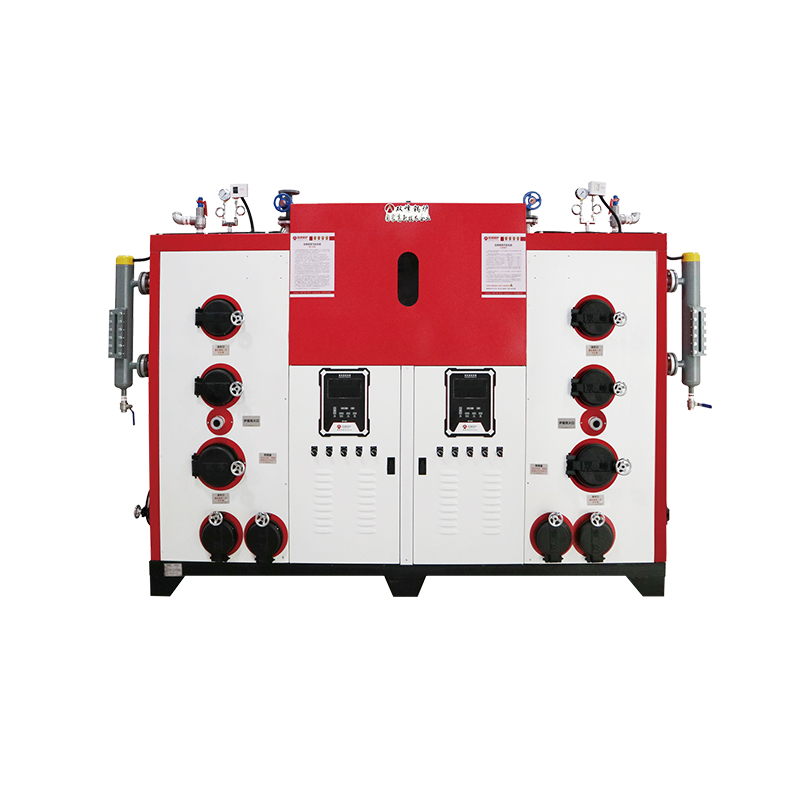
Product Introduction and FeatureThe SFeng LHG-s series biomass coal fired steam generator is a semi-...
See Details
Product Introduction and FeatureThe SFeng DZG Series solid fuel biomass/coal fired steam boiler has ...
See Details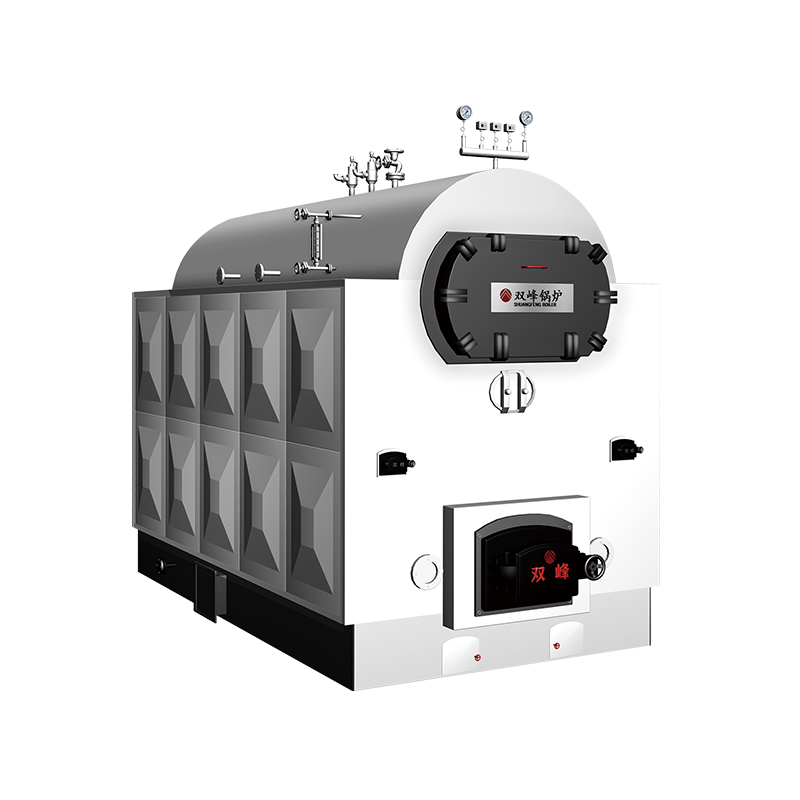
Product Introduction and FeatureDZG structure coal-fired steam boiler features a compact and single-...
See Details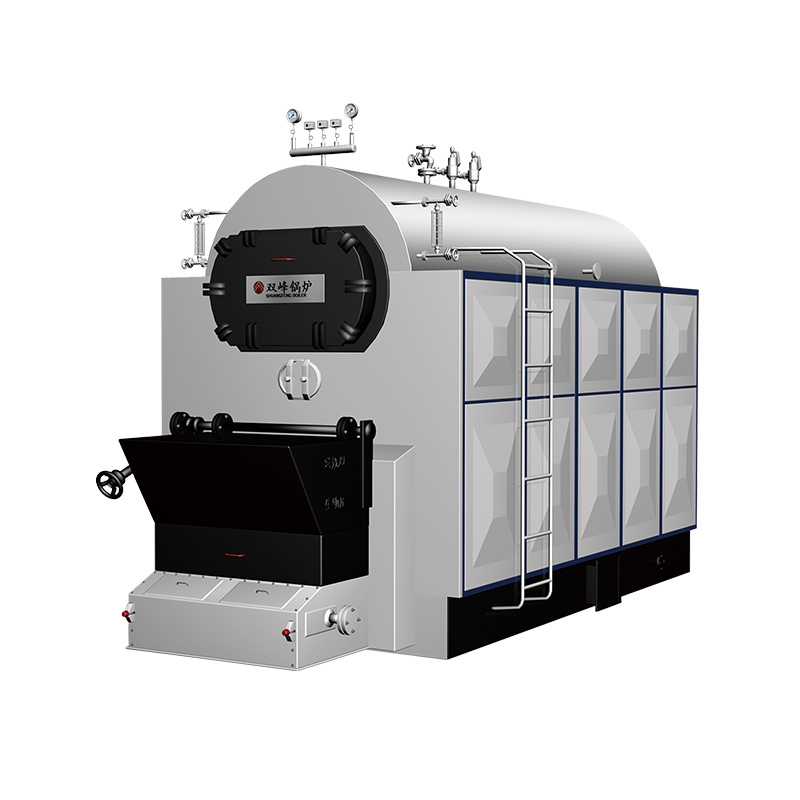
Product Introduction and FeatureThe DZL-S energy-saving and environmentally friendly steam boiler is...
See Details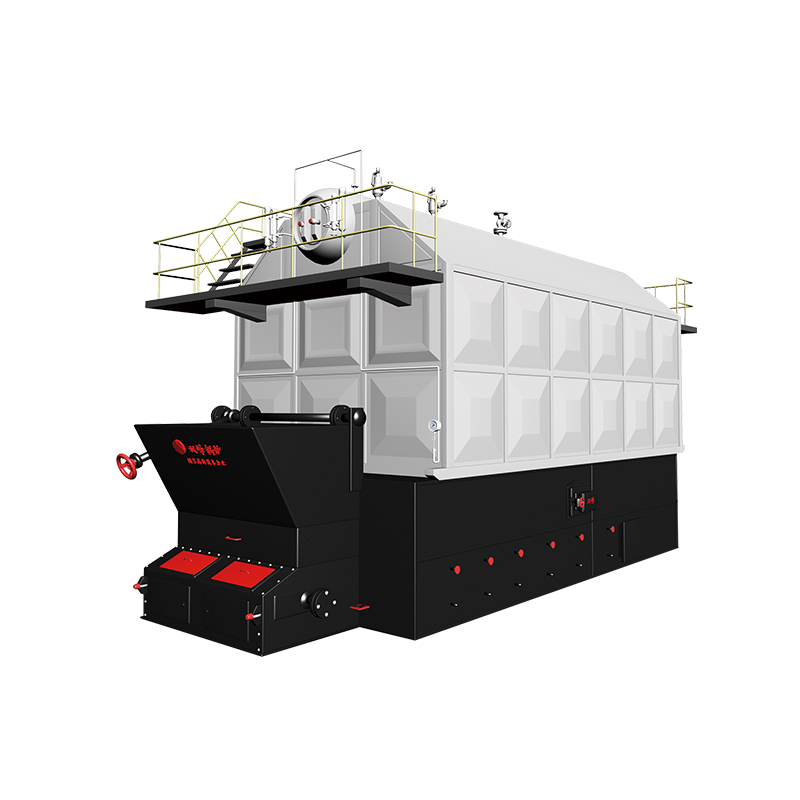
Product Introduction and FeatureSZI-S type energy-saving and environmentally friendly steam boiler i...
See Details
+86-17757929999

.png)
No. 150 Zhenxing Road, Jinhua, Zhejiang, China

With seven decades of expertise in energy-efficient and eco-friendly thermal equipment including steam boilers, steam generators, and pressure vessels, we operate as a nationally recognized high-tech enterprise offering integrated solutions from R&D and design to manufacturing, installation, maintenance, retrofitting, and after-sales service.
Copyright Zhejiang Shuangfeng Boiler Manufacturing Co., Ltd. All Rights Reserved.

Wuyi Generator Factory