
 ไทย
ไทย
+86-17757929999

Product Search
Ash accumulation inside a Biomass Steam Boiler or a Solid Fuel Steam Boiler is more than just a nuisance — it can seriously reduce thermal efficiency, impede flue gas flow, and shorten component lifespan. Boiler operators frequently report that unattended ash deposits contribute to unplanned shutdowns, corrosion problems, and excessive maintenance cycles. Understanding effective ash prevention strategies makes regular operations more predictable and cost-efficient.
What Causes Ash to Build Up?
Ash buildup results when combustion by-products and particulate matter settle on heat transfer surfaces or within the flue system. Residues from biomass fuels often contain significant quantities of alkali metals like potassium and sodium, which form low-melting compounds that readily adhere to surfaces at elevated temperatures. These sticky ash particles then form deposits that reduce heat transfer and obstruct gas flow.
1. Choose Appropriate Fuel and Monitor Its Properties
Particle behavior during combustion plays a fundamental role in ash formation:
High ash content fuels generate larger volumes of residue that are prone to deposition.
Chemical composition matters: ash rich in KCl and alkali compounds tends to soften or melt at combustion temperatures (~700–900 °C) and bond strongly to tube surfaces.
Consistent fuel properties help maintain predictable combustion and ash behavior.
Even within biomass fuels, differences in feedstock can change ash characteristics dramatically, so operators should assess fuel quality and adjust feeding protocols accordingly.
2. Maintain Proper Combustion Conditions
Combustion dynamics influence how much particulate matter travels into heat exchange areas:
Too low combustion temperature contributes to incomplete fuel burning and spa rs fly ash formation.
Fluctuations in furnace temperature or poor air-fuel mixing create unburned carbon fragments that later stick to surfaces.
Stable combustion with correct air ratios reduces soot and ash generation at source.
Well-controlled combustion is one of the more reliable paths to limiting internal ash deposits inside industrial boilers.
3. Optimize Boiler Design for Ash Resistance
Certain structural features help reduce ash buildup opportunities:
Smooth, properly spaced heat exchanger tubes minimize areas where particles can settle.
Avoiding sharp angles or dead zones in flue paths helps sustain consistent gas velocities and lowers dust drop-out.
Mechanical features like effective soot blowers, cyclonic separators or staged heat exchangers can clean ash before it adheres.
Good boiler design doesn’t eliminate ash — but it controls where ash goes and how easily it can be removed.
4. Implement Regular Cleaning and Inspection Protocols
Daily ash removal and routine checks make a big difference:
Ash should be removed from furnace floors, grates, and hopper areas before it hardens.
Inspection of soot blowers, cyclones, and filters helps ensure cleaning systems are working properly.
Heat exchanger surfaces deserve frequent monitoring to catch early buildup before it affects efficiency.
Regular, systematic cleaning avoids hard deposits that are difficult to remove and prevents ash from ever becoming a major performance issue.
5. Use Additives and Treatment Agents Where Appropriate
In some cases, additives can alter ash behavior so it’s less likely to deposit:
Certain ash modifiers raise the ash softening temperature, reducing its tendency to stick.
Others create micro-fractures in deposits so they become more brittle and easier to dislodge with cleaning tools.
These methods help in complex industrial applications where ash characteristics vary or fuel mix is unpredictable.
Why Ash Prevention Matters
Ash buildup isn’t just a cleaning chore — it directly affects performance and costs:
Loss of heat transfer efficiency increases fuel consumption.
Restricted flue flows make the boiler work harder and produce less steam per unit of fuel.
Severe deposits can even cause emergency shutdowns, risking production disruption.
Zhejiang Shuangfeng Boiler Manufacturing Co., Ltd. recommend combining proper fuel handling, intelligent design decisions, effective combustion control, and routine maintenance to reduce ash issues significantly and extend service life of steam boiler assets.
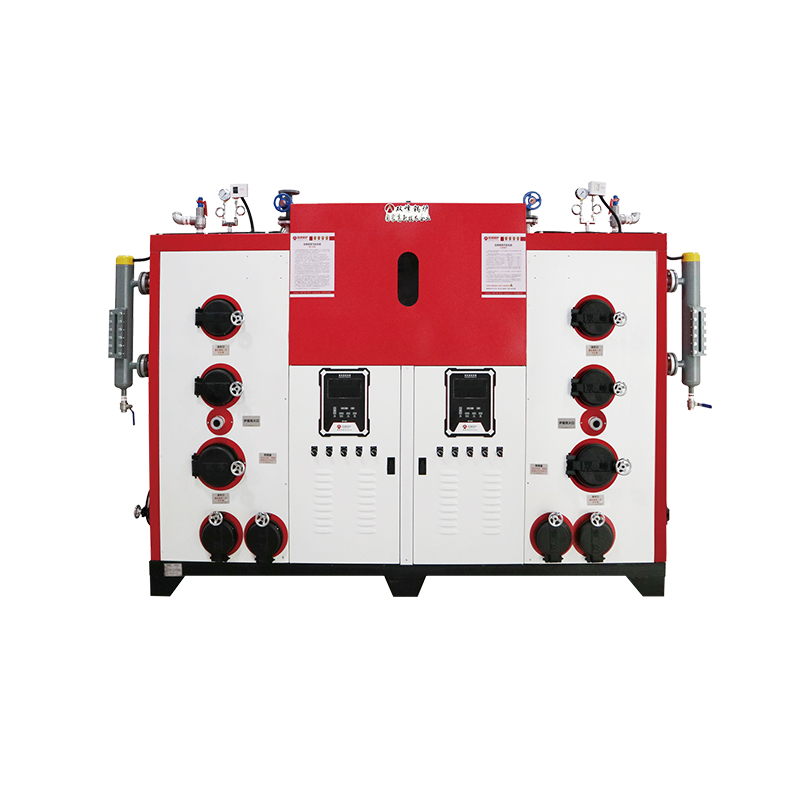
Product Introduction and FeatureThe SFeng LHG-s series biomass coal fired steam generator is a semi-...
See Details
Product Introduction and FeatureThe SFeng DZG Series solid fuel biomass/coal fired steam boiler has ...
See Details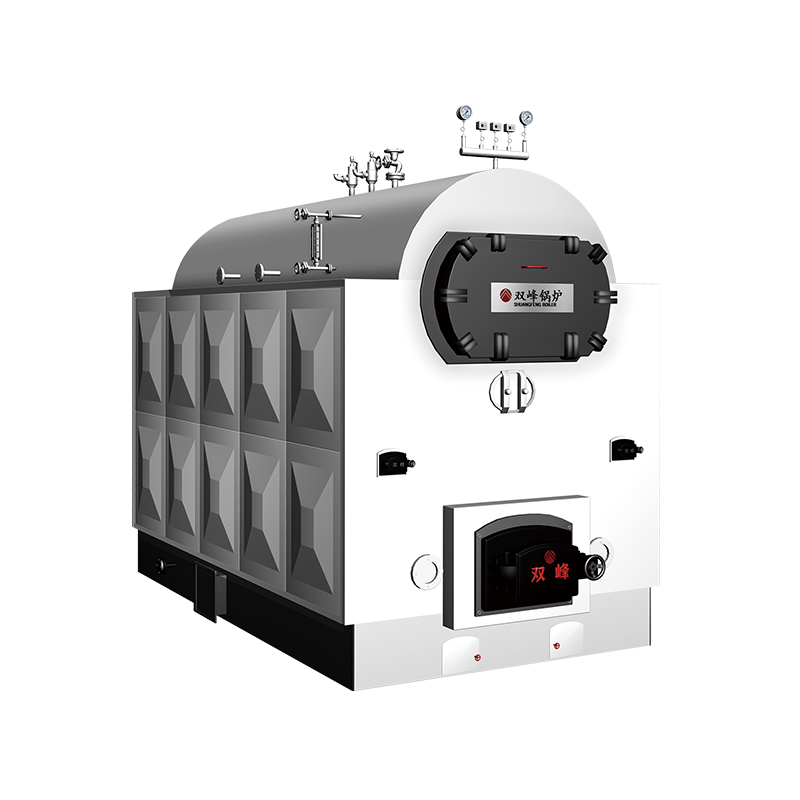
Product Introduction and FeatureDZG structure coal-fired steam boiler features a compact and single-...
See Details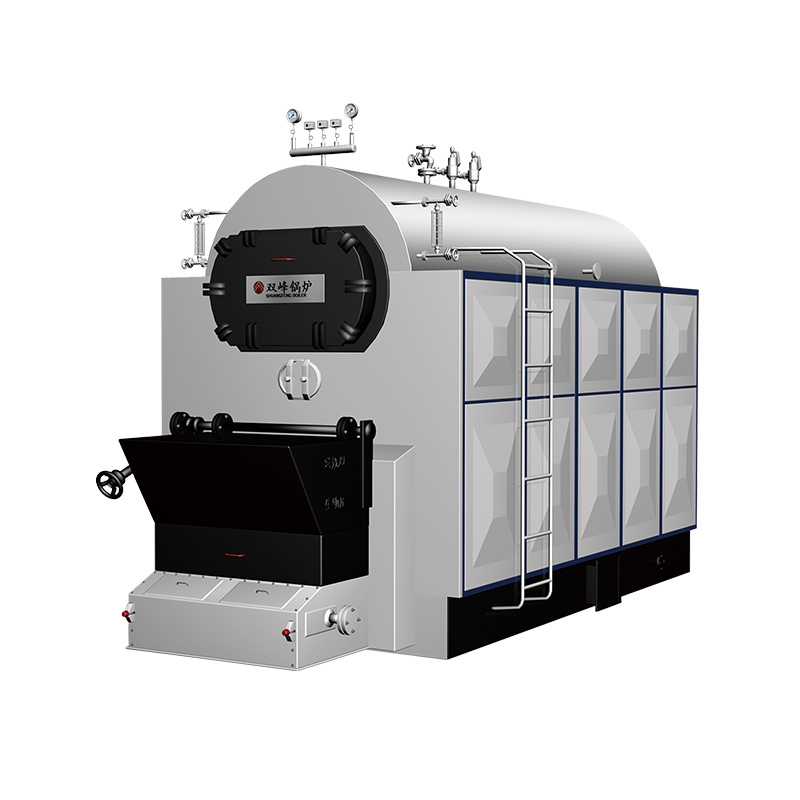
Product Introduction and FeatureThe DZL-S energy-saving and environmentally friendly steam boiler is...
See Details
Product Introduction and FeatureSZI-S type energy-saving and environmentally friendly steam boiler i...
See Details
+86-17757929999

.png)
No. 150 Zhenxing Road, Jinhua, Zhejiang, China

With seven decades of expertise in energy-efficient and eco-friendly thermal equipment including steam boilers, steam generators, and pressure vessels, we operate as a nationally recognized high-tech enterprise offering integrated solutions from R&D and design to manufacturing, installation, maintenance, retrofitting, and after-sales service.
Copyright Zhejiang Shuangfeng Boiler Manufacturing Co., Ltd. All Rights Reserved.

Wuyi Generator Factory