
 ไทย
ไทย
+86-17757929999

Product Search
Industrial operators often ask whether a Biomass Steam Boiler or Solid Fuel Steam Boiler can handle a wide range of biomass fuels — from wood chips and pellets to agricultural residues such as rice husks or straw. The short answer is yes, but it depends on both the boiler design and how the fuel variability is managed. Different biomass fuels have unique properties, and understanding how these variations affect combustion, heat transfer, emissions, and long-term operation can help plants achieve reliable performance and lower operating costs.
1. Why Fuel Variability Matters
Not all biomass fuels are created equal. Biomass feedstock can differ significantly in moisture content, calorific value (energy content), particle size, ash content, and chemical composition. These differences influence:
Combustion efficiency and flame stability
Heat transfer rates inside the boiler
Formation of ash, slag, and corrosive deposits
Emission profiles, including particulate matter and volatile compounds
Uneven fuel characteristics may cause fluctuations in steam pressure, increase fuel consumption, and elevate maintenance needs if not properly addressed.
2. Combustion Adjustments for Diverse Fuel Types
A common concern among facility managers is inconsistent combustion behavior when feeding variable biomass fuels. Boilers tuned for one type of fuel may not burn others with the same efficiency unless sufficient air control and feeding mechanisms are in place.
Challenges include:
High moisture fuels tend to absorb combustion heat and reduce flame temperature.
Low density, loose bulk biomass (like straw) can burn too quickly, leading to incomplete combustion.
Dense, high-calorific fuels like hardwood chips produce stronger flames but may require slower feeding.
A well-designed Solid Fuel Steam Boiler must allow adaptive control of fuel feed rate and air distribution to maintain stable combustion across diverse fuels.
3. Boiler Design Features That Improve Fuel Flexibility
Boiler manufacturers have developed design features that improve adaptability to variable biomass fuels:
Fluidized bed combustion (FBC) systems: These allow uniform mixing and more complete combustion of diverse fuels by suspending fuel particles in a bed of inert material. This design tolerates variations in fuel moisture and size better than traditional grate-based systems.
Adaptive grate systems: Chain or reciprocating grates can move and mix fuel consistently, improving combustion for irregular biomass.
Enhanced air staging and control systems help maintain consistent oxygen levels and minimize unburned carbon.
These design elements help boilers handle different types of biomass with fewer adjustments to core equipment.
4. Handling Fuel-Related Emissions
Biomass fuels differ not just in energy content but also in emissions behavior:
Agricultural residues often emit higher particulate matter (PM) due to fine ash and volatile compounds.
Wood fuels may produce different nitrogen oxide (NOₓ) profiles.
Moist fuels can create increased smoke or condensable organic emissions.
Boiler systems designed to accommodate variable fuels typically include enhanced ash handling, cyclonic separators, and emissions controls tailored to the expected fuel mix.
5. Supply Chain Considerations and Fuel Logistics
Outside the combustion chamber, variability also affects fuel logistics and supply consistency:
Seasonal availability of fuels such as straw or corn stover can create supply shifts throughout the year.
Transport and storage affect moisture content and particle degradation over time.
Inconsistent supply often leads to stockpiling multiple fuel types, complicating handling procedures.
Careful planning of storage conditions, moisture control (e.g., drying), and blending strategies enables smoother fuel transitions for boilers operating year-round.
6. Operational Practices to Improve Performance
Beyond design considerations, effective operational protocols are vital:
Fuel preparation: Pre-drying and homogenizing fuels reduce variability at the burner.
Real-time monitoring: Sensors that track combustion temperature, flue composition, and steam pressure help operators adjust conditions dynamically.
Maintenance scheduling: Frequent ash removal and inspection routines prevent buildup and sustain heat transfer efficiency.
An experienced operations team at Zhejiang Shuangfeng Boiler Manufacturing Co., Ltd. highlights how smart, data-driven combustion monitoring can significantly improve boiler responsiveness to changing fuel characteristics.
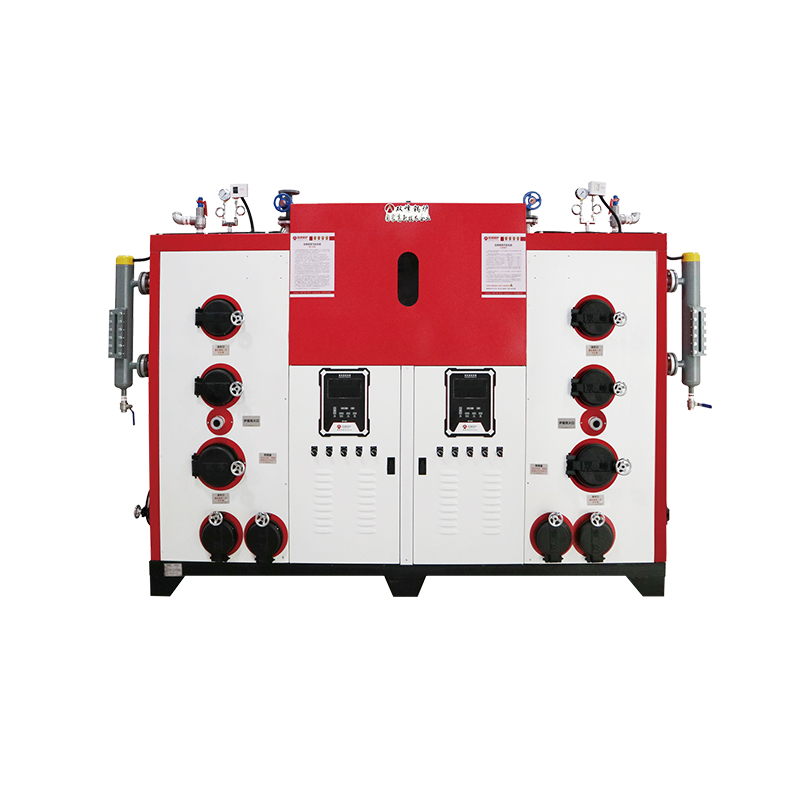
Product Introduction and FeatureThe SFeng LHG-s series biomass coal fired steam generator is a semi-...
See Details
Product Introduction and FeatureThe SFeng DZG Series solid fuel biomass/coal fired steam boiler has ...
See Details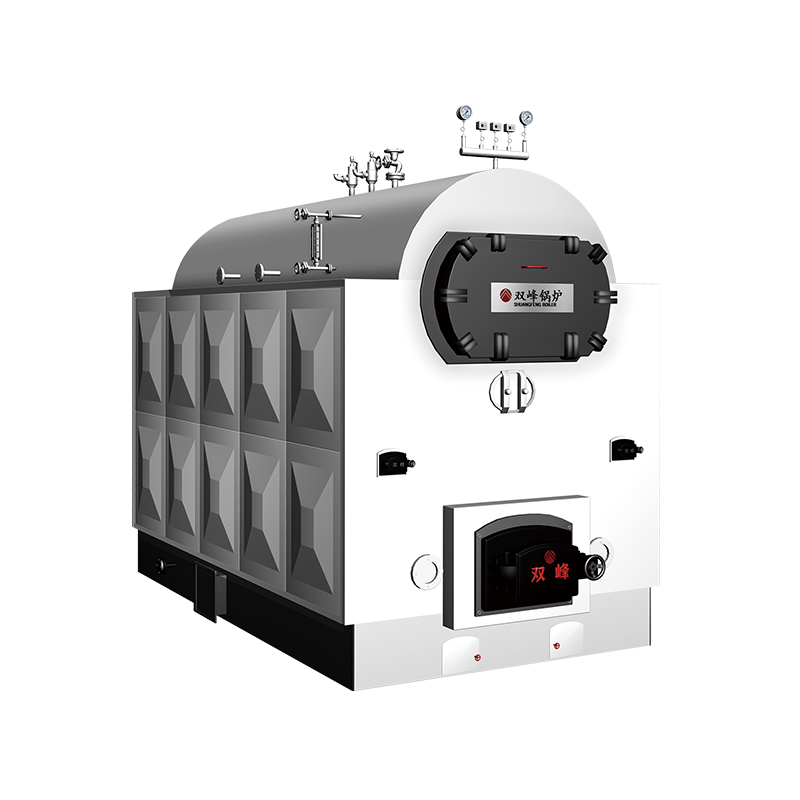
Product Introduction and FeatureDZG structure coal-fired steam boiler features a compact and single-...
See Details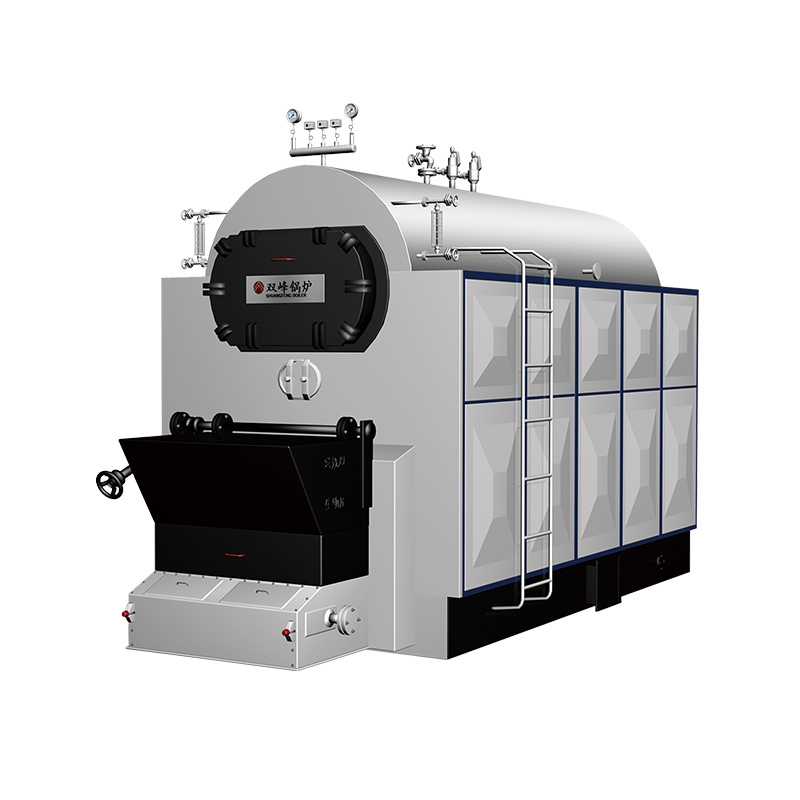
Product Introduction and FeatureThe DZL-S energy-saving and environmentally friendly steam boiler is...
See Details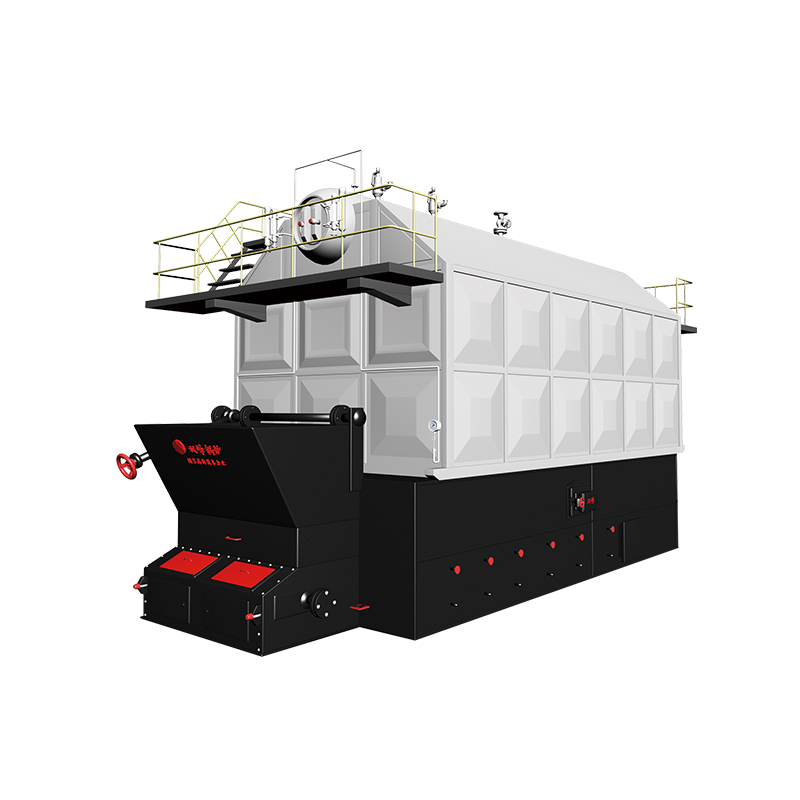
Product Introduction and FeatureSZI-S type energy-saving and environmentally friendly steam boiler i...
See Details
+86-17757929999

.png)
No. 150 Zhenxing Road, Jinhua, Zhejiang, China

With seven decades of expertise in energy-efficient and eco-friendly thermal equipment including steam boilers, steam generators, and pressure vessels, we operate as a nationally recognized high-tech enterprise offering integrated solutions from R&D and design to manufacturing, installation, maintenance, retrofitting, and after-sales service.
Copyright Zhejiang Shuangfeng Boiler Manufacturing Co., Ltd. All Rights Reserved.

Wuyi Generator Factory