
 ไทย
ไทย
+86-17757929999

Product Search
Industrial heating systems such as an Oil Thermal Fluid Heater and Gas Thermal Fluid Heater are widely used in chemical processing, asphalt production, food drying, and composite manufacturing. These systems deliver stable high-temperature heat transfer through circulating thermal oil, often operating close to 300°C–350°C under controlled conditions. Our company focuses on designing safe and efficient thermal oil heating systems with improved combustion control, circulation stability, and over-temperature protection.
Despite their efficiency, high-temperature operation introduces safety challenges that must be understood and actively managed.
Thermal oil degradation is one of the most critical safety concerns in high-temperature operation.
Industry studies show overheating is a primary cause of thermal fluid breakdown, leading to reduced flash point and increased fire risk. Modern systems typically require temperature control accuracy within ±2°C to maintain fluid stability.
Any Thermal Fluid Heater system contains fuel, oxygen, and ignition potential, meaning leakage management is essential.
Safety analyses confirm that even small leaks can escalate if insulation absorbs oil and reaches ignition conditions. Proper sealing design and routine inspection remain essential safeguards.
Loss of flow inside a thermal oil loop creates a dangerous thermal imbalance.
Engineering reports show that flow interruption combined with continuous burner operation can lead to severe system damage if safety shutdown systems fail.
Gas Thermal Fluid Heater systems and oil-fired units share similar heat transfer principles but differ in combustion behavior.
Modern burner systems often integrate PLC-based modulation, flame detection, and automatic fuel cutoff valves to reduce operational risk.
Thermal system safety is strongly influenced by measurable physical limits:
Deviation from these ranges increases the probability of thermal cracking and system instability.
Thermal oil exposed to air at high temperature gradually degrades.
Long-term oxidation is one of the hidden causes of performance loss in high-temperature heaters, often requiring periodic fluid sampling and replacement cycles every 3–5 years.
To improve reliability, our company integrates multiple protection layers into each system:
These systems reduce the risk of runaway heating and protect both equipment and operators.
Operational safety depends heavily on routine inspection discipline:
Proper maintenance significantly extends system lifespan and reduces unexpected downtime.
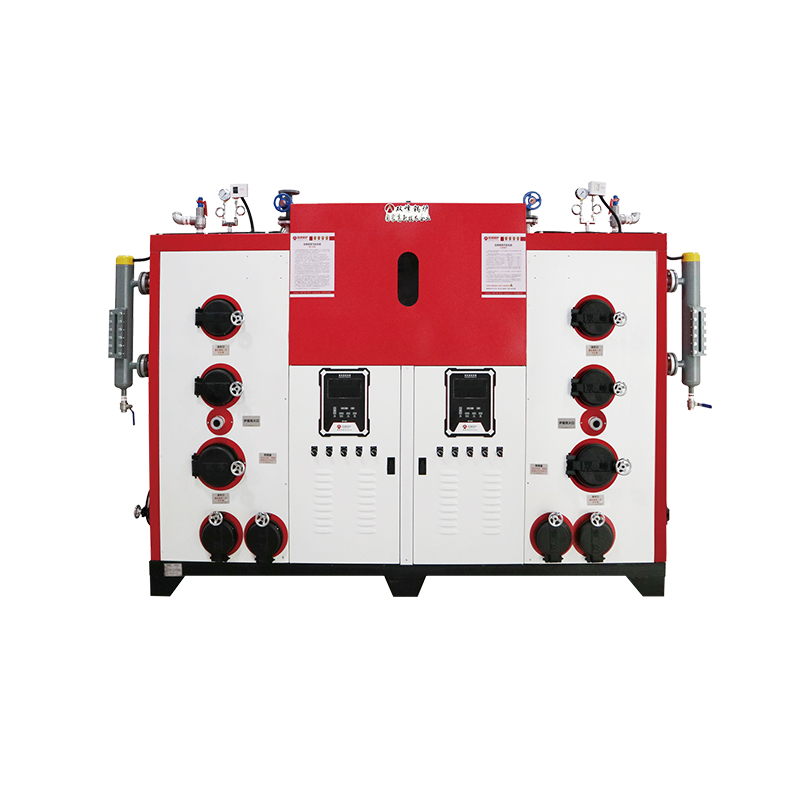
Product Introduction and FeatureThe SFeng LHG-s series biomass coal fired steam generator is a semi-...
See Details
Product Introduction and FeatureThe SFeng DZG Series solid fuel biomass/coal fired steam boiler has ...
See Details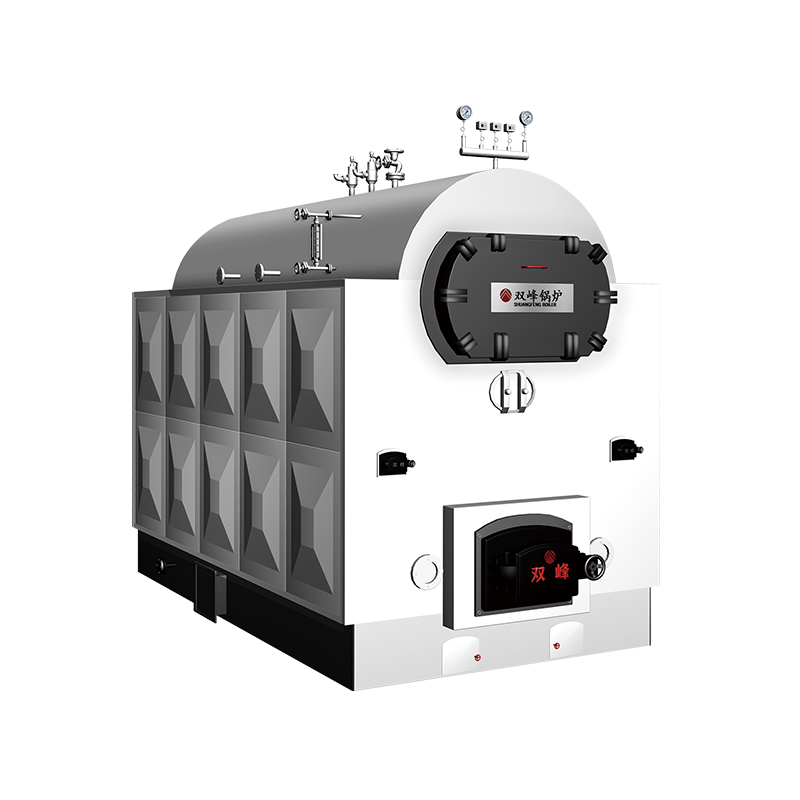
Product Introduction and FeatureDZG structure coal-fired steam boiler features a compact and single-...
See Details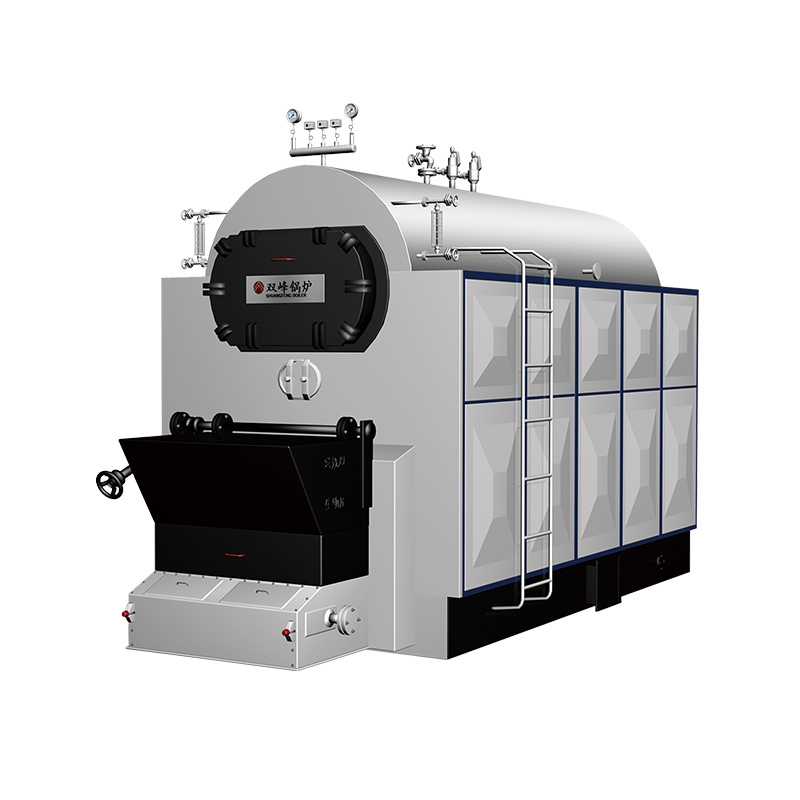
Product Introduction and FeatureThe DZL-S energy-saving and environmentally friendly steam boiler is...
See Details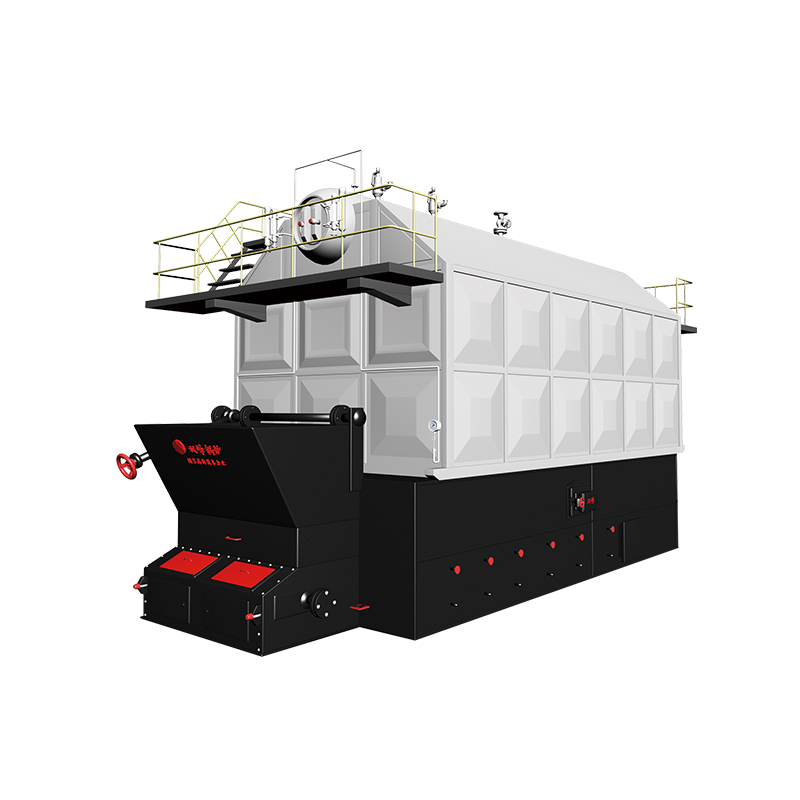
Product Introduction and FeatureSZI-S type energy-saving and environmentally friendly steam boiler i...
See Details
+86-17757929999

.png)
No. 150 Zhenxing Road, Jinhua, Zhejiang, China

With seven decades of expertise in energy-efficient and eco-friendly thermal equipment including steam boilers, steam generators, and pressure vessels, we operate as a nationally recognized high-tech enterprise offering integrated solutions from R&D and design to manufacturing, installation, maintenance, retrofitting, and after-sales service.
Copyright Zhejiang Shuangfeng Boiler Manufacturing Co., Ltd. All Rights Reserved.

Wuyi Generator Factory