
 ไทย
ไทย
+86-17757929999

Product Search
Gas and oil steam generators are widely used in industrial environments for producing reliable steam and heat for various processes. These systems burn natural gas, fuel oil, or a combination of fuels to generate steam on demand, providing consistent thermal energy for manufacturing, processing, and energy-related operations.
One key application is in industrial process heating and sterilization. Steam is often required for thermal treatment, cleaning, and heat transfer in industries such as food processing, pharmaceuticals, and textiles. The design of these generators allows them to produce steam at controlled pressures and temperatures, ensuring process consistency. Depending on the configuration, steam can be delivered at pressures ranging from low to high, with capacities suitable for both small and large-scale operations.
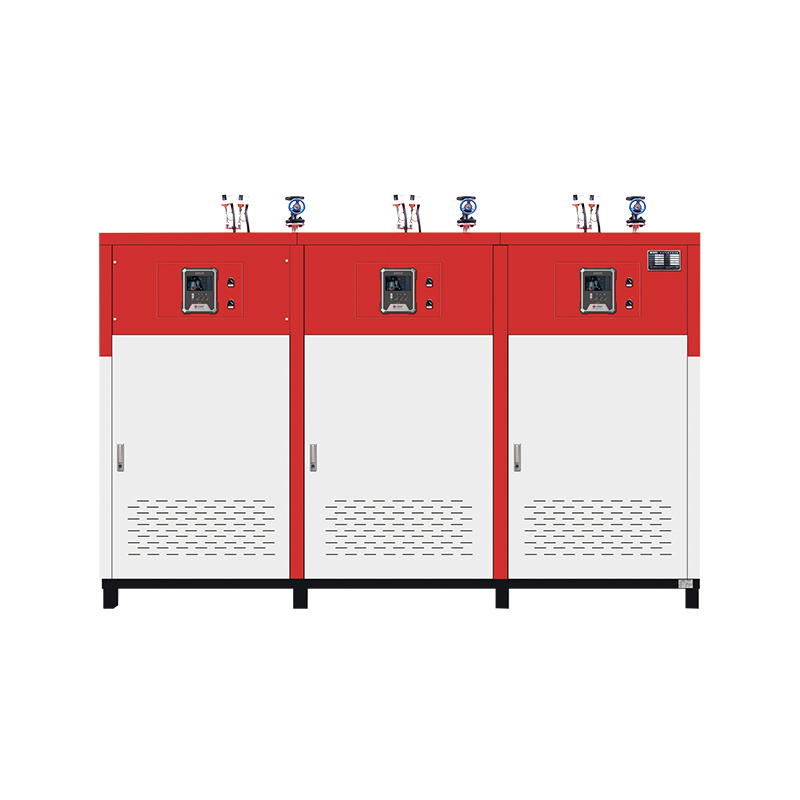
Another important use is in enhanced oil recovery. In heavy oil fields, steam injection reduces the viscosity of crude oil, allowing it to flow more easily toward production wells. Steam generators used in this context are engineered to operate under high temperature and pressure conditions, with materials and designs that resist corrosion and scale formation. The ability to provide a steady supply of high-quality steam is essential to maintain extraction efficiency and protect equipment.
Gas and oil steam generators are also commonly integrated with heat recovery systems. Facilities often capture residual heat from industrial processes to generate steam, improving overall energy efficiency. Heat recovery arrangements allow the steam generator to provide additional thermal energy without extra fuel consumption, supporting both cost management and environmental considerations. Advanced control systems regulate combustion, temperature, and pressure, maintaining optimal performance and waste.
Safety and maintenance are key factors in operating these systems. Proper monitoring of water levels, pressure, and fuel supply is necessary to prevent operational hazards. Regular inspection of components such as burners, heat exchangers, and piping ensures longevity and reliable performance. Operators are trained to manage both routine operations and potential emergencies to reduce downtime and maintain safe working conditions.
Industrial environments benefit from the versatility of gas and oil steam generators. They can adapt to varying steam demand, operate continuously or intermittently, and integrate with other thermal systems as needed. This flexibility makes them suitable for diverse applications, from process heating to sterilization, and even to specialized tasks such as laboratory or experimental operations.
Overall, gas and oil steam generators are essential tools in modern industrial operations. Their ability to provide controlled, reliable steam enables efficient processes, supports energy management, and contributes to operational safety. By combining durable construction, flexible operation, and advanced control capabilities, these systems meet the rigorous demands of industrial steam requirements.
Frequently Asked Questions
What fuels are used in these generators?
They typically use natural gas, fuel oil, or a combination, depending on availability and cost considerations.
Which industries rely on steam from these generators?
Common industries include chemical manufacturing, food processing, pharmaceuticals, textiles, and oil extraction operations.
Can these generators integrate with other systems?
Yes, they can work with heat recovery and energy management systems to improve efficiency.
How is safety maintained?
Safety is ensured through monitoring of water levels, pressure, temperature, and routine maintenance of burners, heat exchangers, and piping.
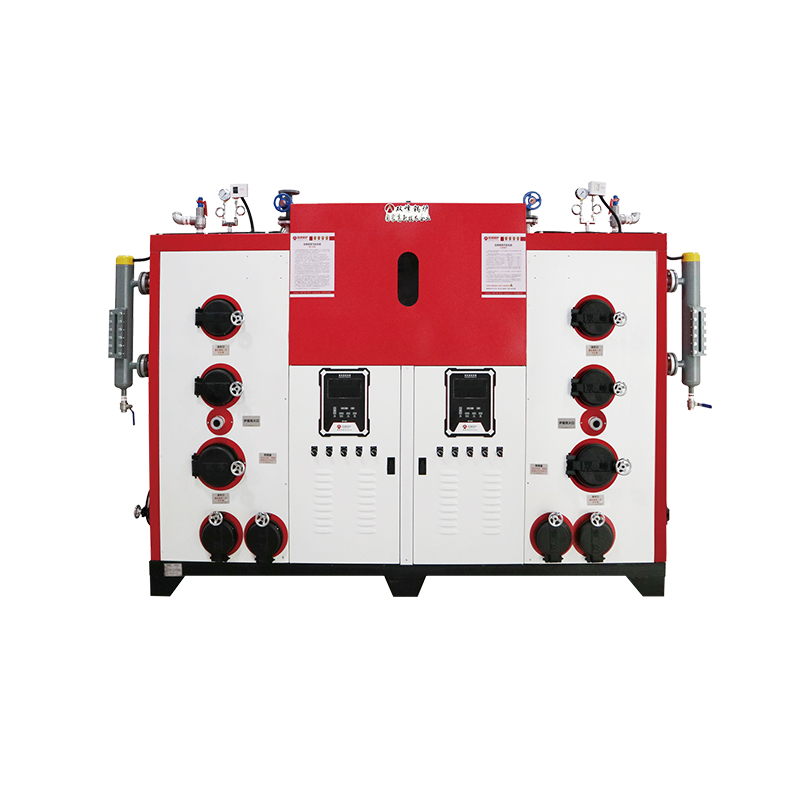
Product Introduction and FeatureThe SFeng LHG-s series biomass coal fired steam generator is a semi-...
See Details
Product Introduction and FeatureThe SFeng DZG Series solid fuel biomass/coal fired steam boiler has ...
See Details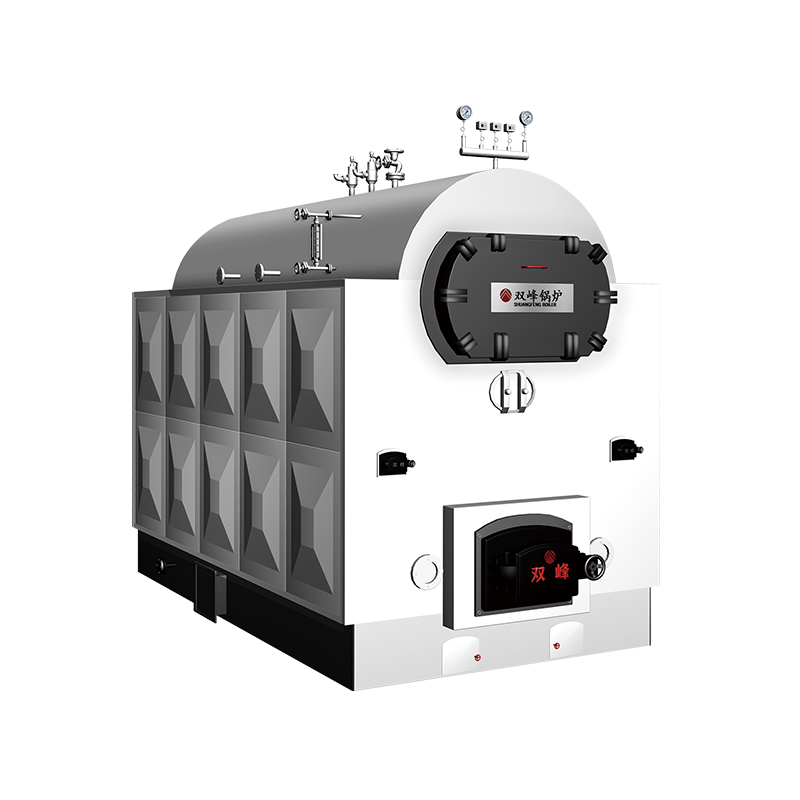
Product Introduction and FeatureDZG structure coal-fired steam boiler features a compact and single-...
See Details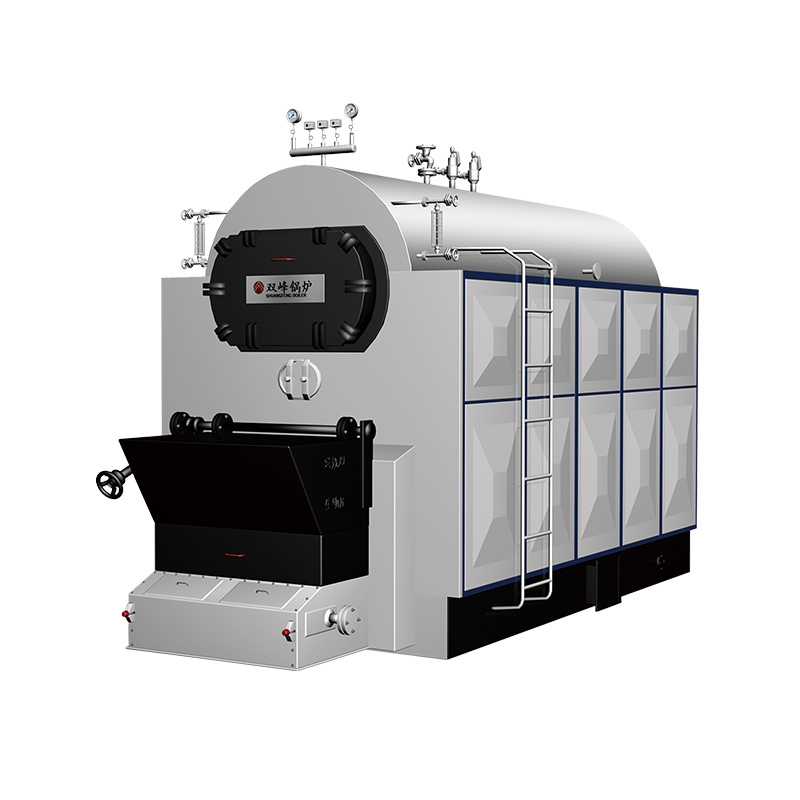
Product Introduction and FeatureThe DZL-S energy-saving and environmentally friendly steam boiler is...
See Details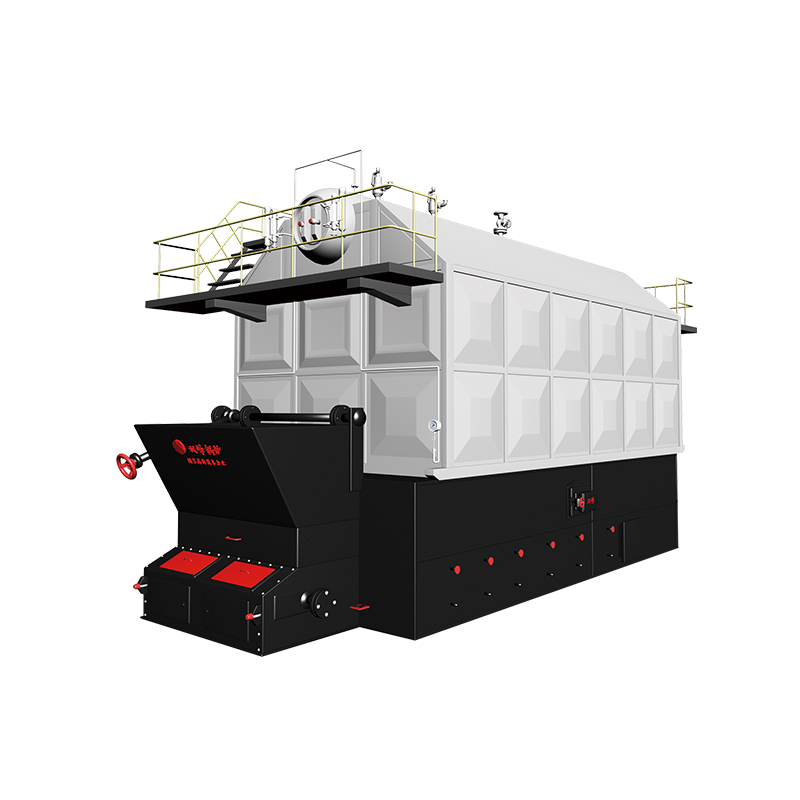
Product Introduction and FeatureSZI-S type energy-saving and environmentally friendly steam boiler i...
See Details
+86-17757929999

.png)
No. 150 Zhenxing Road, Jinhua, Zhejiang, China

With seven decades of expertise in energy-efficient and eco-friendly thermal equipment including steam boilers, steam generators, and pressure vessels, we operate as a nationally recognized high-tech enterprise offering integrated solutions from R&D and design to manufacturing, installation, maintenance, retrofitting, and after-sales service.
Copyright Zhejiang Shuangfeng Boiler Manufacturing Co., Ltd. All Rights Reserved.

Wuyi Generator Factory