
 ไทย
ไทย
+86-17757929999

Product Search
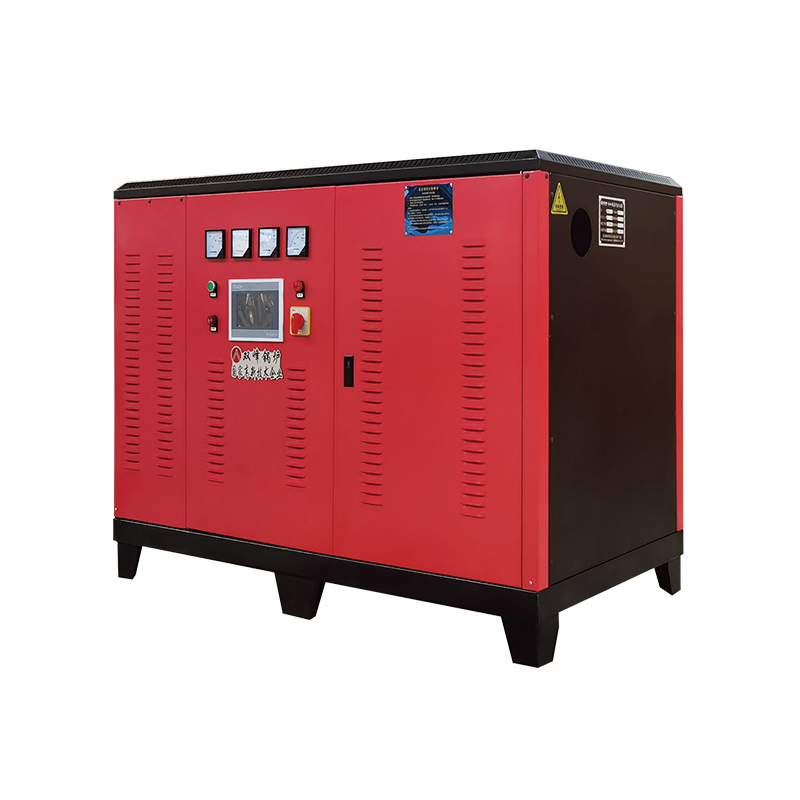
Electric steam generators are widely used across industrial, commercial, and research settings due to their ability to produce clean, controlled steam without the need for combustible fuels. While these systems offer operational advantages, proper maintenance and safety practices are essential to ensure efficiency, reliability, and long-term performance.
Routine Maintenance Practices
1. Inspect Heating Elements Regularly
Electric steam generators rely on resistive heating elements to convert electricity into heat. Over time, mineral deposits or scale can accumulate on these elements, reducing efficiency by up to 10–15 percent if left unaddressed. Regular inspection and cleaning of heating elements help maintain optimal performance and prevent premature failure.
2. Manage Water Quality
Feed water quality significantly impacts the lifespan and efficiency of the generator. Using demineralized or softened water helps prevent scale buildup and protects the heating elements. Operators should routinely monitor water hardness and pH levels, and maintain any water treatment systems according to established standards.
3. Maintain Steam Outlets and Condensate Lines
Steam and condensate lines must be inspected for blockages, corrosion, or leaks. Any obstruction can increase system pressure, triggering safety devices or causing equipment damage. Cleaning and descaling these lines at regular intervals ensures consistent steam flow and system reliability.
4. Check Control Systems and Sensors
Modern electric steam generators often include automated controls and safety sensors to monitor pressure, temperature, and water levels. Regular verification of sensor accuracy and control system functionality is essential. Malfunctioning sensors can result in overheating, low water conditions, or unexpected shutdowns.
Safety Guidelines
1. Observe Pressure and Temperature Limits
Never exceed the generator’s rated pressure or temperature. Safety valves are designed to relieve excess pressure, but operators should still monitor system parameters closely. Operating beyond specified limits can damage equipment and pose serious personal safety risks.
2. Follow Electrical Safety Protocols
Electric steam generators operate at high power levels, often on three-phase electrical systems. Only qualified personnel should handle installation, maintenance, or repairs. Proper grounding, circuit protection, and lockout/tagout procedures are critical to preventing electrical accidents.
3. Ensure Proper Installation and Ventilation
Generators should be installed in well-ventilated areas to prevent overheating of the unit and surrounding equipment. Indoor installations should allow adequate space for maintenance and comply with local safety regulations.
4. Prepare for Emergencies
Operators should be trained in emergency shutdown procedures, including depressurizing the system and safely disconnecting power in the event of a malfunction. Maintaining a written maintenance and emergency protocol helps reduce risk and ensures quick response in critical situations.
Benefits of Proper Maintenance
Regular maintenance and adherence to safety guidelines ensure:
Frequently Asked Questions
Q: How often should maintenance be performed?
A: Routine inspection is generally recommended monthly, with thorough maintenance every 6–12 months depending on usage and water quality.
Q: What type of water should be used?
A: Demineralized or softened water is preferred to reduce scaling. Untreated hard water may shorten equipment lifespan.
Q: What are the main safety risks?
A: High pressure, high temperature, electrical hazards, and scaling-induced overheating are primary concerns. Following proper procedures reduces these risks.
Q: How long can a well-maintained generator last?
A: With proper care, industrial electric steam generators can last 10–15 years or more.
Q: Are there automated safety alerts?
A: Many systems include sensors that monitor water levels, temperature, and scale buildup, alerting operators before issues become critical.
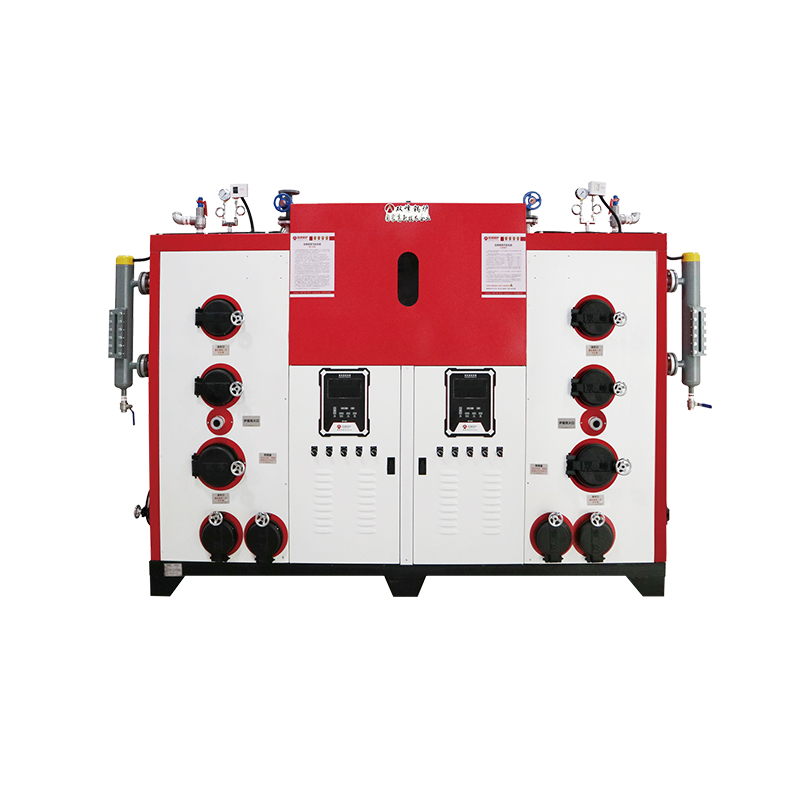
Product Introduction and FeatureThe SFeng LHG-s series biomass coal fired steam generator is a semi-...
See Details
Product Introduction and FeatureThe SFeng DZG Series solid fuel biomass/coal fired steam boiler has ...
See Details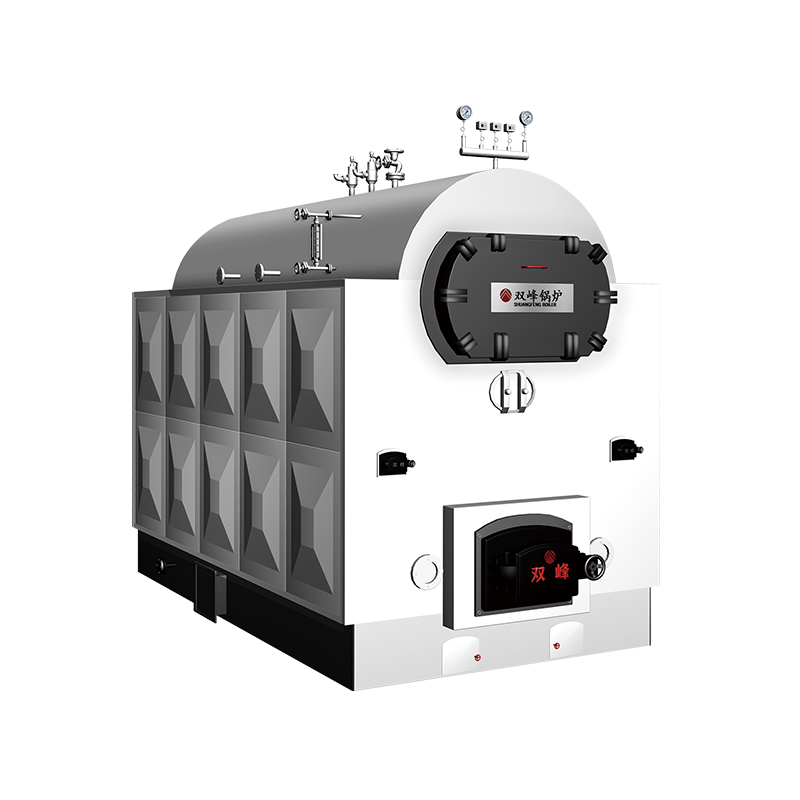
Product Introduction and FeatureDZG structure coal-fired steam boiler features a compact and single-...
See Details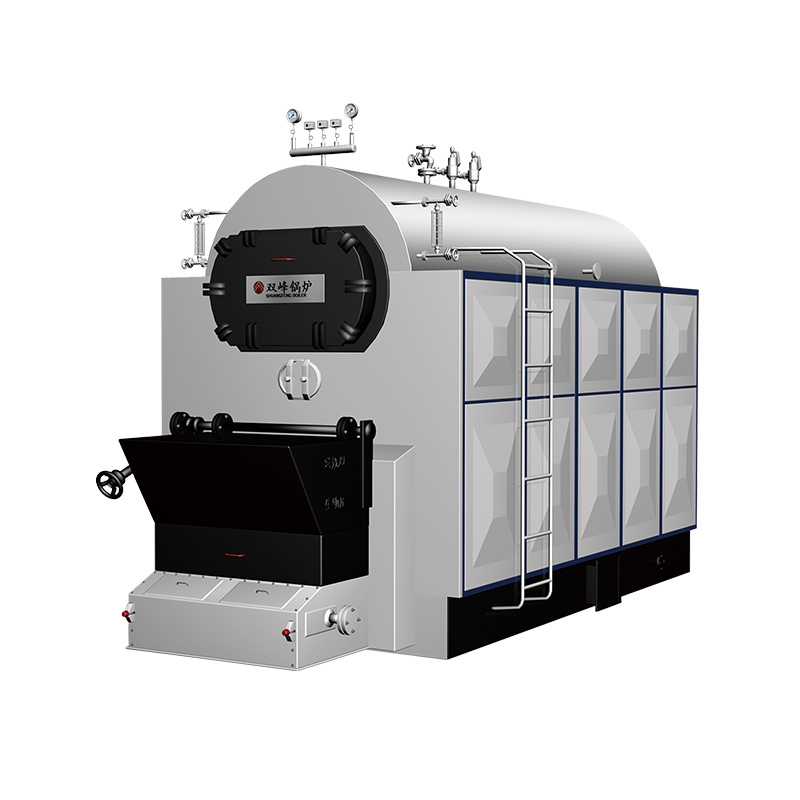
Product Introduction and FeatureThe DZL-S energy-saving and environmentally friendly steam boiler is...
See Details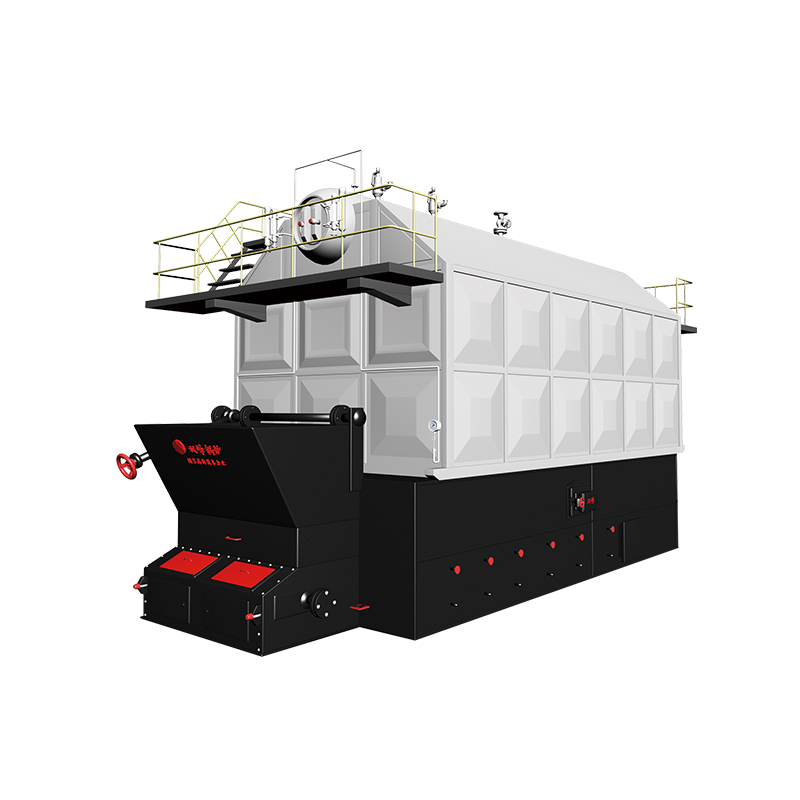
Product Introduction and FeatureSZI-S type energy-saving and environmentally friendly steam boiler i...
See Details
+86-17757929999

.png)
No. 150 Zhenxing Road, Jinhua, Zhejiang, China

With seven decades of expertise in energy-efficient and eco-friendly thermal equipment including steam boilers, steam generators, and pressure vessels, we operate as a nationally recognized high-tech enterprise offering integrated solutions from R&D and design to manufacturing, installation, maintenance, retrofitting, and after-sales service.
Copyright Zhejiang Shuangfeng Boiler Manufacturing Co., Ltd. All Rights Reserved.

Wuyi Generator Factory