
 ไทย
ไทย
+86-17757929999

Product Search
Steam generation efficiency and operational stability of an industrial Biomass Steam Boiler or Solid Fuel Steam Boiler are influenced by many factors, but one element that operators and plant managers often ask about is fuel quality. Fuel isn’t merely a source of heat — its characteristics determine how efficiently steam is produced, how often maintenance is needed, and the overall lifecycle cost of the boiler system. Zhejiang Shuangfeng Boiler Manufacturing Co., Ltd. engineers have studied how fuel properties impact boiler performance, and here’s a detailed breakdown.
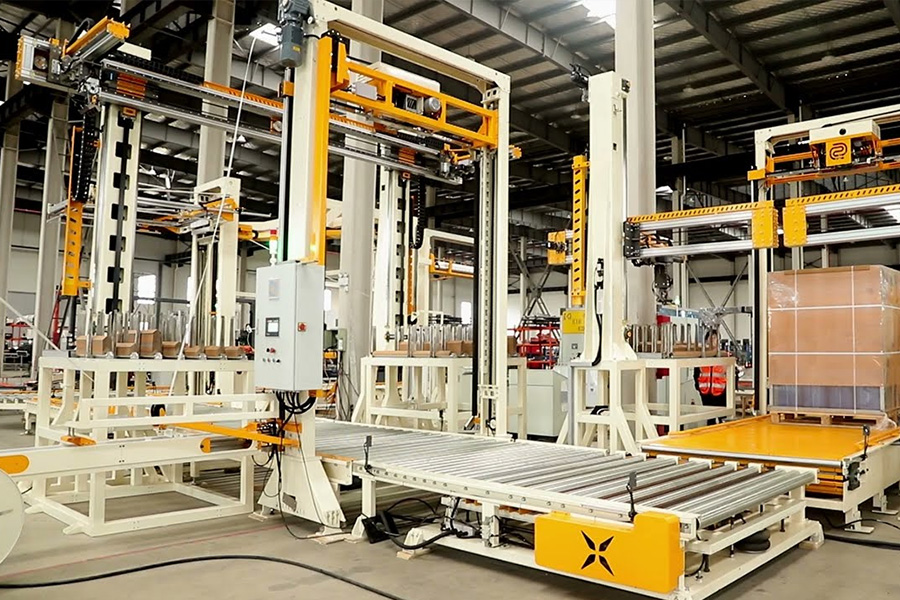
Moisture content is a parameter that technicians commonly measure before feeding biomass into a boiler. High moisture means more energy gets consumed to evaporate water instead of generating heat. In practical terms:
Experts recommend keeping moisture levels within a narrowly controlled range to maintain steady combustion and avoid energy losses.
The calorific value (heat content per unit of mass) of a fuel largely determines how much steam a boiler can produce from a given amount of material:
Operators should evaluate fuel sources and consider consistent, processed materials where possible to enhance performance.
Ash is the non-burnable residue left after combustion. Its influence is seen in both efficiency and maintenance requirements:
Selecting fuel with lower ash content not only improves thermal performance but also reduces labor and cleaning costs.
Physical consistency — including particle size and shape — affects feeding systems and combustion uniformity:
Boiler feed systems are optimized for certain fuel types; adherence to recommended specs enhances reliability.
Fuel quality isn’t just a performance consideration; it impacts cost over years of operation:
Companies like Zhejiang Shuangfeng Boiler Manufacturing Co., Ltd. emphasize that fuel planning should be part of total cost calculations to avoid unexpected expenses.
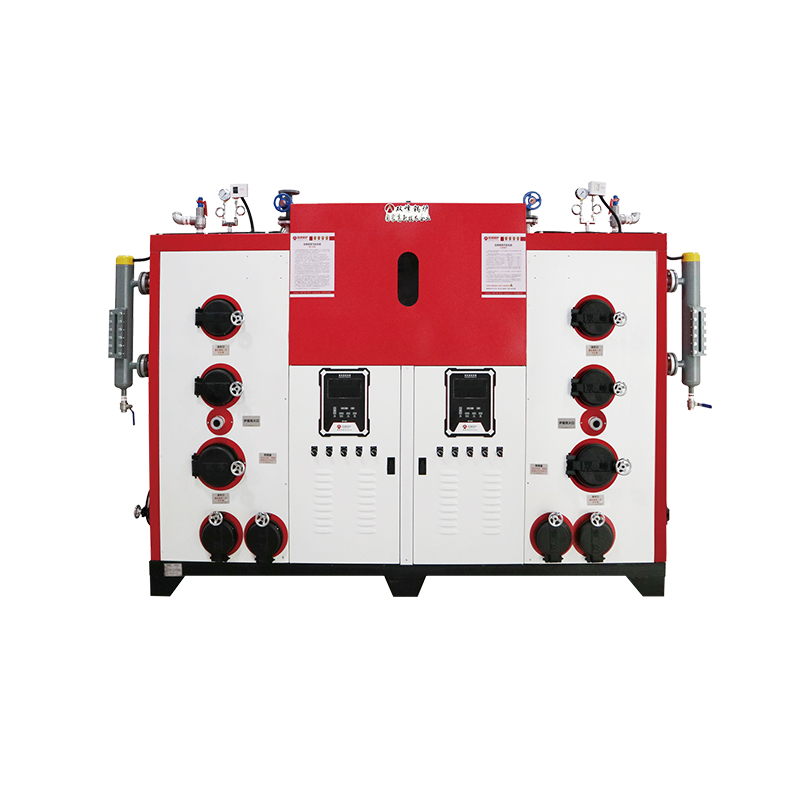
Product Introduction and FeatureThe SFeng LHG-s series biomass coal fired steam generator is a semi-...
See Details
Product Introduction and FeatureThe SFeng DZG Series solid fuel biomass/coal fired steam boiler has ...
See Details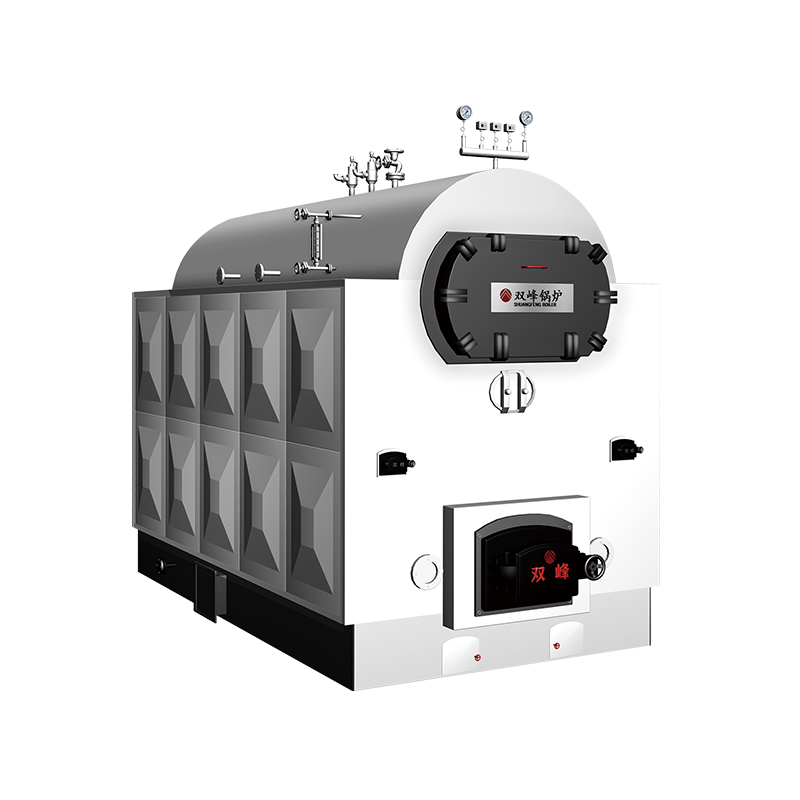
Product Introduction and FeatureDZG structure coal-fired steam boiler features a compact and single-...
See Details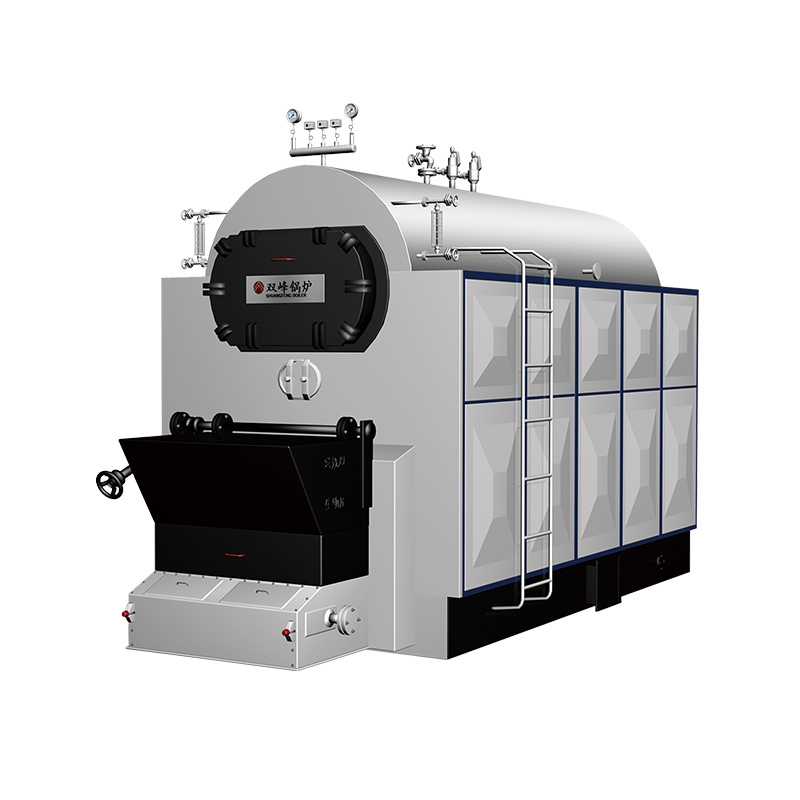
Product Introduction and FeatureThe DZL-S energy-saving and environmentally friendly steam boiler is...
See Details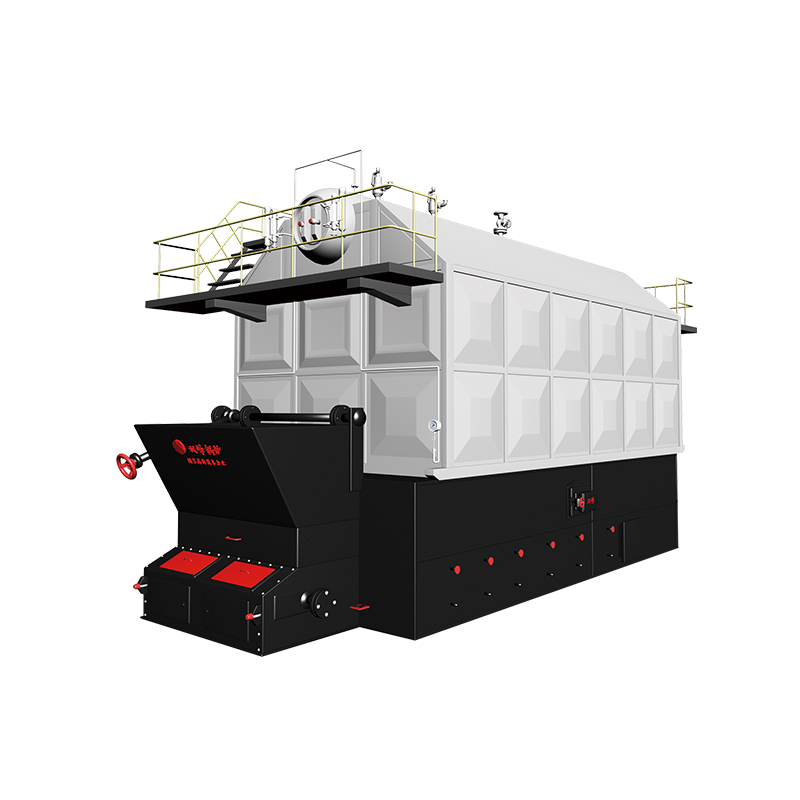
Product Introduction and FeatureSZI-S type energy-saving and environmentally friendly steam boiler i...
See Details
+86-17757929999

.png)
No. 150 Zhenxing Road, Jinhua, Zhejiang, China

With seven decades of expertise in energy-efficient and eco-friendly thermal equipment including steam boilers, steam generators, and pressure vessels, we operate as a nationally recognized high-tech enterprise offering integrated solutions from R&D and design to manufacturing, installation, maintenance, retrofitting, and after-sales service.
Copyright Zhejiang Shuangfeng Boiler Manufacturing Co., Ltd. All Rights Reserved.

Wuyi Generator Factory