
 ไทย
ไทย
+86-17757929999

Product Search
Biomass hot boiler heaters are increasingly installed in industrial and commercial facilities that require reliable heat for various operations. These systems burn organic fuels such as wood chips, pellets, or agricultural residues to produce hot water or steam. Unlike conventional boilers that rely on coal or oil, biomass boilers provide stable heat while reducing emissions of nitrogen oxides and sulfur oxides.
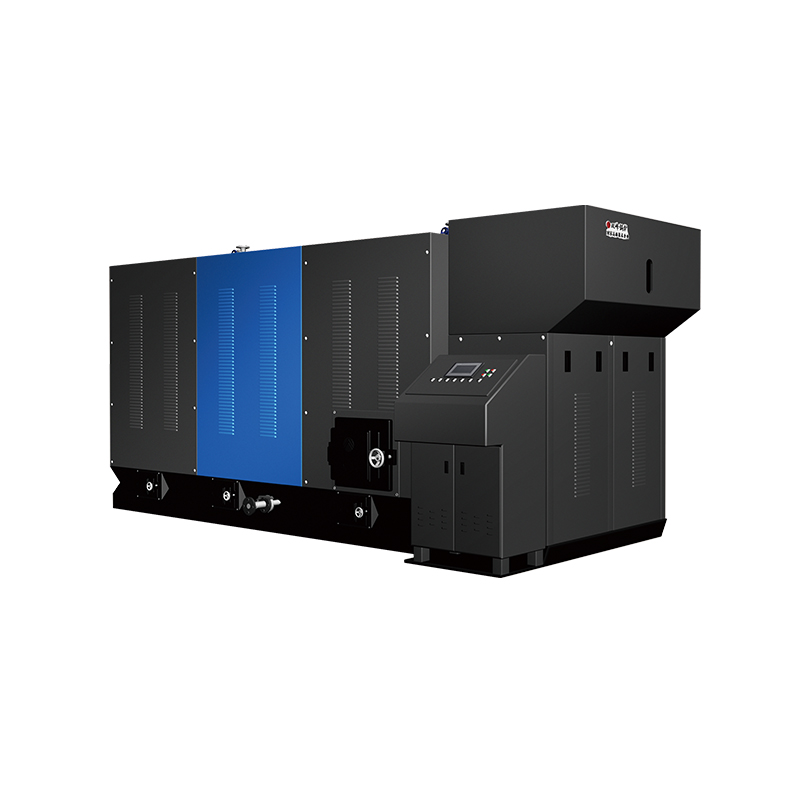
Industrial plants often use biomass hot boiler heaters to supply heat for manufacturing processes and building heating. Modern units can reach thermal efficiencies between 88 and 92 percent. The combustion process converts biomass into energy efficiently, maintaining consistent temperature levels across large areas. Many facilities that use local biomass materials report steady fuel availability and cost stability, which contributes to operational reliability.
In commercial settings, biomass boilers provide heat for hospitals, schools, and greenhouses. These systems generate hot water and steam for heating, helping maintain indoor temperatures even in colder months. Automated fuel handling and combustion control in some installations ensure stable operation. Operators note that proper maintenance, such as cleaning combustion chambers and monitoring fuel quality, helps sustain efficiency over time.
District heating systems have incorporated biomass boilers to supply multiple buildings from central plants. These systems can handle large volumes of heat, maintaining consistent delivery for residential and commercial spaces. Facilities report that biomass fuel, when managed correctly, burns steadily and produces fewer particulate emissions than fossil fuels. Continuous operation is possible, and temperature output remains stable during extended heating periods.
Environmental benefits are an important consideration. Biomass boilers produce lower carbon emissions compared to coal or oil. Nitrogen oxide emissions often measure below 150 mg/m³ in standard operating conditions. Sulfur oxide emissions are also significantly reduced. The use of biomass fuels helps decrease reliance on fossil energy, providing a renewable heat source while meeting local emission standards.
Operators also highlight flexibility. Biomass hot boiler heaters accept various organic fuels and can be scaled according to heat demand. Systems range from small units for individual buildings to large industrial boilers for factories or campus heating. Thermal efficiency remains high across different scales, and continuous operation is supported.
Safety and maintenance remain priorities. Regular inspection of fuel feeding systems and monitoring of combustion performance help prevent operational issues. Ash removal and periodic cleaning of heat exchangers maintain heat transfer efficiency. Many operators report long service life when these steps are consistently followed.
Frequently Asked Questions
Q1: What fuels can biomass hot boiler heaters use?
Wood chips, pellets, and agricultural residues are common fuels for these systems.
Q2: How efficient are these boilers?
Thermal efficiency typically ranges from 88 to 92 percent.
Q3: Where are biomass hot boiler heaters installed?
They are found in industrial facilities, schools, hospitals, greenhouses, and district heating networks.
Q4: Do these boilers reduce emissions?
Yes. Nitrogen oxide emissions often remain below 150 mg/m³, and sulfur oxide emissions are low.
Q5: Can these boilers operate continuously?
Yes, they can provide stable heat throughout long operating periods.
Q6: How is maintenance usually performed?
Routine maintenance includes cleaning combustion chambers, removing ash, and inspecting fuel feeding systems. Proper upkeep maintains efficiency and extends service life.
Q7: Are biomass hot boiler heaters scalable for different heat demands?
Yes. Systems range from small boilers for individual buildings to large units supplying heat to multiple facilities, while maintaining high thermal efficiency.
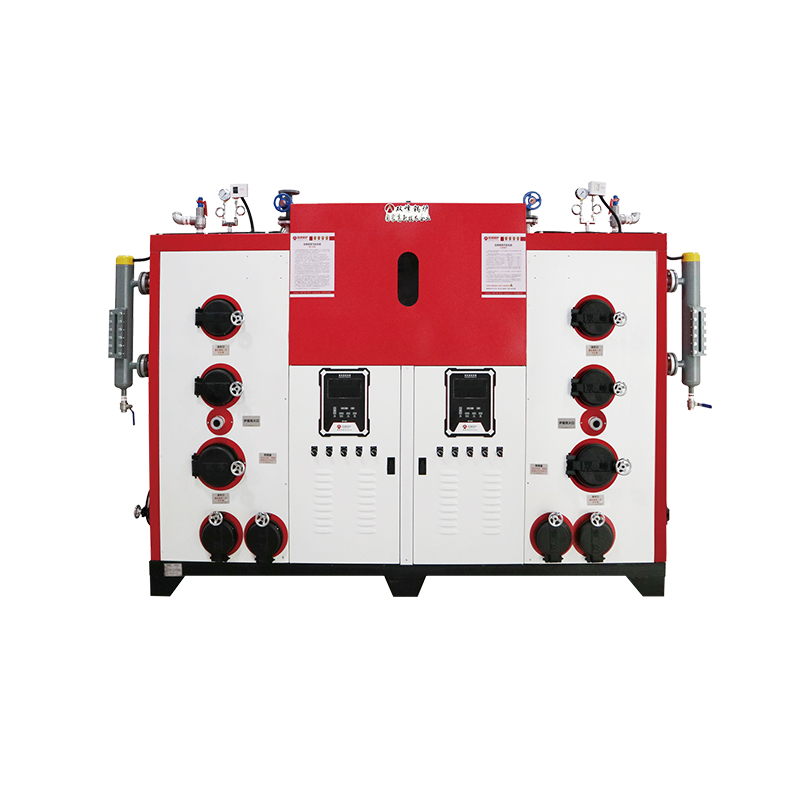
Product Introduction and FeatureThe SFeng LHG-s series biomass coal fired steam generator is a semi-...
See Details
Product Introduction and FeatureThe SFeng DZG Series solid fuel biomass/coal fired steam boiler has ...
See Details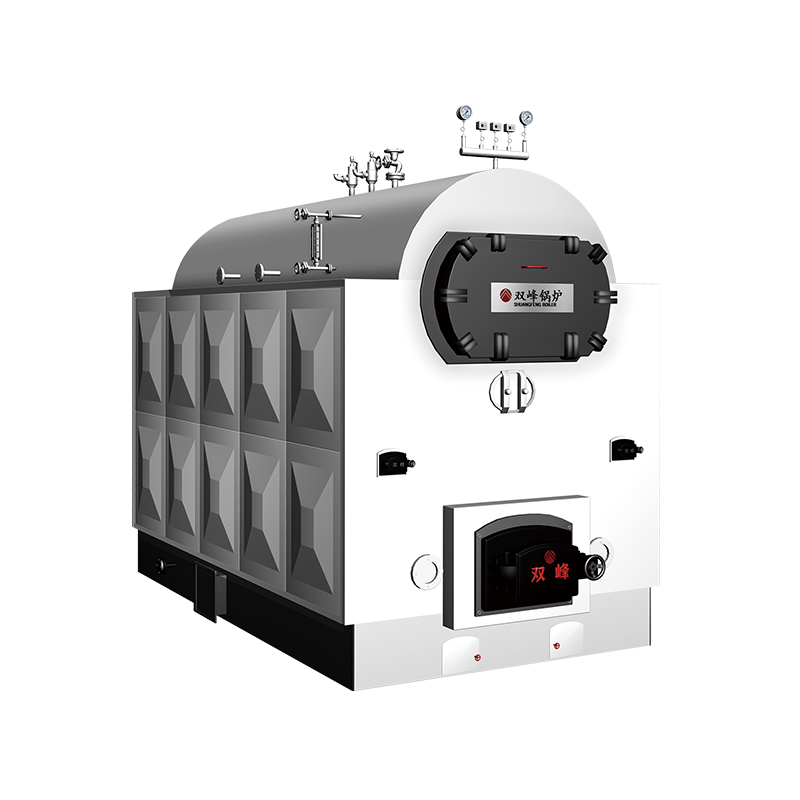
Product Introduction and FeatureDZG structure coal-fired steam boiler features a compact and single-...
See Details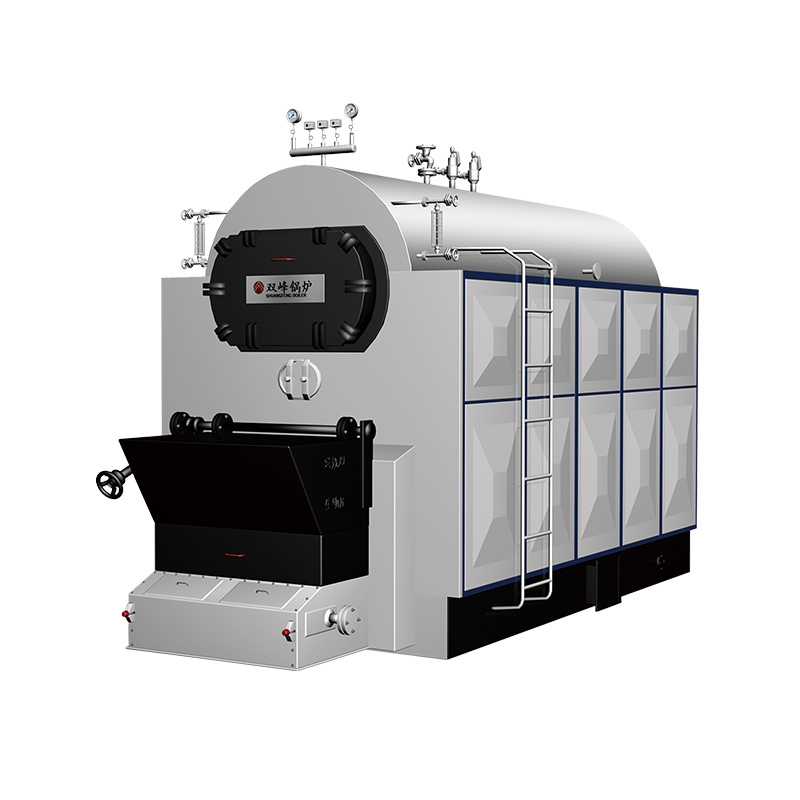
Product Introduction and FeatureThe DZL-S energy-saving and environmentally friendly steam boiler is...
See Details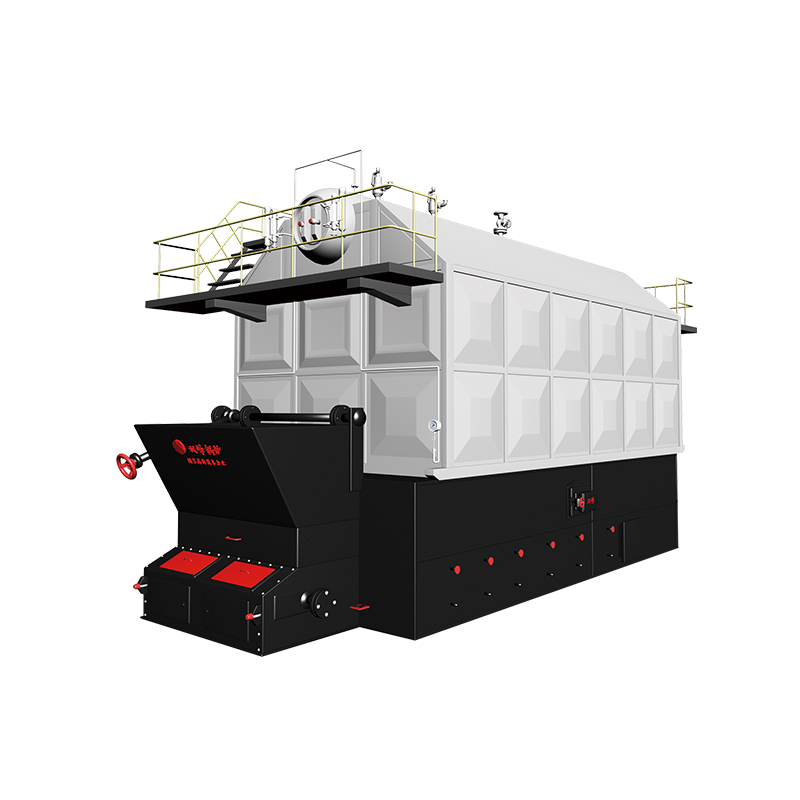
Product Introduction and FeatureSZI-S type energy-saving and environmentally friendly steam boiler i...
See Details
+86-17757929999

.png)
No. 150 Zhenxing Road, Jinhua, Zhejiang, China

With seven decades of expertise in energy-efficient and eco-friendly thermal equipment including steam boilers, steam generators, and pressure vessels, we operate as a nationally recognized high-tech enterprise offering integrated solutions from R&D and design to manufacturing, installation, maintenance, retrofitting, and after-sales service.
Copyright Zhejiang Shuangfeng Boiler Manufacturing Co., Ltd. All Rights Reserved.

Wuyi Generator Factory