
 ไทย
ไทย
+86-17757929999

Product Search
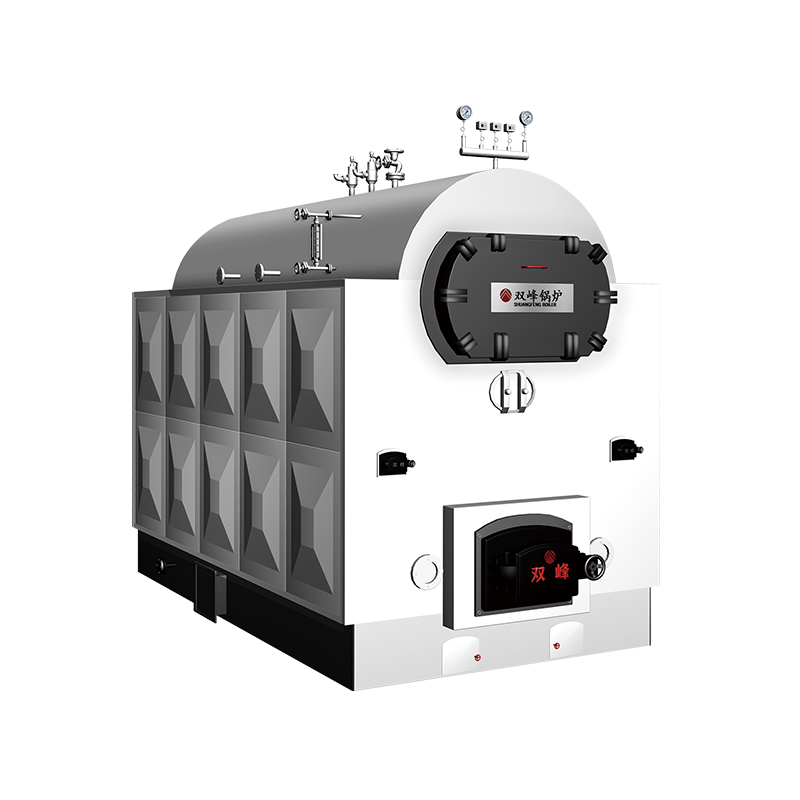
Across industrial, commercial, and agricultural sectors, the Biomass Steam Boiler is becoming an important option for facilities seeking stable steam and heat. Its ability to operate on wood residues, agricultural by-products, pellets, and other solid fuels allows operators to match local resource availability with their heating and process-steam requirements.
Broad Application Scenarios
Biomass steam systems are widely used across several major fields:
These varied applications show that biomass boilers can be integrated into both continuous and batch-based production environments, making them suitable for many plant layouts.
Operational and Maintenance Considerations
Although biomass steam boilers serve a wide range of needs, operators often highlight several practical challenges that require careful management.
Fuel Pre-Treatment
Biomass fuels can vary in size, moisture, and purity. Insufficient fuel preparation may affect combustion stability. Proper drying, screening, and storage reduce fluctuations and help maintain steady steam output.
Ash and Residue Handling
Solid fuels generate ash, slag, and particulate matter. Boilers must include appropriate ash-handling equipment and routine cleaning schedules. Consistent removal helps protect heat-exchange surfaces and maintain efficiency.
Wear and Maintenance Cycles
Components such as grates, feeding mechanisms, and refractory materials experience wear over time. Regular inspection and scheduled maintenance ensure predictable operation. Many facilities plan annual or semi-annual shutdowns for internal cleaning and part replacement.
Dust and Noise Control
Biomass combustion and mechanical feeding systems can produce dust and operational noise. Facilities near populated areas usually adopt dust-suppression measures, enclosure designs, or sound-absorbing components to maintain safe conditions.
Load Variation Response
Some factories experience fluctuating steam demand. Under variable loads, combustion control systems and fuel-air coordination must be adjusted to keep steam pressure within target ranges. Advanced control systems help maintain reliability during transitions.
CHP Integration and Efficiency Benefits
A key advantage of biomass steam systems is the potential to integrate with combined heat and power (CHP). In a CHP configuration, the boiler provides steam for both production and electricity generation. By using steam twice—first for power generation and then for heating or industrial processes—overall energy utilization can be significantly higher than using separate heat and power systems.
For district heating facilities, greenhouses, and industrial parks, CHP offers an approach to meeting multiple energy needs simultaneously. When biomass residues are available locally, this combined model can lead to stable operating costs and effective use of existing resources. Designing a biomass-CHP system requires attention to steam balance, turbine selection, and heat-recovery strategy, but many operators view these considerations as manageable within long-term planning.
Practical Evaluation Before Deployment
When planning a biomass steam installation, many engineering teams use the following evaluation framework:
Growing Role in Modern Facilities
As more factories, heating networks, and agricultural operators explore renewable and locally sourced energy options, the Biomass Steam Boiler is gaining visibility as a practical tool for meeting heat and steam demand. Its adaptability across industries, compatibility with CHP, and ability to utilize diverse fuel types position it as a useful technology for facilities seeking stable and predictable operation.
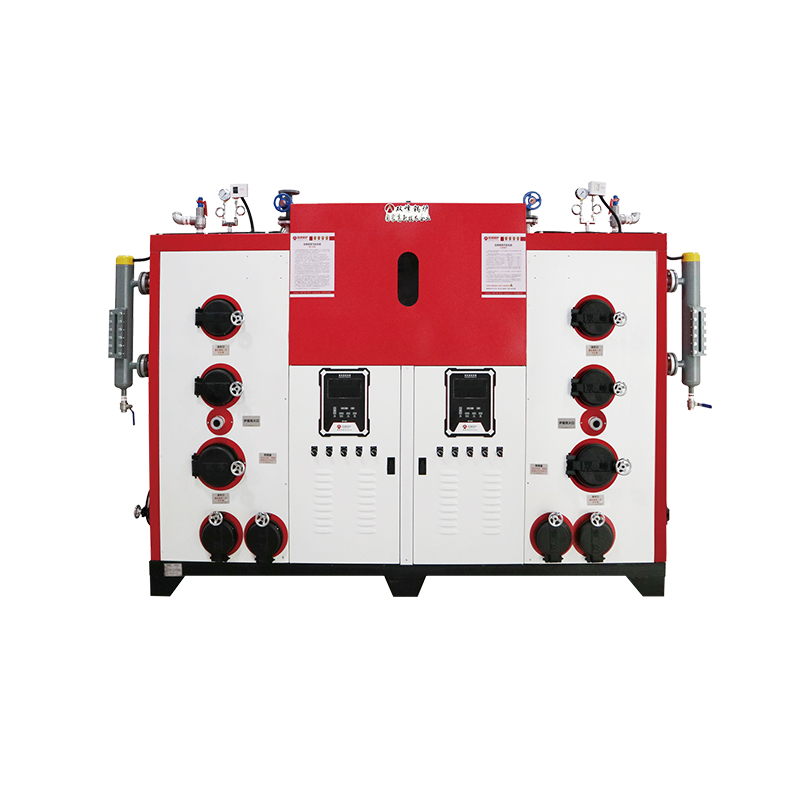
Product Introduction and FeatureThe SFeng LHG-s series biomass coal fired steam generator is a semi-...
See Details
Product Introduction and FeatureThe SFeng DZG Series solid fuel biomass/coal fired steam boiler has ...
See Details
Product Introduction and FeatureDZG structure coal-fired steam boiler features a compact and single-...
See Details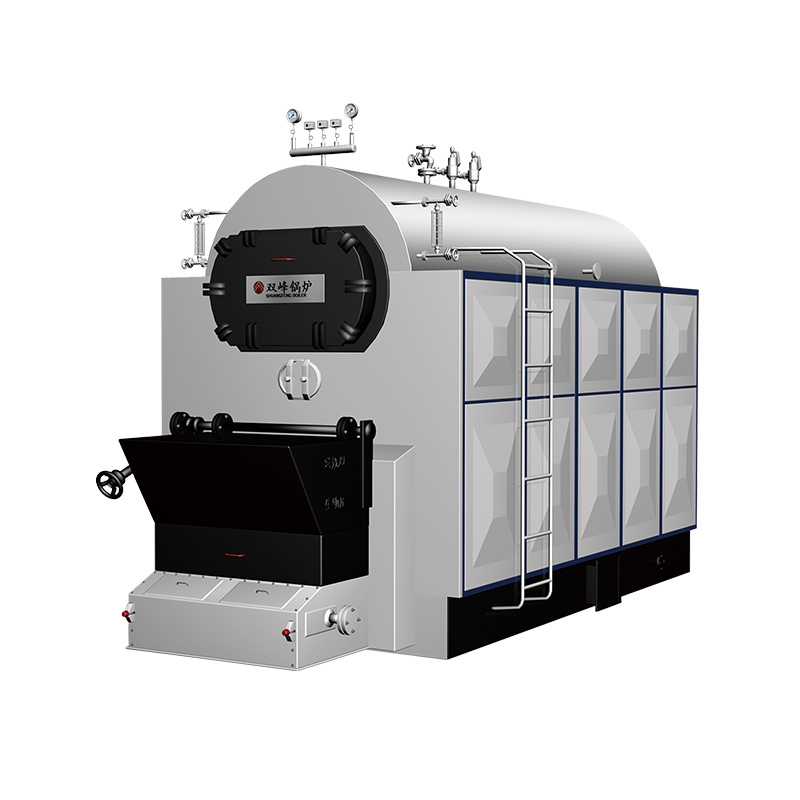
Product Introduction and FeatureThe DZL-S energy-saving and environmentally friendly steam boiler is...
See Details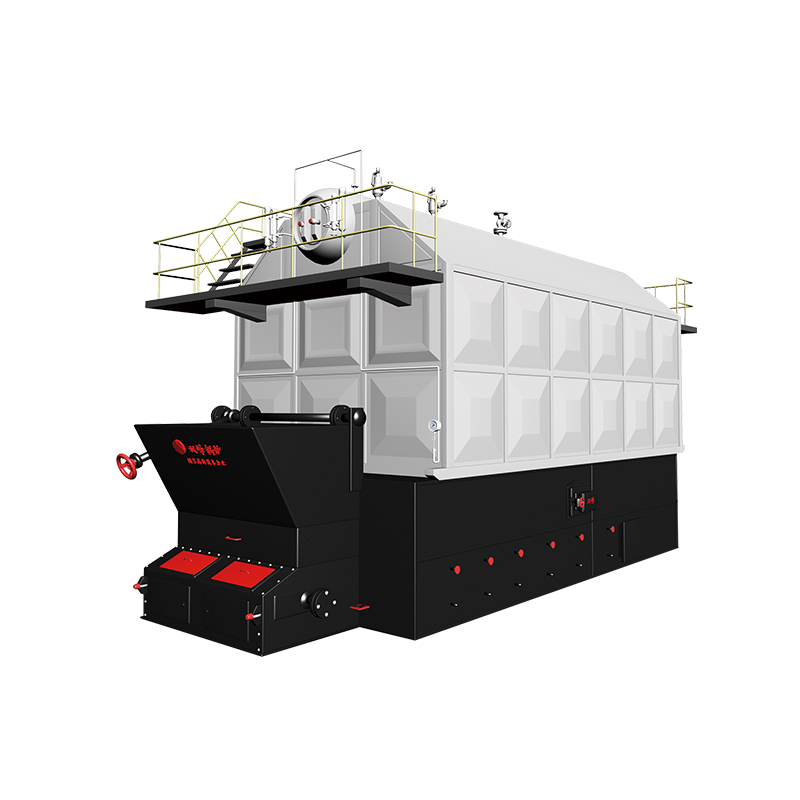
Product Introduction and FeatureSZI-S type energy-saving and environmentally friendly steam boiler i...
See Details
+86-17757929999

.png)
No. 150 Zhenxing Road, Jinhua, Zhejiang, China

With seven decades of expertise in energy-efficient and eco-friendly thermal equipment including steam boilers, steam generators, and pressure vessels, we operate as a nationally recognized high-tech enterprise offering integrated solutions from R&D and design to manufacturing, installation, maintenance, retrofitting, and after-sales service.
Copyright Zhejiang Shuangfeng Boiler Manufacturing Co., Ltd. All Rights Reserved.

Wuyi Generator Factory