
 ไทย
ไทย
+86-17757929999

Product Search
Rapid degradation of thermal fluids is a common challenge in high-temperature industrial systems. Modern installations using an Oil Thermal Fluid Heater or a Gas Thermal Fluid Heater rely on stable fluid performance to transfer heat efficiently.
Thermal fluids are engineered to operate within specific temperature ranges, typically 200–350°C for most organic fluids. Excessive heat accelerates chemical breakdown, forming sludge, carbon deposits, and acidic byproducts.
Proper design with evenly distributed heating zones, accurate temperature controls, and real-time monitoring can help mitigate excessive thermal degradation.
Oxygen intrusion is a major factor contributing to fluid degradation. Even trace amounts of air entering the system can initiate oxidation reactions.
Our company designs closed-loop systems with robust sealing components to minimize oxygen exposure and maintain fluid integrity over long operating periods.
Foreign substances in thermal fluid accelerate degradation. Common contaminants include water, dirt, soot, and metallic particles from system wear.
Thermal fluid replacement schedules can be extended by maintaining clean circulation lines and implementing inline filtration with micron-level capability.
Not all thermal fluids are created equal. Low-grade fluids or improper additive packages can shorten operational life.
Routine testing for acidity, viscosity, and color change helps identify early signs of additive depletion.
System design and operation directly impact thermal fluid life.
Engineering solutions such as flow-optimized piping, pump sizing for sufficient circulation, and automated burner controls improve fluid stability.
Regular monitoring and proactive maintenance extend thermal fluid life significantly.
Our company provides training, inspection services, and system upgrades to ensure Oil and Gas Thermal Fluid Heaters operate efficiently with minimal fluid loss.
Advanced heaters and control systems help minimize thermal fluid breakdown.
Integrating these innovations with operational best practices maximizes fluid life and reduces replacement frequency.
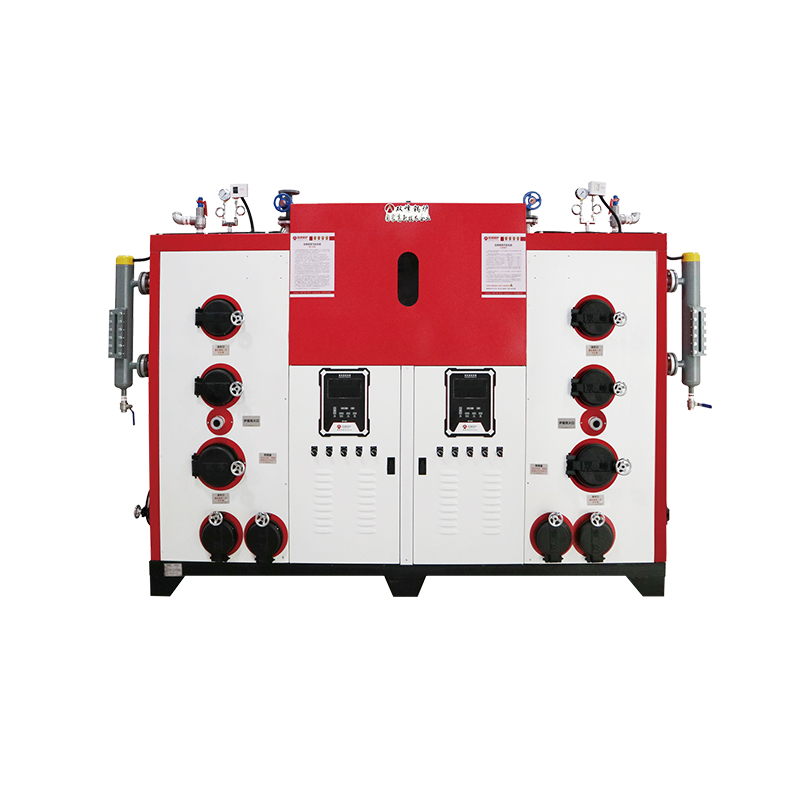
Product Introduction and FeatureThe SFeng LHG-s series biomass coal fired steam generator is a semi-...
See Details
Product Introduction and FeatureThe SFeng DZG Series solid fuel biomass/coal fired steam boiler has ...
See Details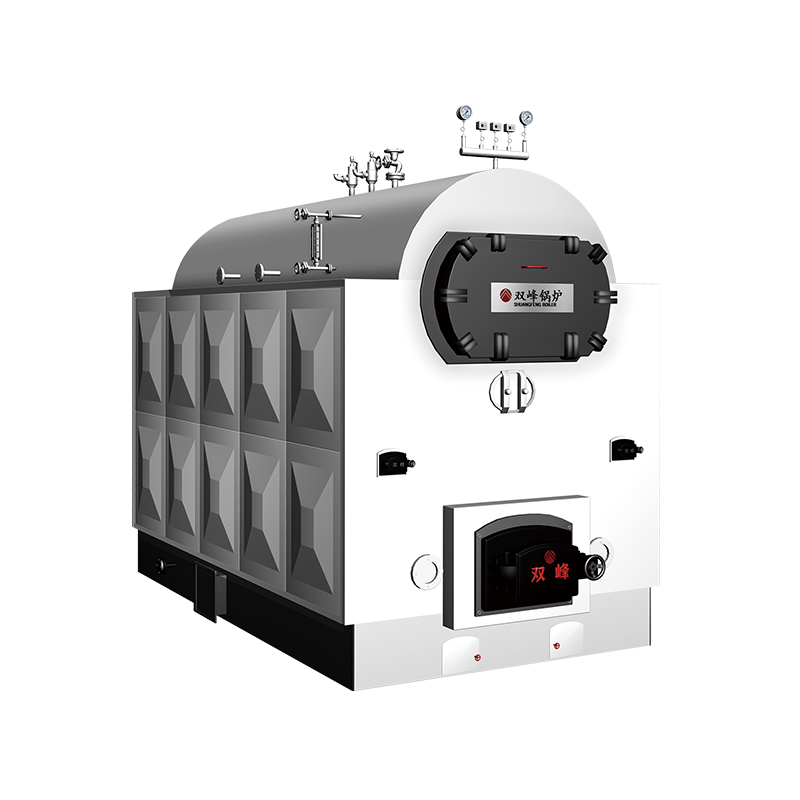
Product Introduction and FeatureDZG structure coal-fired steam boiler features a compact and single-...
See Details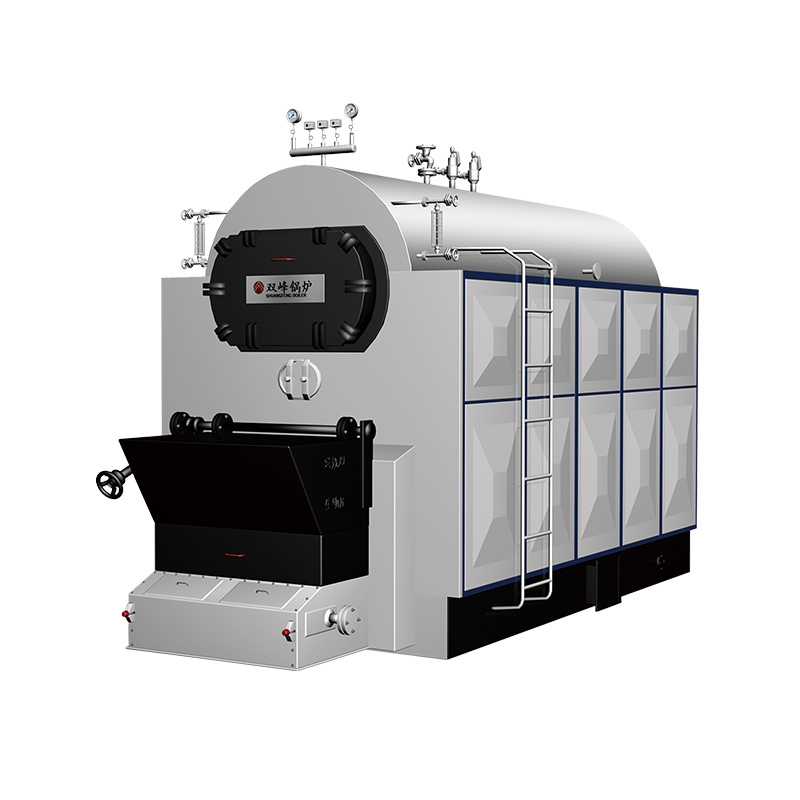
Product Introduction and FeatureThe DZL-S energy-saving and environmentally friendly steam boiler is...
See Details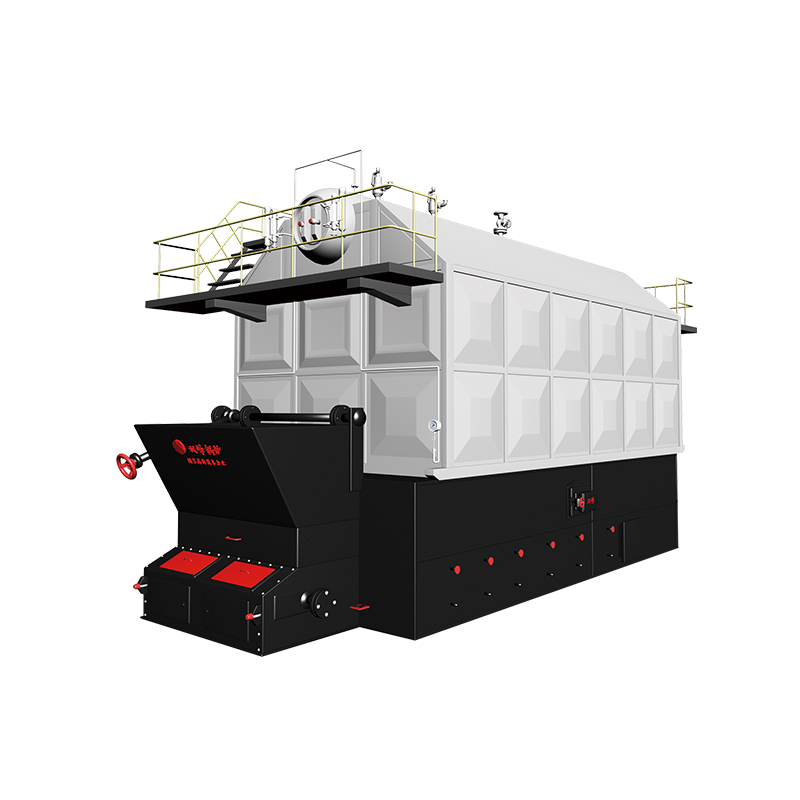
Product Introduction and FeatureSZI-S type energy-saving and environmentally friendly steam boiler i...
See Details
+86-17757929999

.png)
No. 150 Zhenxing Road, Jinhua, Zhejiang, China

With seven decades of expertise in energy-efficient and eco-friendly thermal equipment including steam boilers, steam generators, and pressure vessels, we operate as a nationally recognized high-tech enterprise offering integrated solutions from R&D and design to manufacturing, installation, maintenance, retrofitting, and after-sales service.
Copyright Zhejiang Shuangfeng Boiler Manufacturing Co., Ltd. All Rights Reserved.

Wuyi Generator Factory