
 ไทย
ไทย
+86-17757929999

Product Search
Users operating a Biomass Steam Boiler or a Solid Fuel Steam Boiler often encounter situations where the system’s performance seems satisfactory for a period, only to later observe that steam output drops, fuel consumption rises, or energy conversion becomes less efficient. Understanding the common causes behind such performance degradation is crucial for maintaining operational continuity and minimizing costs.
1. Inconsistent or Poor-Quality Fuel
One of the more common reasons for performance drop is fuel quality inconsistency. Biomass fuels come from a variety of sources — wood chips, straw, pellets, or agricultural residues — each with different moisture content, calorific value, and ash properties. High moisture in fuel means a significant portion of combustion energy is spent evaporating water instead of generating heat, directly reducing thermal efficiency. When moisture rises above optimal levels, combustion becomes incomplete and smoke or black exhaust may appear, indicating wasted energy.
Key impacts of poor fuel include:
Reduced flame temperature and unstable combustion.
Increased unburned carbon and lower steam yield per unit of fuel.
Greater ash production and deposition risks.
Addressing fuel quality through drying, screening, or using more uniform biomass batches can help restore performance.
2. Combustion System Imbalance
Efficient combustion requires precise air-fuel ratio control. Improper air distribution can significantly affect performance. Too much air cools the combustion zone and dilutes the heat generated; too little air leads to incomplete combustion and increased smoke with unburned hydrocarbons. Inadequate air supply also contributes to soot deposits on heat transfer surfaces, reducing heat absorption and forcing the boiler to burn more fuel to reach the same steam output.
Typical combustion issues include:
Incorrect primary and secondary air settings.
Poor burner tuning or unsynchronized fan systems.
Variations in draught caused by flue design inefficiencies.
Boiler operators should regularly verify airflow patterns and adjust fans or dampers as needed to maintain efficient combustion.
3. Heat Transfer Surface Fouling
As ash and soot accumulate on heat exchanger tubes and combustion chamber surfaces, the heat transfer efficiency diminishes. These deposits act as insulation between the combustion gases and the boiler water, trapping heat that would otherwise be used to generate steam. The result is a drop in thermal performance and the need to increase fuel feed rates to compensate.
Consequences of fouling include:
Higher flue gas temperatures leaving the boiler, indicating heat loss.
Lower overall energy conversion rates.
More frequent maintenance shutdowns for cleaning.
Routine cleaning and soot-blowing help maintain clean surfaces and better heat transfer.
4. Ash, Slagging and Deposits
Ash from biomass combustion can contain elements like potassium and silica that have low melting points. At high combustion temperatures, these compounds can fuse to form slag or sticky deposits on furnace walls or grate areas. Slagging reduces available combustion area and blocks airflow, resulting in lower combustion efficiency and performance.
Typical impacts of ash deposits include:
Blocked air pathways reducing oxygen supply for combustion.
Increased operational drag requiring more power for blowers.
Potential formation of corrosive compounds that damage metal surfaces.
Regular ash management and selecting fuels with lower slagging tendencies can mitigate this effect.
5. Equipment Wear, Corrosion and System Faults
Mechanical degradation also contributes to performance declines. Components like grate assemblies, fans, and augers wear over time from exposure to heat and particulate matter, reducing their efficiency. Corrosion from acidic combustion by-products can weaken metal surfaces and cause leaks or system instability. Aging control systems with worn sensors or faulty feedback loops may misread combustion conditions, leading to inappropriate control responses and performance loss.
Devices affected by wear and tear include:
Feed mechanisms and fuel conveyors.
Soot blowers and draft fans.
Heat exchanger flues and tubes.
Scheduled inspections, replacing worn parts, and updating control systems are essential to maintain steady performance.
What Does Performance Drop Look Like?
Users of steam boilers may notice:
Rising fuel consumption without increased steam output.
Fluctuating steam pressure and unstable temperature profiles.
Higher flue gas temperatures and thicker smoke.
Increased maintenance frequency and unplanned downtime.
These signs are early warnings that boiler efficiency is dropping and corrective action is needed.
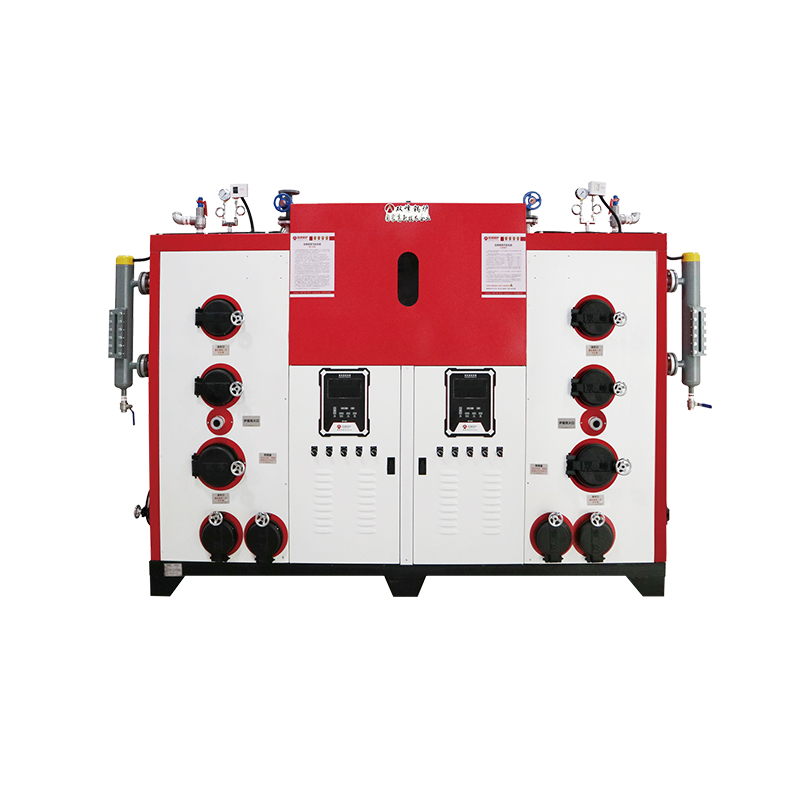
Product Introduction and FeatureThe SFeng LHG-s series biomass coal fired steam generator is a semi-...
See Details
Product Introduction and FeatureThe SFeng DZG Series solid fuel biomass/coal fired steam boiler has ...
See Details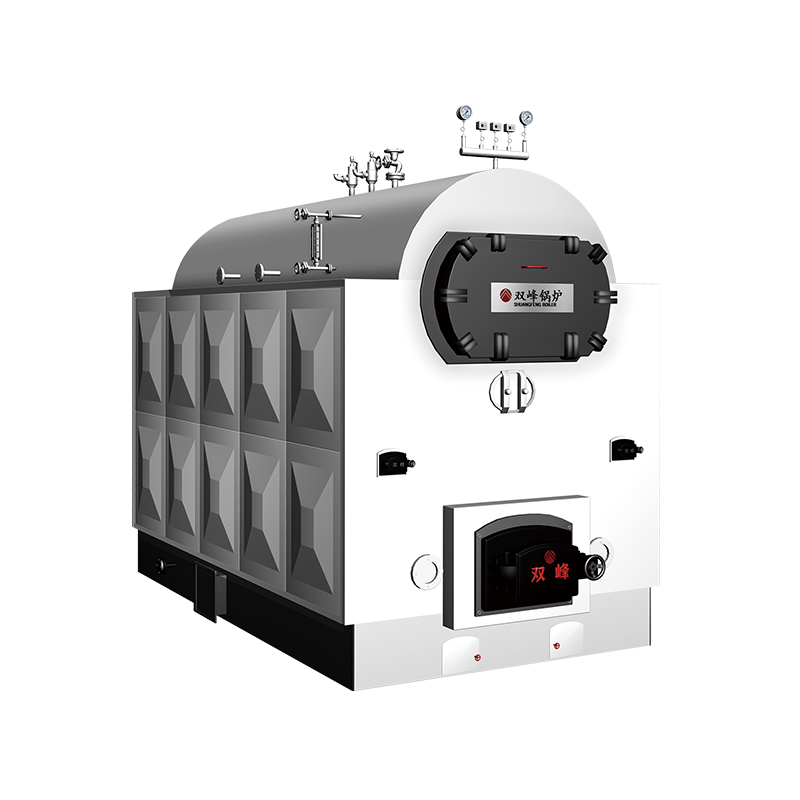
Product Introduction and FeatureDZG structure coal-fired steam boiler features a compact and single-...
See Details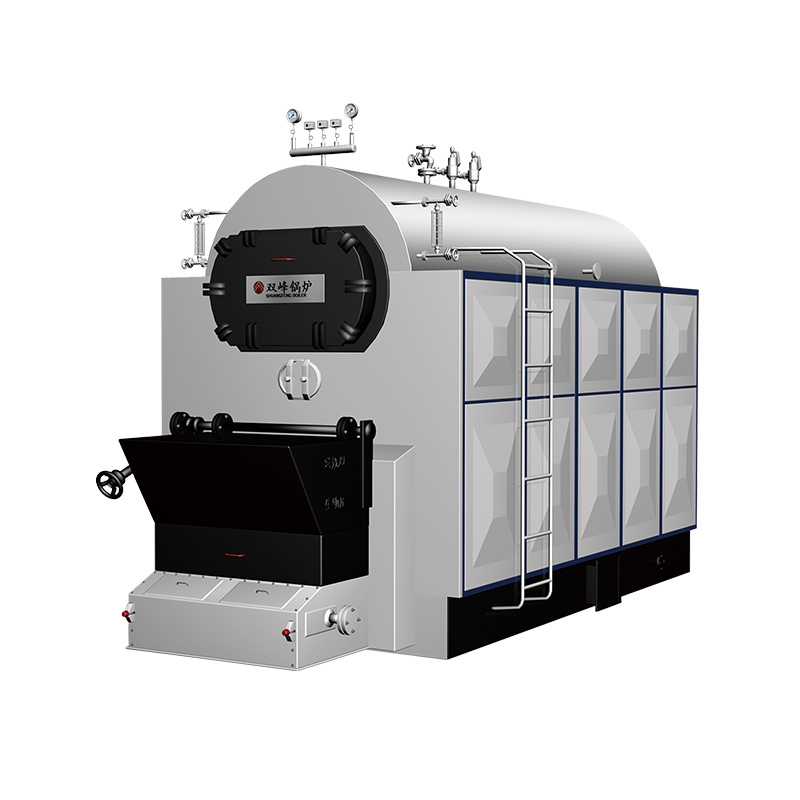
Product Introduction and FeatureThe DZL-S energy-saving and environmentally friendly steam boiler is...
See Details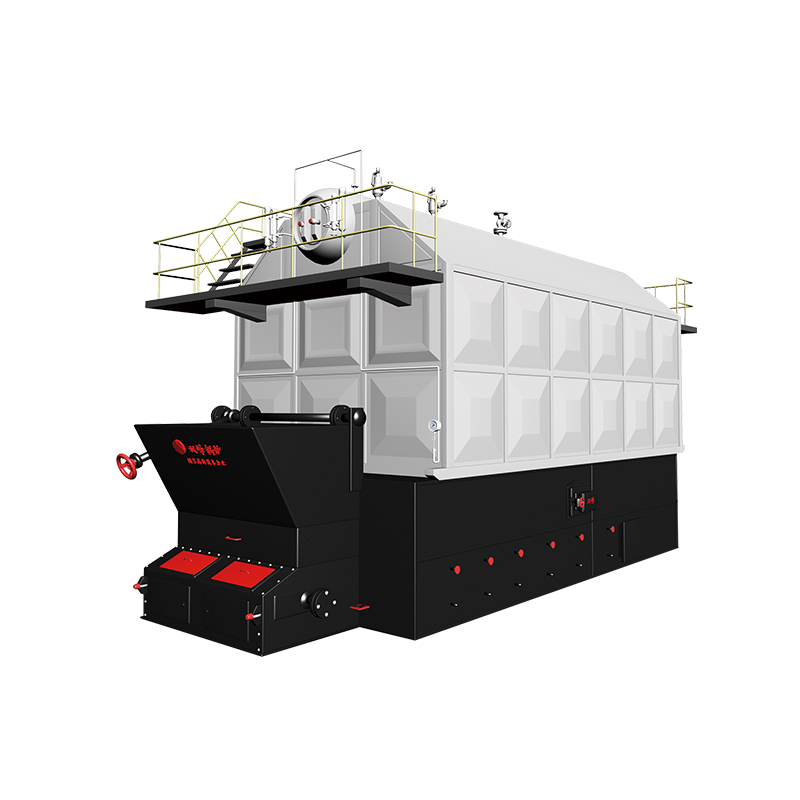
Product Introduction and FeatureSZI-S type energy-saving and environmentally friendly steam boiler i...
See Details
+86-17757929999

.png)
No. 150 Zhenxing Road, Jinhua, Zhejiang, China

With seven decades of expertise in energy-efficient and eco-friendly thermal equipment including steam boilers, steam generators, and pressure vessels, we operate as a nationally recognized high-tech enterprise offering integrated solutions from R&D and design to manufacturing, installation, maintenance, retrofitting, and after-sales service.
Copyright Zhejiang Shuangfeng Boiler Manufacturing Co., Ltd. All Rights Reserved.

Wuyi Generator Factory