
 ไทย
ไทย
+86-17757929999

Product Search
A Biomass Thermal Fluid Heater is a heat delivery system that uses burned biomass to heat a thermal fluid, such as a heat transfer oil, which then circulates through process equipment. These systems are used in manufacturing operations that require stable thermal inputs within defined temperature ranges, often up to around 300 °C. Unlike water‑based systems, thermal fluid heaters transfer heat without the complexities of phase change, simplifying control of surface temperatures.
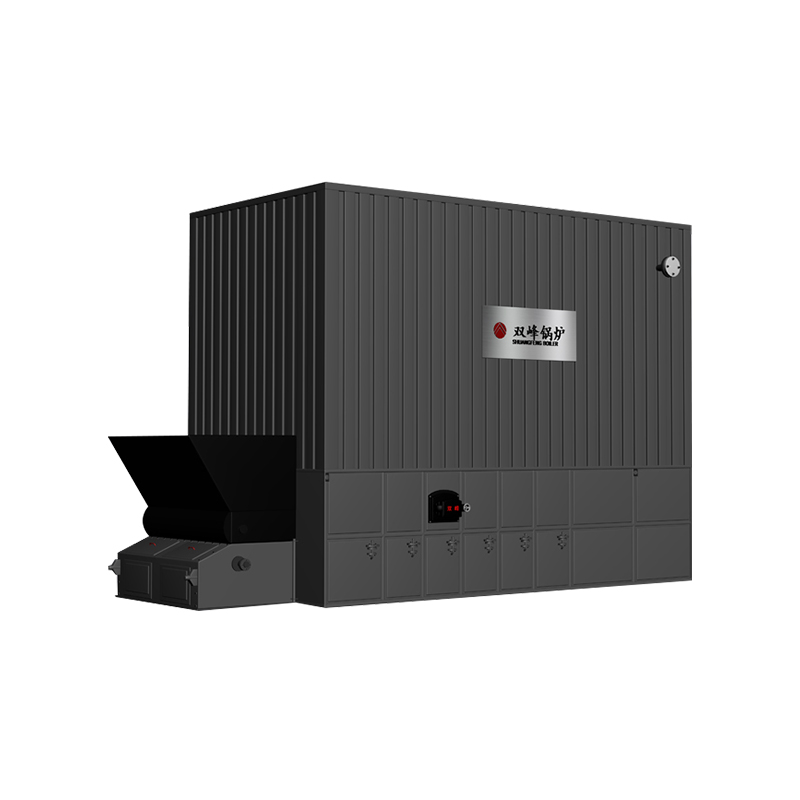
Key advantages of using biomass as the combustion source include access to locally available feedstocks and a reduction in reliance on fossil fuels. Biomass thermal fluid heaters can accommodate materials such as sawdust, crop residues, and wood pellets, which permit facilities to utilize existing material flows. By bypassing water treatment needs and circulating heat transfer fluids directly, operators can achieve stable thermal delivery across different zones of production equipment.
In sectors such as wood product manufacturing, plastics and rubber forming, and chemical processing, maintaining precise temperatures during heat‑dependent operations matters for product quality. Biomass thermal fluid systems have been integrated into hot pressing, drying, and curing processes where uniform heat application supports consistent outcomes. The fluid medium allows heat to transfer to equipment surfaces efficiently while it returns to the heater for reheating.
Design considerations for these systems include fluid type, system capacity, and combustion control. Thermal fluid heaters may include recuperators or heat exchangers that capture and reuse residual heat from the flue gas, improving overall energy use versus direct combustion heating. Operators calibrate fluid flow rates and heater output to match load requirements, ensuring that end‑use sections receive adequate heat without overtaxing the combustion system.
Extended industrial applications also include simultaneous heating of multiple process units through looped fluid networks. By circulating hot fluid to several machines or presses, manufacturers can maintain temperature uniformity across production lines. Monitoring sensors track fluid temperature, flow rate, and pressure, enabling operators to adjust combustion intensity for varying process demands. Thermal fluid heaters can also be combined with storage tanks to provide a buffer for temporary peak demands, enhancing operational flexibility without shutting down production.
For industrial facilities evaluating heating options, biomass thermal fluid technology represents an alternative to steam‑centric systems. Because the fluid remains in a closed loop and system pressure stays relatively low, thermal fluid heaters can deliver hot fluid at controlled temperatures with fewer pressure‑related safety considerations than traditional steam boilers. These characteristics can support production environments that require reliable heat without frequent intervention for pressure control.
Frequently Asked Questions
Q: What does a thermal fluid heater do?
A: It heats a circulating fluid that transfers heat to production equipment.
Q: What types of biomass can be used?
A: Sawdust, wood chips, and agricultural residues are common fuels.
Q: Where are they applied?
A: Wood processing, plastics and rubber forming, and chemical heat processes.
Q: Is water treatment required?
A: Thermal fluid systems do not require the water conditioning typical of steam boilers.
Q: What temperature ranges are typical?
A: Thermal fluid heaters commonly deliver heat up to around 300 °C.
Overall, the Biomass Thermal Fluid Heater supports industrial heat needs in environments where direct fluid heating is more suitable than steam generation.
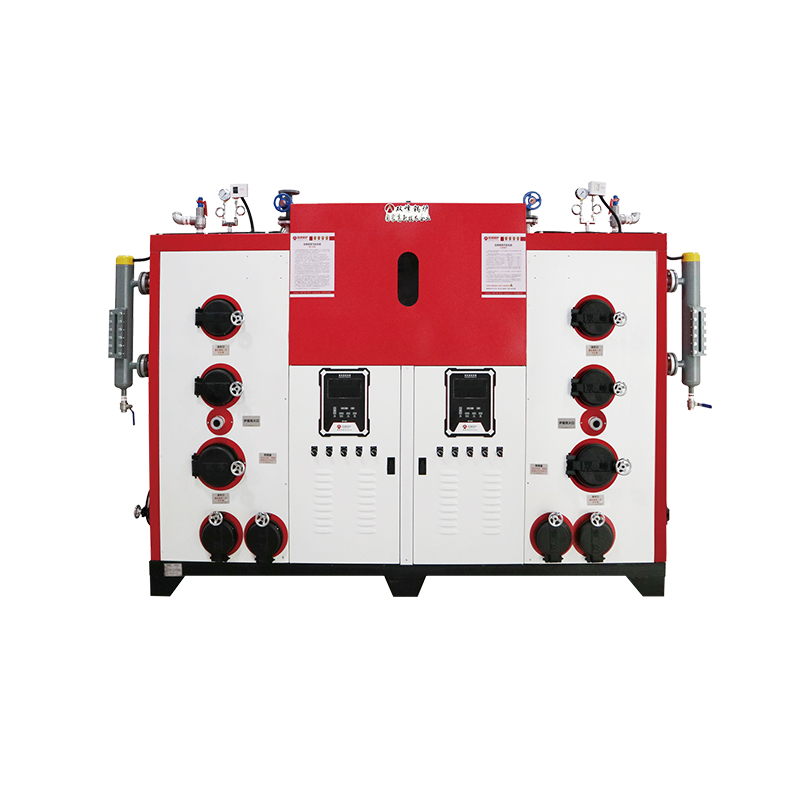
Product Introduction and FeatureThe SFeng LHG-s series biomass coal fired steam generator is a semi-...
See Details
Product Introduction and FeatureThe SFeng DZG Series solid fuel biomass/coal fired steam boiler has ...
See Details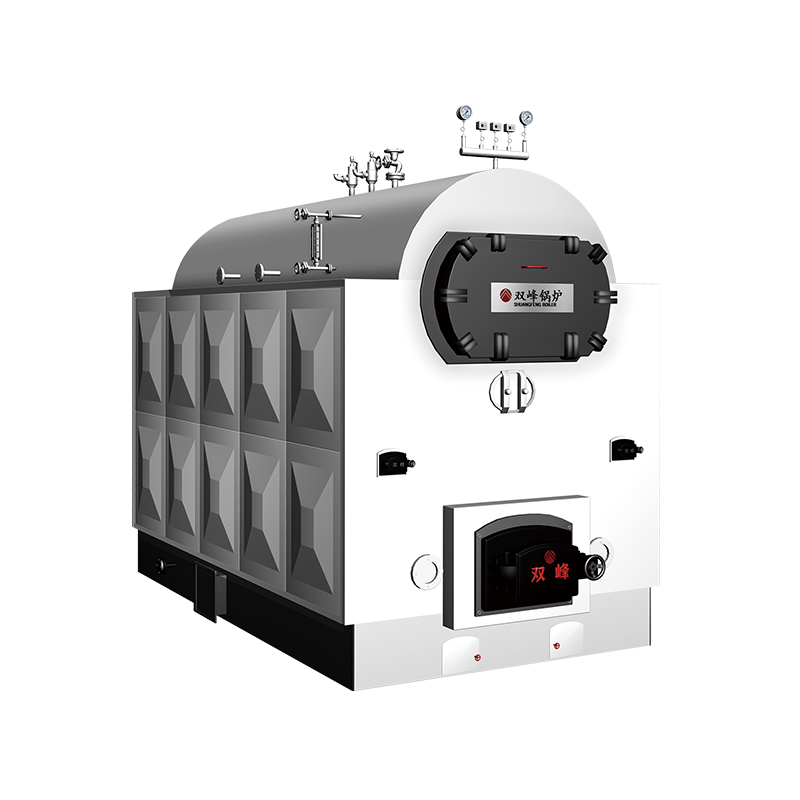
Product Introduction and FeatureDZG structure coal-fired steam boiler features a compact and single-...
See Details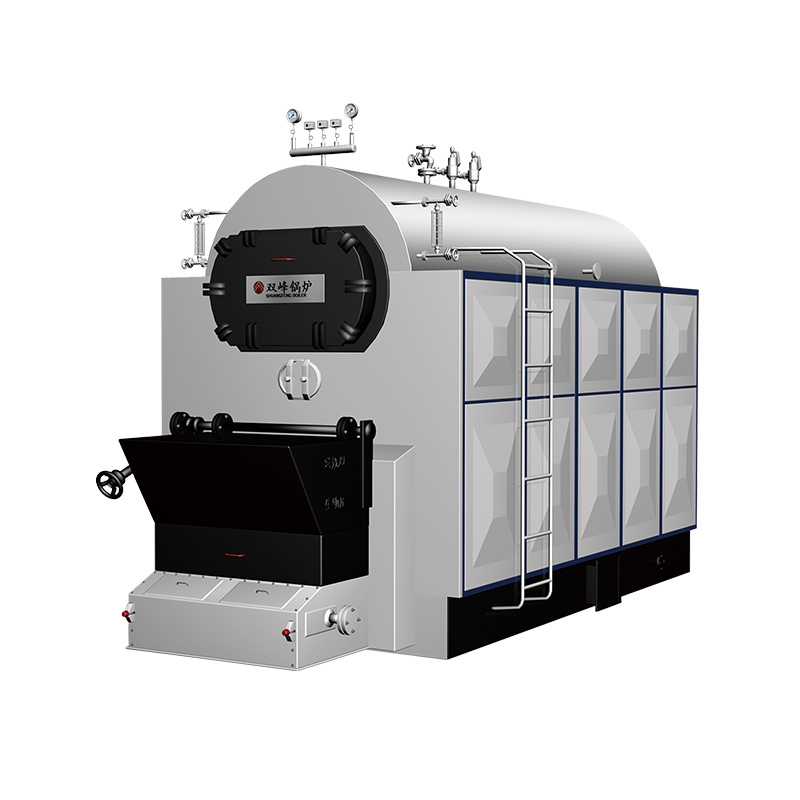
Product Introduction and FeatureThe DZL-S energy-saving and environmentally friendly steam boiler is...
See Details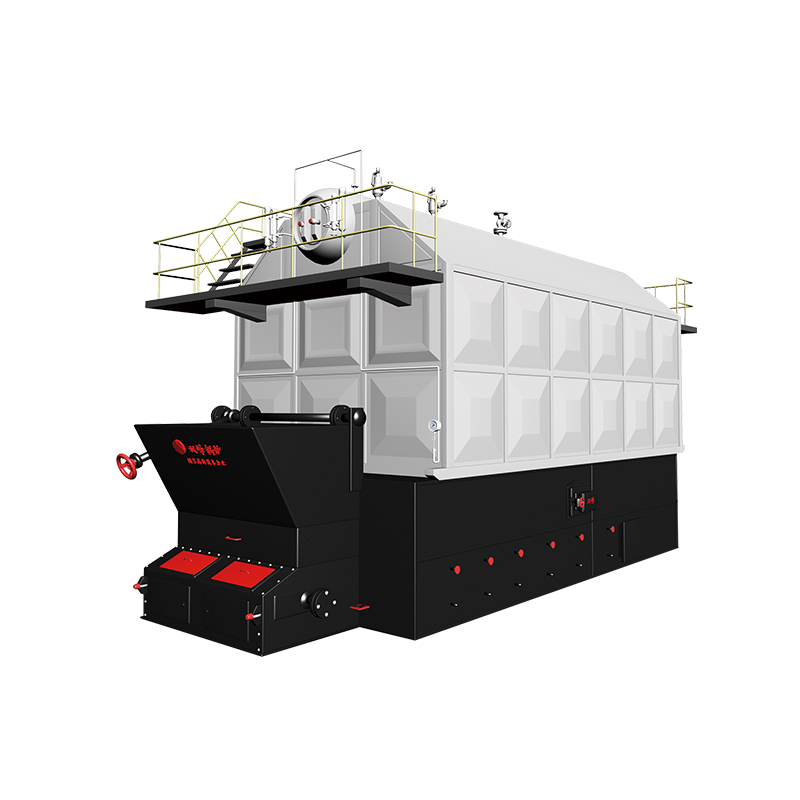
Product Introduction and FeatureSZI-S type energy-saving and environmentally friendly steam boiler i...
See Details
+86-17757929999

.png)
No. 150 Zhenxing Road, Jinhua, Zhejiang, China

With seven decades of expertise in energy-efficient and eco-friendly thermal equipment including steam boilers, steam generators, and pressure vessels, we operate as a nationally recognized high-tech enterprise offering integrated solutions from R&D and design to manufacturing, installation, maintenance, retrofitting, and after-sales service.
Copyright Zhejiang Shuangfeng Boiler Manufacturing Co., Ltd. All Rights Reserved.

Wuyi Generator Factory