
 ไทย
ไทย
+86-17757929999

Product Search
Energy efficiency and operational cost are two of the most critical considerations for industrial heating systems today. Oil Thermal Fluid Heater and Gas Thermal Fluid Heater solutions dominate the market, offering different advantages depending on fuel availability, application scale, and maintenance requirements.
Oil Thermal Fluid Heater systems typically operate at higher combustion temperatures, which allows them to heat thermal fluids quickly and maintain precise temperature control. Modern models achieve thermal efficiencies ranging from 88% to 94%, depending on burner design and insulation quality.
Gas Thermal Fluid Heater units, on the other hand, often provide lower initial fuel costs due to the widespread availability of natural gas and cleaner combustion. Advanced models reach efficiencies up to 92% and benefit from more consistent fuel pricing in many regions.
Energy consumption analysis demonstrates that while oil-based heaters can deliver faster heat-up times, gas systems often save more in terms of per-unit fuel cost over prolonged operation, particularly in continuous industrial processes.
Oil Thermal Fluid Heater systems require more frequent maintenance due to soot accumulation, residue, and occasional oil viscosity changes. Proper monitoring of combustion parameters is essential to prevent carbon buildup and maintain efficiency.
Gas Thermal Fluid Heater units produce minimal residue, translating into lower downtime and reduced labor costs. However, they require reliable gas supply infrastructure and periodic inspection of gas valves, burners, and safety interlocks to prevent leaks or combustion inefficiencies.
Environmental regulations increasingly influence heater selection. Oil Thermal Fluid Heater systems emit higher levels of CO₂, NOx, and particulate matter unless equipped with advanced flue gas treatment or low-NOx burners.
Gas Thermal Fluid Heater units typically produce fewer pollutants, which makes them more favorable in regions with stringent emission limits. For plants aiming to reduce carbon footprint and improve workplace air quality, gas systems offer a clear advantage.
Oil Thermal Fluid Heater units excel in applications requiring very high fluid temperatures, often reaching 350°C–400°C with minimal thermal degradation. The stable high-temperature capability makes them suitable for heavy industrial processes such as asphalt heating, chemical processing, and large-scale drying systems.
Gas Thermal Fluid Heater units generally operate efficiently up to 320°C–350°C, which covers the majority of process heating applications. Advanced models include multi-pass combustion chambers and high-quality heat exchangers to maximize heat transfer and minimize fluid overheating.
Switching between fuel types is another consideration. Oil Thermal Fluid Heater units are highly flexible with fuel grades, accommodating heavy, medium, and light oils. Gas Thermal Fluid Heater systems rely solely on natural gas or biogas, which limits fuel flexibility but ensures cleaner and more consistent combustion.
Digital control systems integrated with both types of heaters allow precise temperature regulation, flow rate control, and safety interlocks. Our company’s units feature programmable controllers and remote monitoring, helping plant operators optimize energy use and reduce waste.
Total cost evaluation extends beyond initial purchase price. Oil Thermal Fluid Heater systems usually have higher upfront costs and maintenance expenses, but in areas with low-cost oil, they may still provide competitive operational economics.
Gas Thermal Fluid Heater units have lower maintenance and emission compliance costs, and in many regions, the stable price of natural gas ensures predictable long-term operating expenses. Energy audits often indicate a 5–15% savings in fuel costs for gas systems compared with oil systems over multi-year operation, depending on application type and operating hours.
| Feature | Oil Thermal Fluid Heater | Gas Thermal Fluid Heater |
| Thermal Efficiency | 88–94% | 90–92% |
| Maintenance | Higher | Lower |
| Emissions | Higher | Lower |
| Max Operating Temp | 350–400°C | 320–350°C |
| Fuel Flexibility | High | Limited |
| Total Cost | Depends on oil price | Depends on gas price, generally lower long-term |
Comprehensive system design, modern burner technology, and digital controls play a crucial role in maximizing efficiency, regardless of fuel type. For detailed consultation and customized thermal fluid heating solutions, visit our products.
Operational efficiency, fuel cost management, and environmental compliance all converge when selecting the right thermal fluid heater, making informed decisions essential for long-term savings.
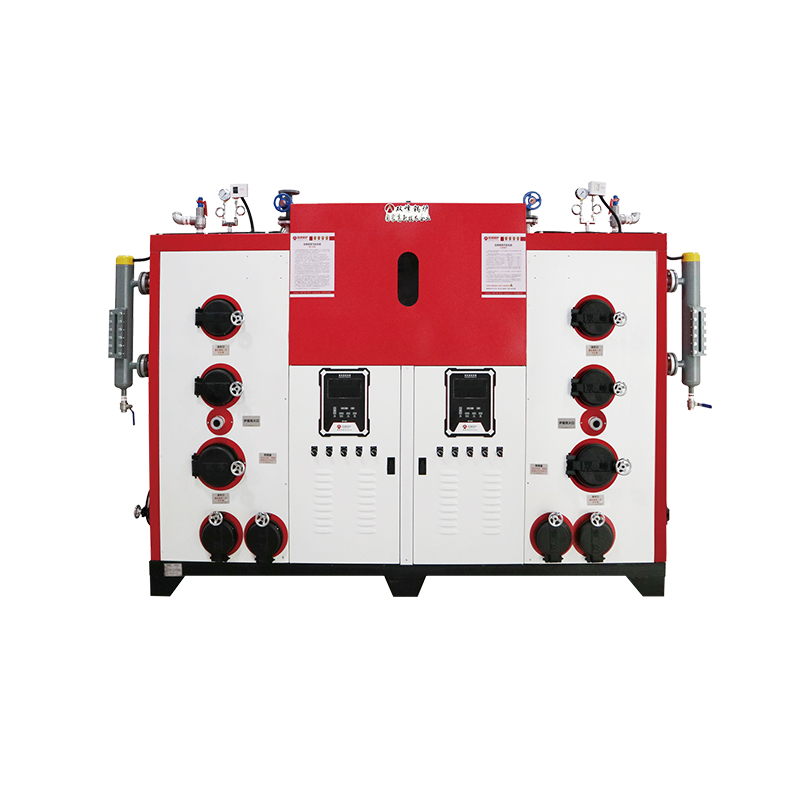
Product Introduction and FeatureThe SFeng LHG-s series biomass coal fired steam generator is a semi-...
See Details
Product Introduction and FeatureThe SFeng DZG Series solid fuel biomass/coal fired steam boiler has ...
See Details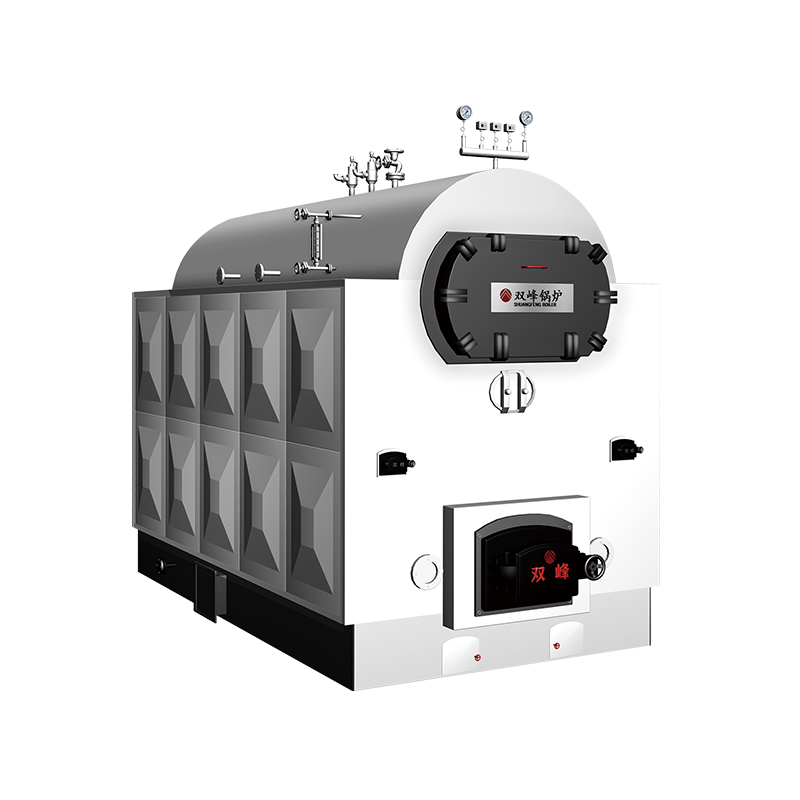
Product Introduction and FeatureDZG structure coal-fired steam boiler features a compact and single-...
See Details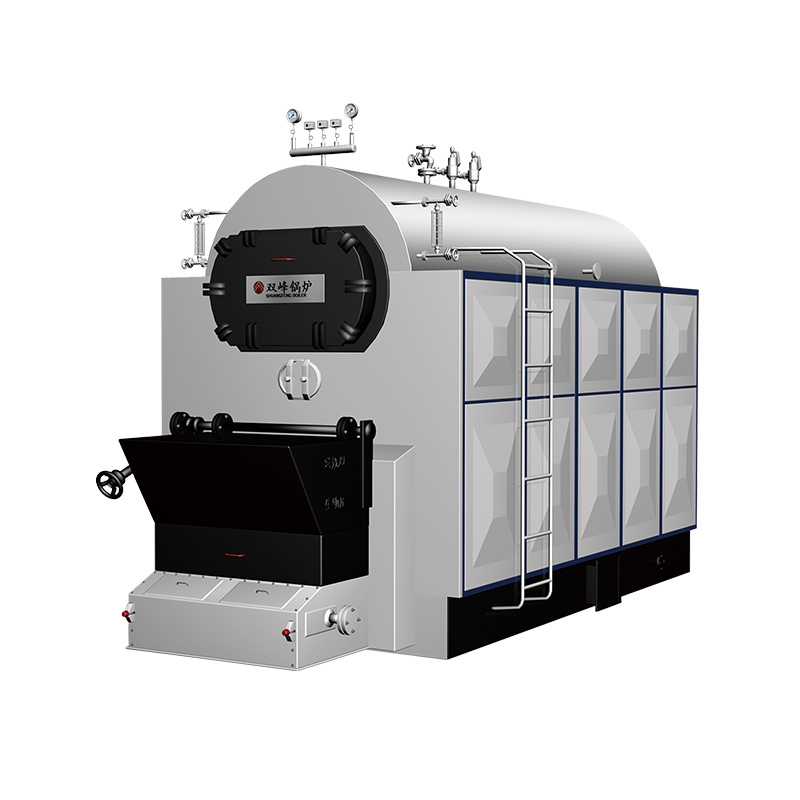
Product Introduction and FeatureThe DZL-S energy-saving and environmentally friendly steam boiler is...
See Details
Product Introduction and FeatureSZI-S type energy-saving and environmentally friendly steam boiler i...
See Details
+86-17757929999

.png)
No. 150 Zhenxing Road, Jinhua, Zhejiang, China

With seven decades of expertise in energy-efficient and eco-friendly thermal equipment including steam boilers, steam generators, and pressure vessels, we operate as a nationally recognized high-tech enterprise offering integrated solutions from R&D and design to manufacturing, installation, maintenance, retrofitting, and after-sales service.
Copyright Zhejiang Shuangfeng Boiler Manufacturing Co., Ltd. All Rights Reserved.

Wuyi Generator Factory