
 ไทย
ไทย
+86-17757929999

Product Search
The Gas/Oil Steam Generator refers to steam generation systems that use gaseous fuels such as natural gas or liquid fuels, including diesel and heavy fuel oil, to heat water into steam for industrial and process applications. These generators are widely used in facilities where steam is needed for heating, sterilization, material processing, and other process-related applications. By converting fuel energy into controlled steam output, these generators provide a flexible solution for operations that require a continuous and reliable heat supply.
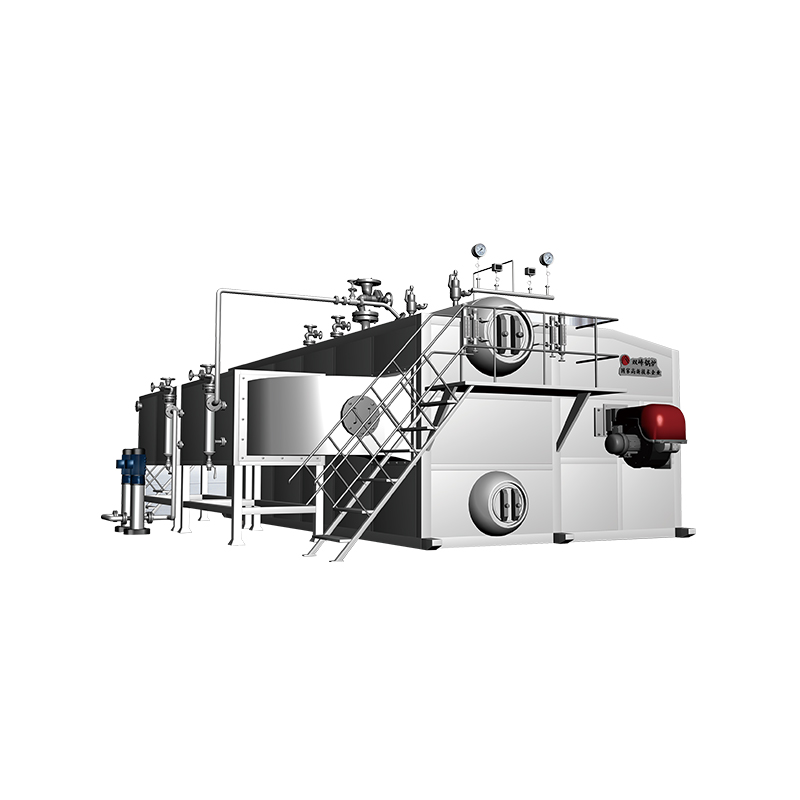
Steam generators operating on gas or oil fuels are available in a range of sizes and configurations. Small-scale units can deliver hundreds of kilograms of steam per hour at moderate pressures, while larger industrial systems are designed for continuous operation, providing steam across multiple production areas simultaneously. Adjustable fuel and combustion air systems allow operators to maintain consistent temperature and pressure, even when load requirements fluctuate. This adaptability makes gas/oil steam generators suitable for diverse industrial heat applications.
In industries such as food and beverage processing, textile manufacturing, chemical production, and material treatment, steam is used for multiple purposes, including sterilization, cleaning, material conditioning, and heat treatment. The generator’s combustion chamber and heat exchanger surfaces are designed to transfer thermal energy from the fuel efficiently into water or feedwater. Some systems incorporate economizers or heat recovery units that capture residual heat from flue gases to preheat feedwater, enhancing energy efficiency and stabilizing steam output.
Safety and control are integral components of gas/oil steam generator operation. Automatic systems regulate fuel flow, air supply, and pressure limits, while monitoring equipment tracks flame stability, feedwater input, steam pressure, and temperature distribution. Modular designs allow multiple generators to operate in parallel, ensuring a continuous steam supply during maintenance or periods of variable demand. Routine inspections of burners, heat exchangers, and control systems support reliable operation and maintain operational safety.
Operators can also coordinate steam generation with production schedules, aligning generator output with process needs to reduce energy variability. Some facilities integrate monitoring tools that log fuel consumption, temperature trends, and operational parameters, helping to optimize both performance and maintenance planning. These features make gas/oil steam generators versatile tools for industrial facilities requiring steady, controllable, and adaptable thermal energy.
Frequently Asked Questions (FAQ)
Q: What fuels are used in gas/oil steam generators?
A: They use natural gas or liquid fuels such as diesel and heavy fuel oil.
Q: Where are they applied?
A: Food processing, textiles, chemicals, and industrial heat systems.
Q: How is steam pressure managed?
A: Control systems adjust fuel and combustion air to maintain set pressure levels.
Q: Can heat be recovered?
A: Yes; components like economizers can use flue gas heat for feedwater warming.
Q: Are safety systems part of these generators?
A: Yes; interlocks and pressure safeties help maintain stable operation.
The Gas/Oil Steam Generator continues to provide industrial systems with adaptable fuel use, stable steam output, and operational flexibility for a variety of production requirements. Its design allows integration into multiple process lines, supports modular operation for maintenance or peak demand, and ensures consistent thermal energy delivery across diverse industrial applications.
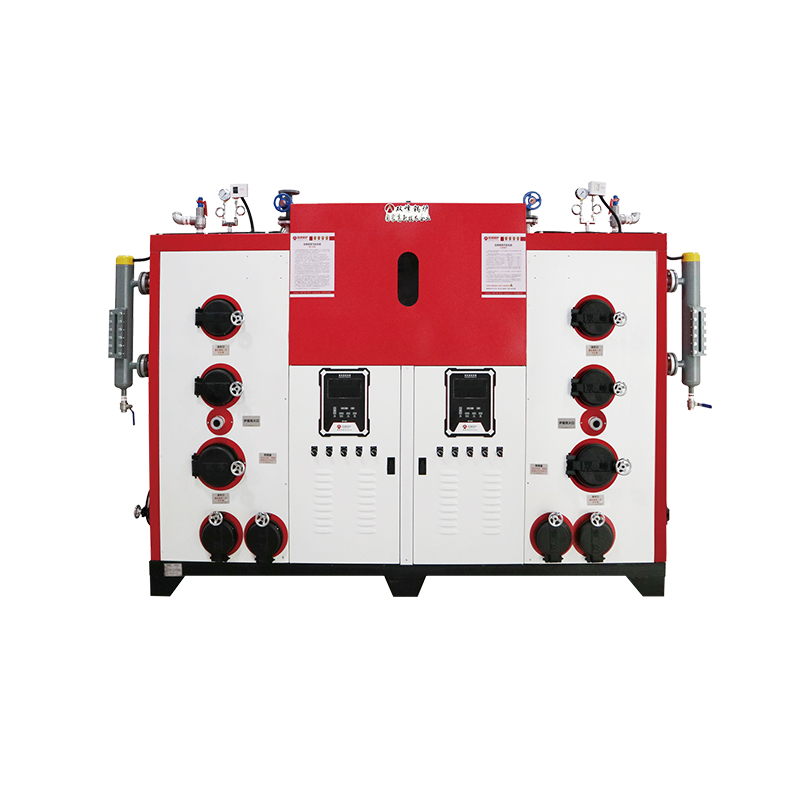
Product Introduction and FeatureThe SFeng LHG-s series biomass coal fired steam generator is a semi-...
See Details
Product Introduction and FeatureThe SFeng DZG Series solid fuel biomass/coal fired steam boiler has ...
See Details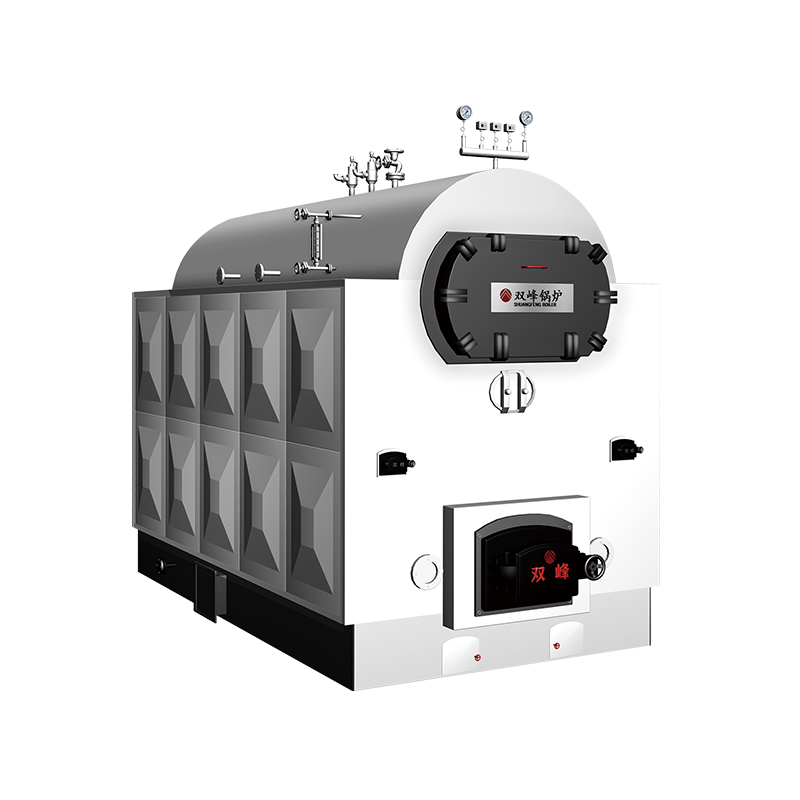
Product Introduction and FeatureDZG structure coal-fired steam boiler features a compact and single-...
See Details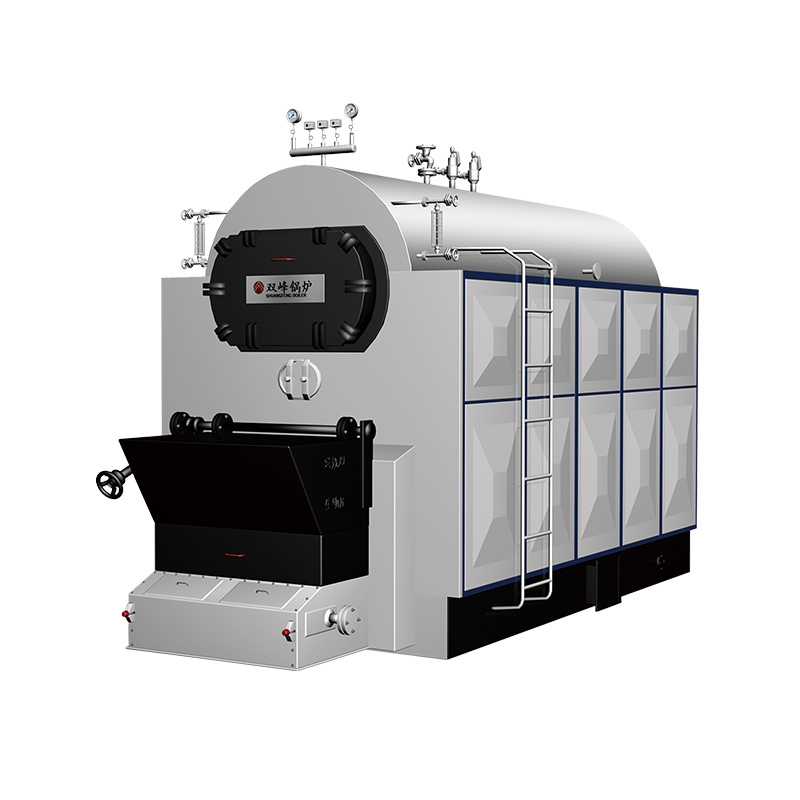
Product Introduction and FeatureThe DZL-S energy-saving and environmentally friendly steam boiler is...
See Details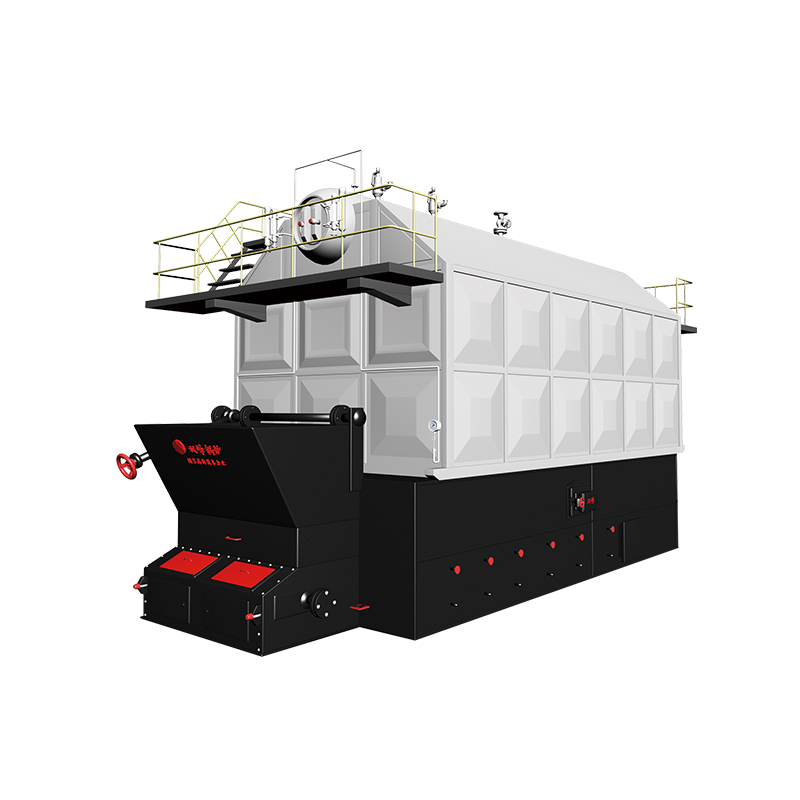
Product Introduction and FeatureSZI-S type energy-saving and environmentally friendly steam boiler i...
See Details
+86-17757929999

.png)
No. 150 Zhenxing Road, Jinhua, Zhejiang, China

With seven decades of expertise in energy-efficient and eco-friendly thermal equipment including steam boilers, steam generators, and pressure vessels, we operate as a nationally recognized high-tech enterprise offering integrated solutions from R&D and design to manufacturing, installation, maintenance, retrofitting, and after-sales service.
Copyright Zhejiang Shuangfeng Boiler Manufacturing Co., Ltd. All Rights Reserved.

Wuyi Generator Factory