
 ไทย
ไทย
+86-17757929999

Product Search
The Electric Hot Boiler Heater provides steam and hot water in environments where combustion processes are limited or not feasible. These electric boiler systems use electrical energy to heat water and generate steam, eliminating the need for fuel combustion and associated emission controls. They offer a practical solution for facilities that require steady thermal output without introducing smoke, soot, or other byproducts. In addition to generating steam for processing, these systems can supply hot water for facility operations or indirect heating circuits, allowing integration into multiple areas of a plant or commercial building.
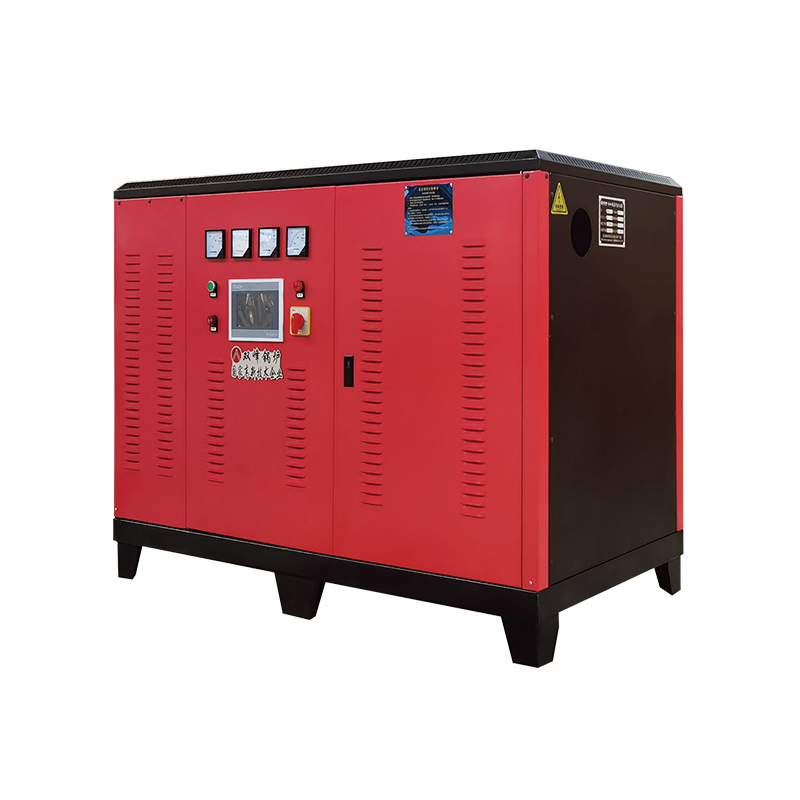
Electric boilers can be designed to meet a range of steam production and hot water needs. Typical capacities span from smaller units producing steam for direct process heating to larger industrial-scale units capable of delivering regulated steam for multiple applications simultaneously. They are applied across industries, including food processing, textile manufacturing, chemical laboratories, commercial facilities, and building services, where stable temperature and controlled steam availability are necessary. In many cases, electric boilers are connected to existing piping networks, providing consistent heat without requiring significant modifications to infrastructure.
One key feature of electric boiler operation involves automatic control systems that regulate water feed, heating element engagement, and steam pressure. Without burners or fuel handling, maintenance routines are simplified. Operators focus on inspecting electrical elements, verifying water quality, checking pressure sensors, and calibrating control settings. Some systems include monitoring capabilities that track temperature, flow rate, and power consumption, allowing facilities to adjust operation for specific process requirements.
Electric boiler systems can also be integrated with energy management and scheduling tools, enabling steam production to align with operational or electricity availability periods. Modularity allows multiple units to work in parallel, ensuring continuous steam output even when maintenance is performed on one unit. These systems support applications requiring precise heat management, such as sterilization in pharmaceutical or laboratory environments, material treatment in manufacturing lines, or surface heating in food processing.
Hot water applications include sanitation, building heating, and auxiliary process support. The closed-loop operation and controlled heating reduce the risk of pressure fluctuations, while distributed installations allow heat to reach multiple process points simultaneously. Facilities also report that electric boilers provide operational predictability, making it easier to plan production schedules, manage energy consumption, and coordinate maintenance intervals without interruptions.
Frequently Asked Questions
Q: How does an electric hot boiler heater work?
A: It uses electrical resistance or heating elements to heat water and produce steam.
Q: What types of facilities use them?
A: Food processing, textile, laboratory, and commercial facilities.
Q: Are emissions produced onsite?
A: Electric boilers generate minimal onsite emissions since combustion is not involved.
Q: How is steam pressure controlled?
A: Automated controls modulate power input and monitor steam pressure.
Q: Do electric boilers require fuel storage?
A: No; they operate on electrical supply alone.
Q: Can multiple units work together?
A: Yes; units can be arranged in parallel for continuous steam supply.
Q: What maintenance is needed?
A: Periodic inspection of electrical components, water quality checks, and system calibration.
Q: Can electric boilers be integrated into energy management systems?
A: Yes; they can be scheduled to operate during specific times to align with production and electricity use.
The Electric Hot Boiler Heater offers a combustion‑free option for steam and hot water needs in industrial and commercial settings.
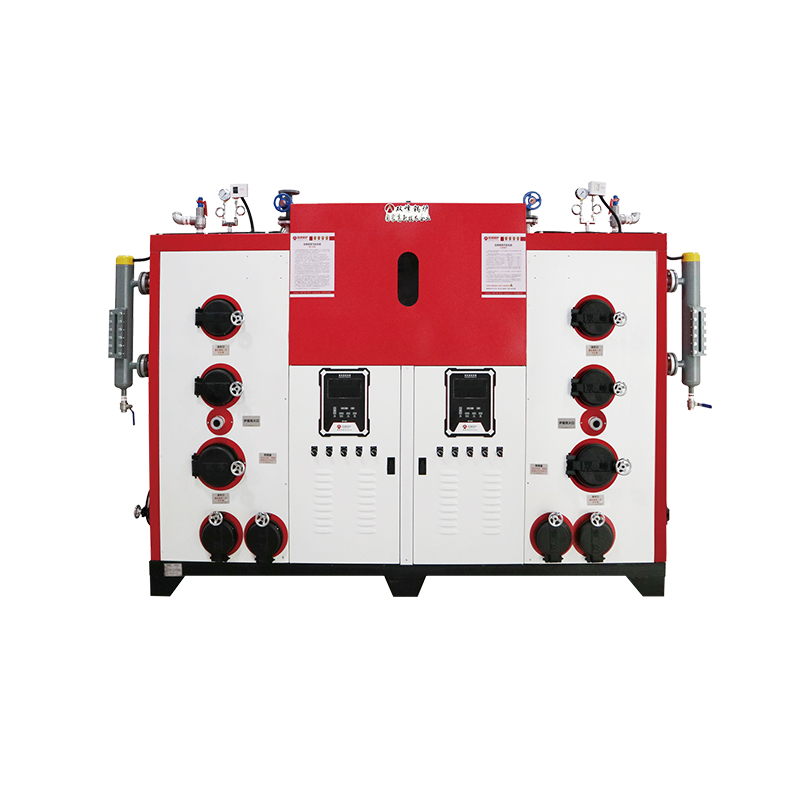
Product Introduction and FeatureThe SFeng LHG-s series biomass coal fired steam generator is a semi-...
See Details
Product Introduction and FeatureThe SFeng DZG Series solid fuel biomass/coal fired steam boiler has ...
See Details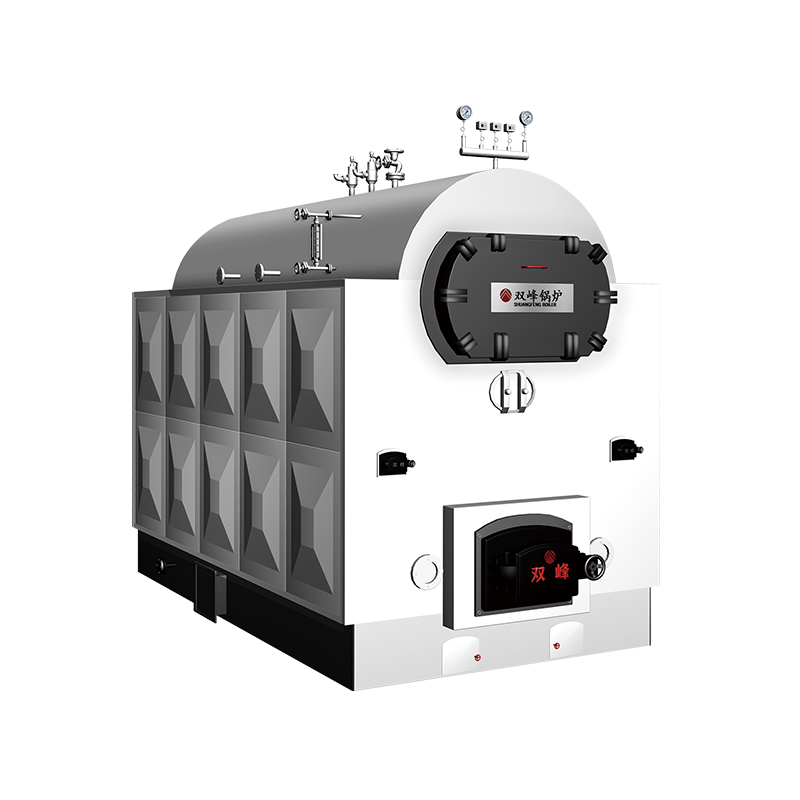
Product Introduction and FeatureDZG structure coal-fired steam boiler features a compact and single-...
See Details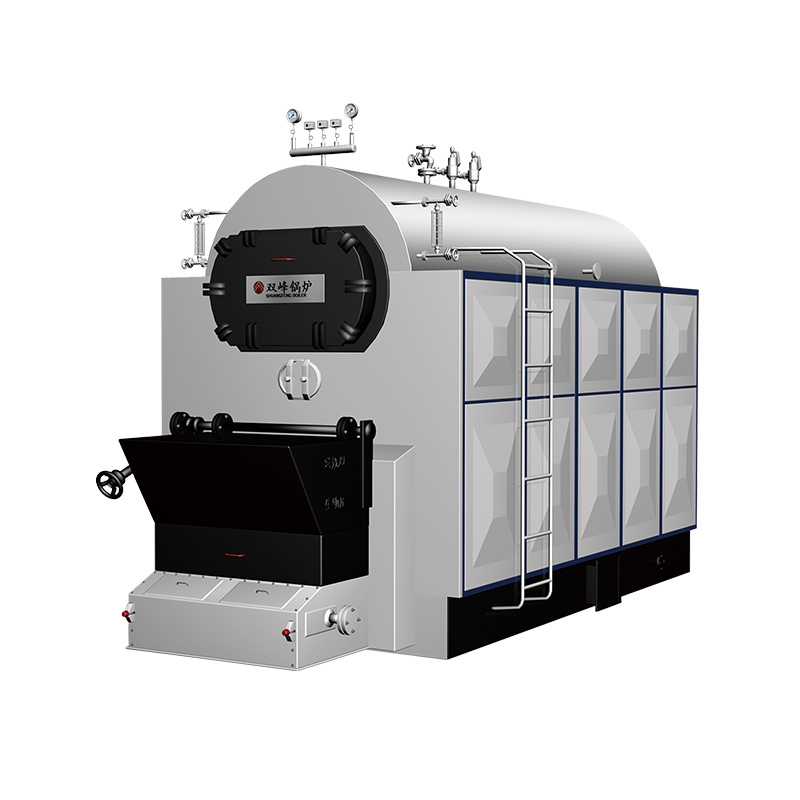
Product Introduction and FeatureThe DZL-S energy-saving and environmentally friendly steam boiler is...
See Details
Product Introduction and FeatureSZI-S type energy-saving and environmentally friendly steam boiler i...
See Details
+86-17757929999

.png)
No. 150 Zhenxing Road, Jinhua, Zhejiang, China

With seven decades of expertise in energy-efficient and eco-friendly thermal equipment including steam boilers, steam generators, and pressure vessels, we operate as a nationally recognized high-tech enterprise offering integrated solutions from R&D and design to manufacturing, installation, maintenance, retrofitting, and after-sales service.
Copyright Zhejiang Shuangfeng Boiler Manufacturing Co., Ltd. All Rights Reserved.

Wuyi Generator Factory