
 ไทย
ไทย
+86-17757929999

Product Search
The Biomass Thermal Fluid Heater is increasingly recognized as a practical and renewable solution for industrial heating needs. By burning biomass fuels such as wood chips, agricultural residues, or pellets, these heaters circulate thermal oil through a closed loop, delivering stable, high-temperature heat while avoiding the pressure, corrosion, and water-treatment challenges of conventional boilers. Industries including wood processing, textiles, food production, and manufacturing are adopting these systems for their energy efficiency, fuel flexibility, and environmental benefits.
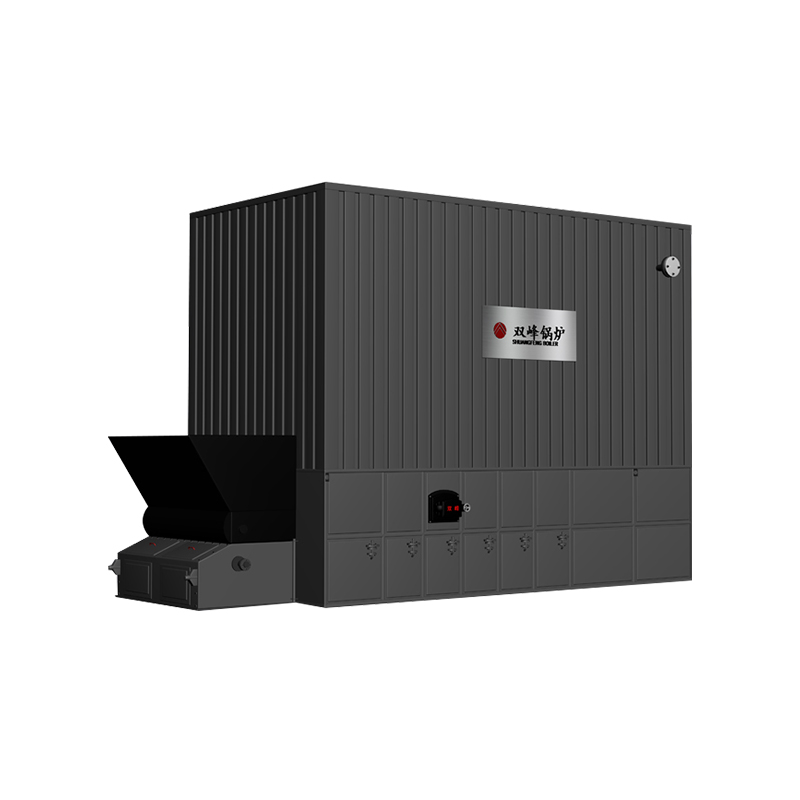
Key advantages of biomass thermal fluid heaters include:
Applications span a broad range of industries:
From an economic and operational perspective, biomass thermal fluid heaters provide several benefits:
Modern biomass thermal fluid systems incorporate features to enhance efficiency and reliability:
Industrial operators often consider biomass thermal fluid heaters when:
In conclusion, the Biomass Thermal Fluid Heater provides a flexible, efficient, and environmentally conscious industrial heating solution. Its renewable-fuel adaptability, stable high-temperature operation, reduced maintenance requirements, and combined cost and emissions advantages make it suitable for a wide array of industries seeking reliable and sustainable thermal energy systems.
In addition to operational efficiency, these heaters support process optimization by delivering uniform heat that improves product consistency and quality. Facilities can integrate them into both small-scale and large-scale operations, benefiting from modular designs and customizable configurations. With proper installation and regular monitoring, the systems ensure long-term performance, safety, and energy savings while contributing to lower environmental impact through the use of renewable biomass fuels.
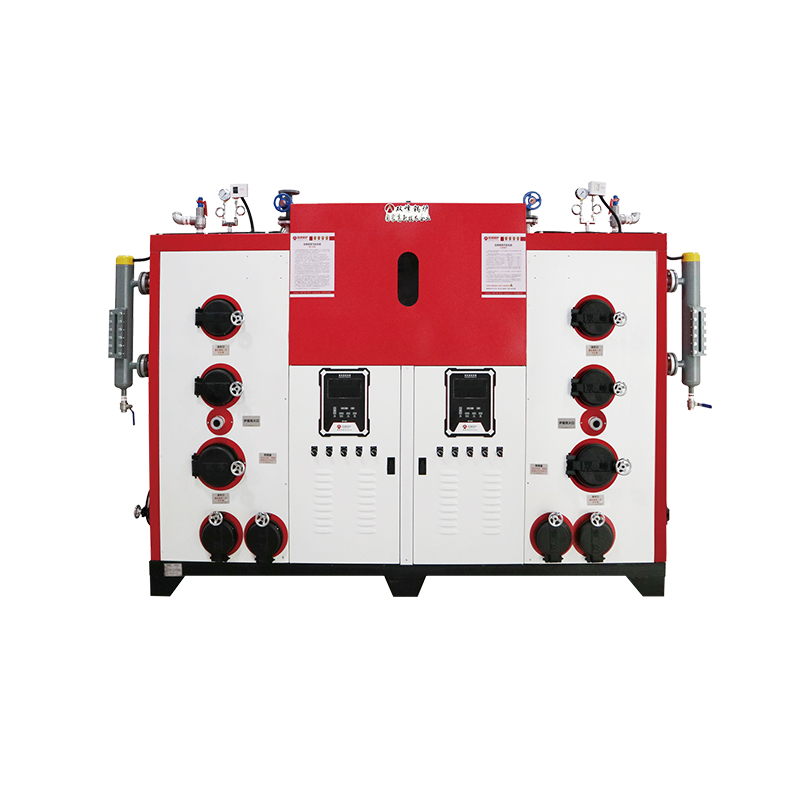
Product Introduction and FeatureThe SFeng LHG-s series biomass coal fired steam generator is a semi-...
See Details
Product Introduction and FeatureThe SFeng DZG Series solid fuel biomass/coal fired steam boiler has ...
See Details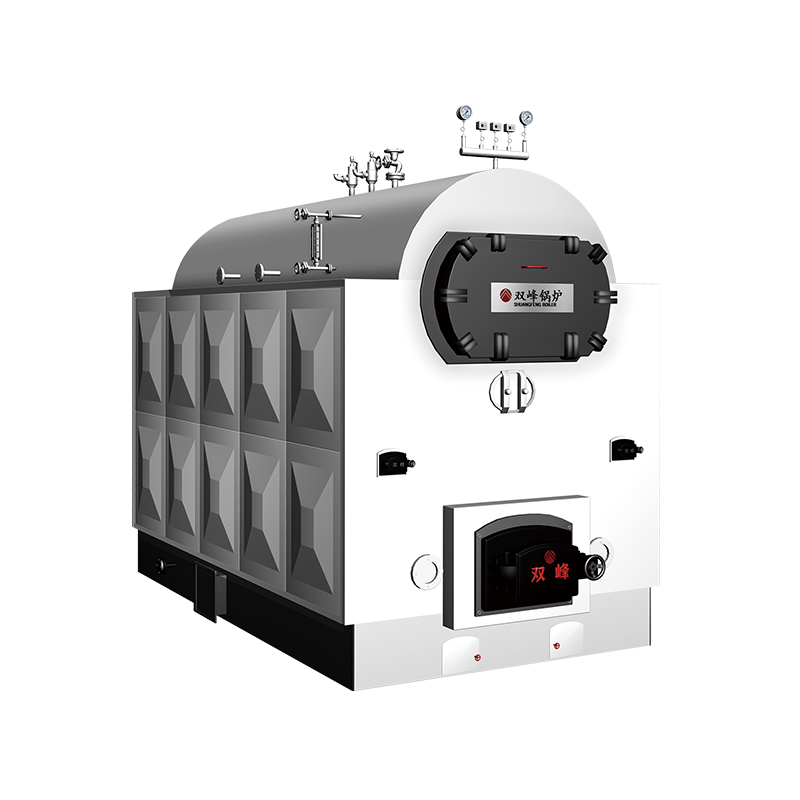
Product Introduction and FeatureDZG structure coal-fired steam boiler features a compact and single-...
See Details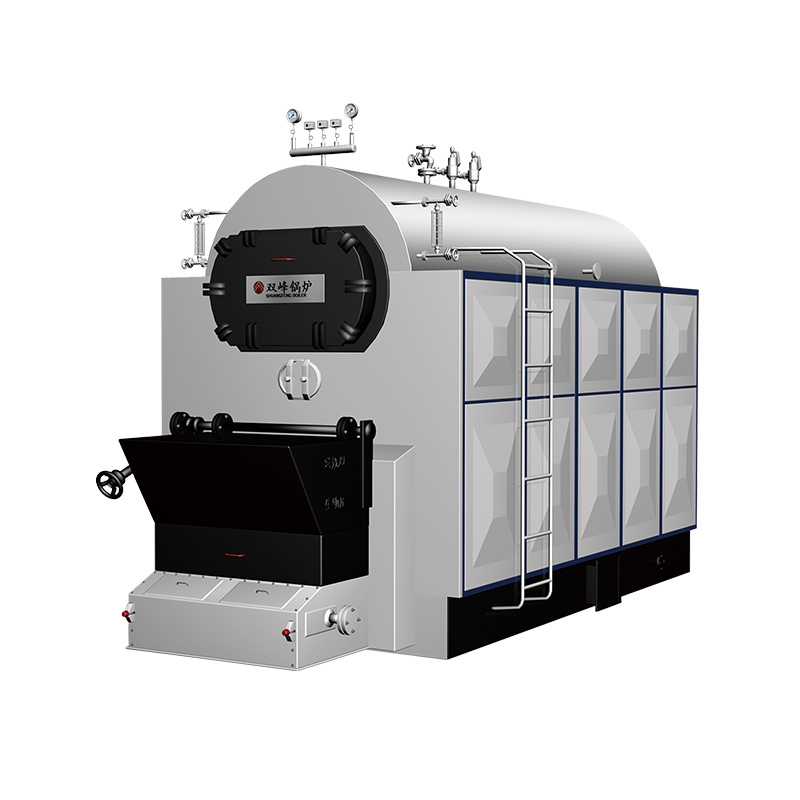
Product Introduction and FeatureThe DZL-S energy-saving and environmentally friendly steam boiler is...
See Details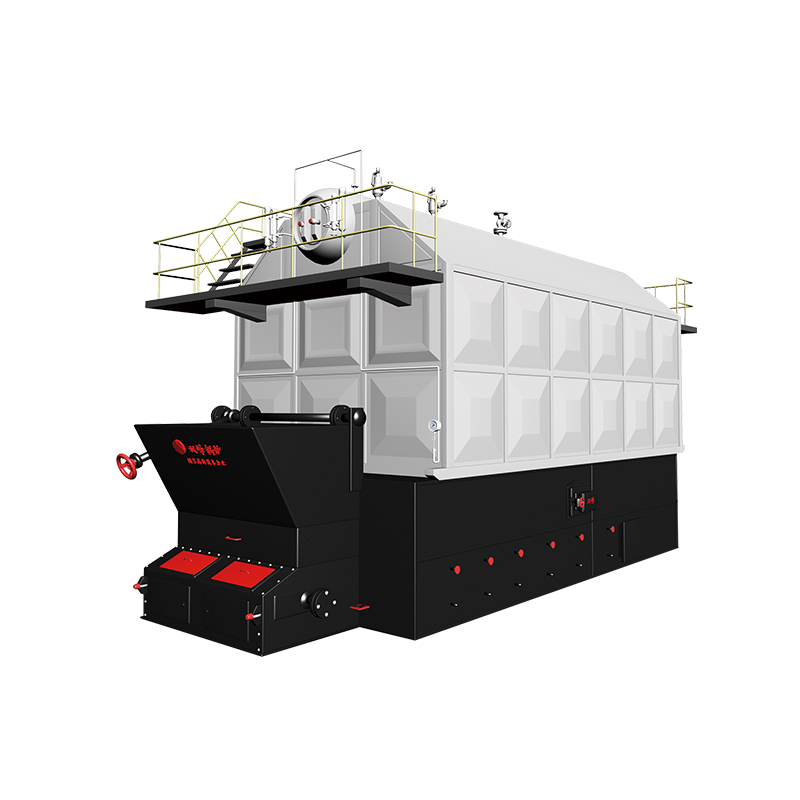
Product Introduction and FeatureSZI-S type energy-saving and environmentally friendly steam boiler i...
See Details
+86-17757929999

.png)
No. 150 Zhenxing Road, Jinhua, Zhejiang, China

With seven decades of expertise in energy-efficient and eco-friendly thermal equipment including steam boilers, steam generators, and pressure vessels, we operate as a nationally recognized high-tech enterprise offering integrated solutions from R&D and design to manufacturing, installation, maintenance, retrofitting, and after-sales service.
Copyright Zhejiang Shuangfeng Boiler Manufacturing Co., Ltd. All Rights Reserved.

Wuyi Generator Factory