
 ไทย
ไทย
+86-17757929999

Product Search
A fluctuating pressure gauge on a Gas/Oil Steam Boiler can raise alarms even for experienced operators. Pressure swings may seem minor at primary, but persistent instability can affect system performance, safety, and energy efficiency. Likewise, a Gas/Oil Hot Boiler Heater may display sudden pressure drops or spikes, which often indicate underlying issues that deserve attention before they escalate into serious problems.
Zhejiang Shuangfeng Boiler Manufacturing Co., Ltd. often encounters clients asking how to handle pressure fluctuations. Understanding potential causes and systematic checks helps owners maintain reliable boiler operation.
1. Why Pressure Fluctuations Occur
Pressure variations in steam or hot water systems typically arise from one or more of the following factors:
Expansion Tank or Vessel Issues
An expansion tank absorbs pressure changes in a closed-loop system. If the tank is:
Undercharged or overcharged
Leaking or corroded
…the boiler may experience rapid pressure spikes or drops. Users often notice that the gauge rises unusually fast during startup and then falls during operation.
Water Level Instability
Low or inconsistent water levels in the boiler drum or heater can cause pressure swings. Steam boilers in particular require precise water levels; too low triggers safety cutoffs, while too high creates condensation, causing uneven pressure readings.
Air Trapped in the System
Air pockets disrupt water circulation and heat transfer. When hot water or steam collides with trapped air, temporary high-pressure zones may form, followed by sudden drops. Bleeding radiators or installing air vents can often reduce this effect.
2. Mechanical and Component-Related Causes
Certain hardware issues are commonly linked to pressure instability:
Faulty Pressure Relief Valve: If the relief valve sticks, pressure may spike dangerously.
Pump Malfunction: Circulation pumps that slow down or fail intermittently can create short-term pressure dips.
Corrosion or Blockage in Piping: Restricted flow leads to uneven pressure distribution across the system.
These causes may be subtle, appearing only under specific operating conditions, and often require careful inspection by a qualified technician.
3. Monitoring and Adjusting System Settings
Accurate monitoring helps detect trends before failures occur:
Gauge Accuracy: Ensure pressure gauges are calibrated.
Set Correct Operating Pressure: Each boiler type has manufacturer-recommended pressure ranges.
Check Expansion Tank Pre-Charge: Verify proper air or nitrogen levels if applicable.
Routine Water Treatment: Scaling or sediment can restrict flow, causing sudden pressure changes.
Even simple adjustments can reduce pressure swings significantly.
4. User Experiences and Observations
Forums and social media highlight common concerns:
Users report gauges that spike during cold starts, then fluctuate under steady operation.
Some notice that pressure rises quickly when multiple zones or radiators are activated simultaneously.
DIY checks often reveal trapped air or low expansion tank pressure as the root cause.
These observations align with the technical causes above, emphasizing the importance of both monitoring and preventive maintenance.
Maintaining Stable Pressure
Pressure swings in a Gas/Oil Steam Boiler or fluctuations in a Gas/Oil Hot Boiler Heater are more than a nuisance; they signal potential system inefficiencies or safety risks. By addressing expansion tanks, water levels, air entrapment, and equipment integrity, owners can stabilize operations and extend system life. Zhejiang Shuangfeng Boiler Manufacturing Co., Ltd. encourages regular inspections and adherence to maintenance schedules to minimize surprises and ensure safe, consistent heating performance.
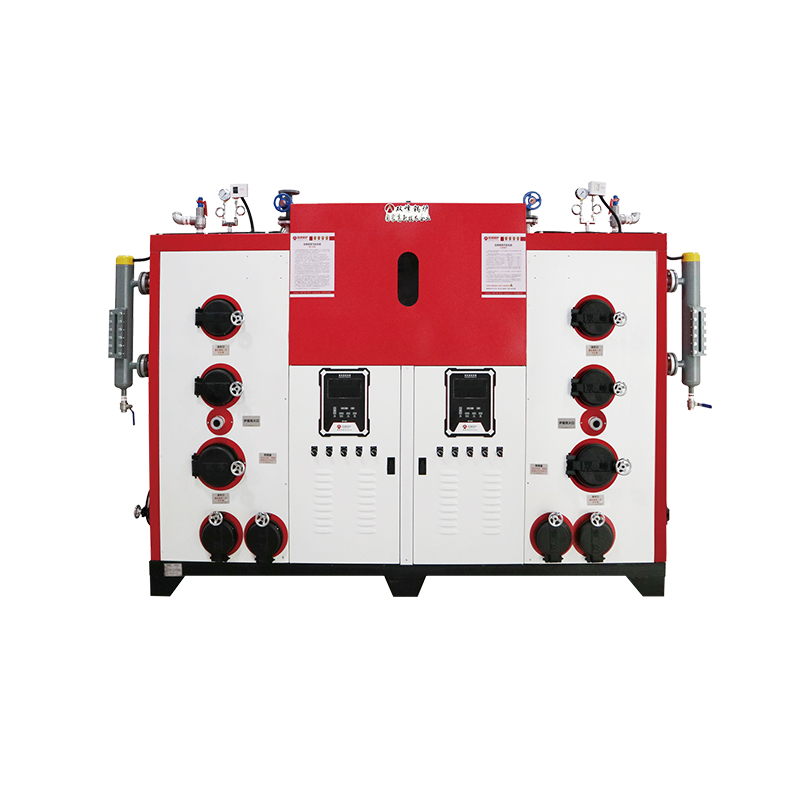
Product Introduction and FeatureThe SFeng LHG-s series biomass coal fired steam generator is a semi-...
See Details
Product Introduction and FeatureThe SFeng DZG Series solid fuel biomass/coal fired steam boiler has ...
See Details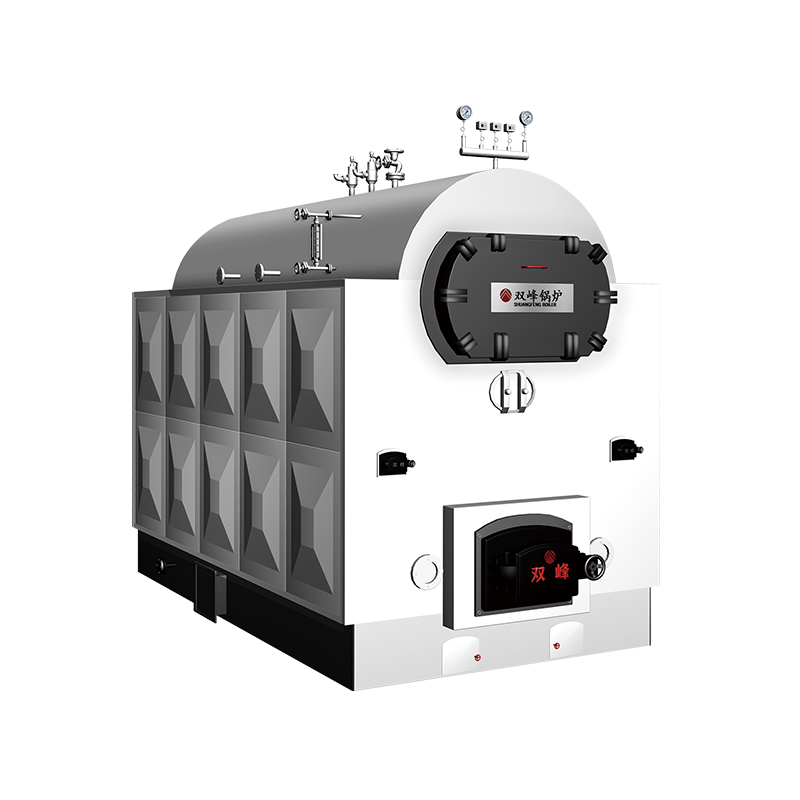
Product Introduction and FeatureDZG structure coal-fired steam boiler features a compact and single-...
See Details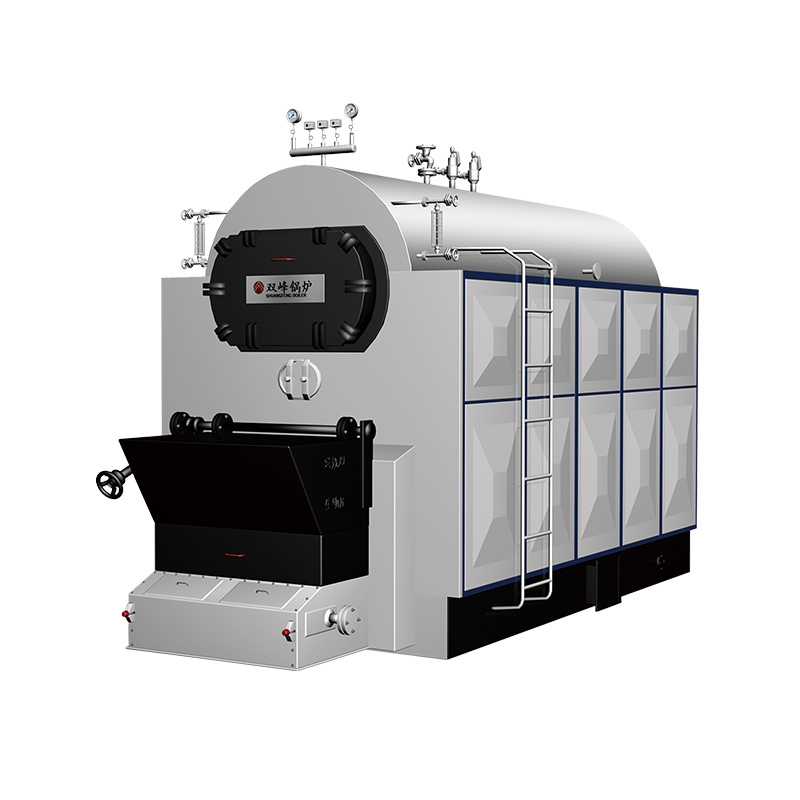
Product Introduction and FeatureThe DZL-S energy-saving and environmentally friendly steam boiler is...
See Details
Product Introduction and FeatureSZI-S type energy-saving and environmentally friendly steam boiler i...
See Details
+86-17757929999

.png)
No. 150 Zhenxing Road, Jinhua, Zhejiang, China

With seven decades of expertise in energy-efficient and eco-friendly thermal equipment including steam boilers, steam generators, and pressure vessels, we operate as a nationally recognized high-tech enterprise offering integrated solutions from R&D and design to manufacturing, installation, maintenance, retrofitting, and after-sales service.
Copyright Zhejiang Shuangfeng Boiler Manufacturing Co., Ltd. All Rights Reserved.

Wuyi Generator Factory